Rinsing rice washes away loose surface starch so the grains cook up fluffy and separate instead of gummy.
This guide walks through the process in clear illustrated steps, from the first preparation to a finished result. Each step has its own picture, so you can compare your progress as you go.
How to use this guide
Work through the steps in order. Method 1 of 2 covers the basics, and the later methods offer alternatives and finishing touches. If you only have a minute, skim the Quick steps box above and come back for the details.
Related guides
- How to Clean a mattress
- How to Improve public speaking skills
- How to Clean a bathroom thoroughly
- How to Crochet a granny square
- Browse all Food guides
- All 52runoob guides
Trusted external resources
A note on sources
We check each guide against the official resources listed in References at the end of this article. External links open in a new tab; the related guides above stay on this site.
Quick steps
- Add rice to a bowl and cover with cold water
- Swirl gently and drain the cloudy water
- Repeat until the water runs clear
- Drain well before cooking
Things you'll need
- A bowl or fine-mesh strainer
- Raw rice
- Cold water
- A saucepan with a lid
Step-by-step
Method 1 of 2: Rinse in a Bowl
Step 1: Measure the rice
Scoop the amount of rice you need into a clean bowl.

Step 2: Add cold water
Pour in enough cold water to cover the rice by about two inches.

Step 3: Swirl the grains
Stir the rice with your fingers or a spoon to loosen the surface starch.

Step 4: Watch the water turn cloudy
The water will look milky as starch releases from the grains.
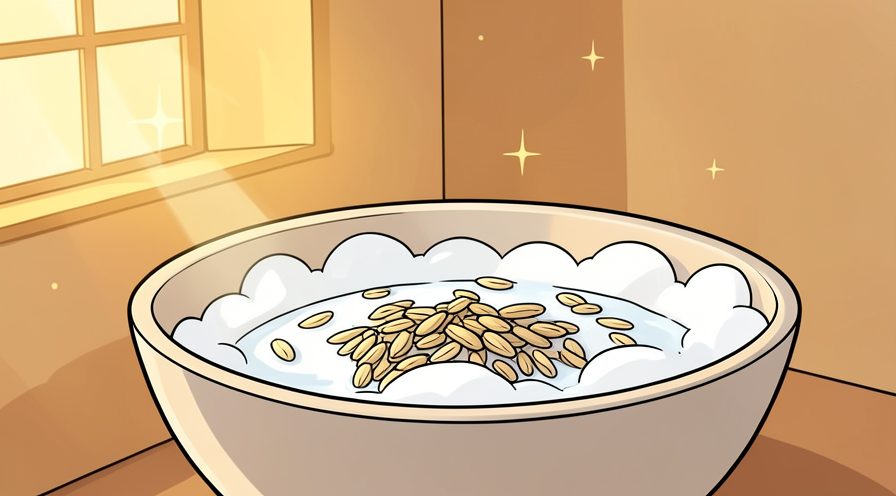
Step 5: Drain carefully
Tip the bowl to pour off the cloudy water while keeping the rice in.

Step 6: Repeat the rinse
Add fresh water and swirl again; repeat several times.

Step 7: Check the water
Stop when the runoff looks clear rather than milky.

Step 8: Drain thoroughly
Let the rice drain in a strainer before adding it to the pot.

Method 2 of 2: Rinse in a Strainer
Step 9: Choose a fine strainer
Use a fine-mesh sieve so grains cannot slip through.
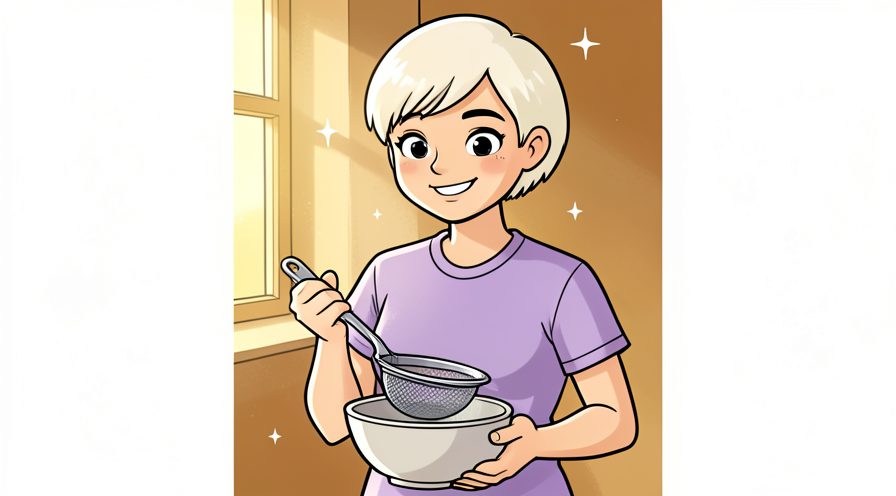
Step 10: Add the rice
Pour the measured rice into the strainer in an even layer.

Step 11: Rinse under the tap
Run cold water over the rice while gently stirring.

Step 12: Stir with your hand
Move the grains around so water reaches every kernel.

Step 13: Let the water run clear
Keep rinsing until the water dripping out is clear.
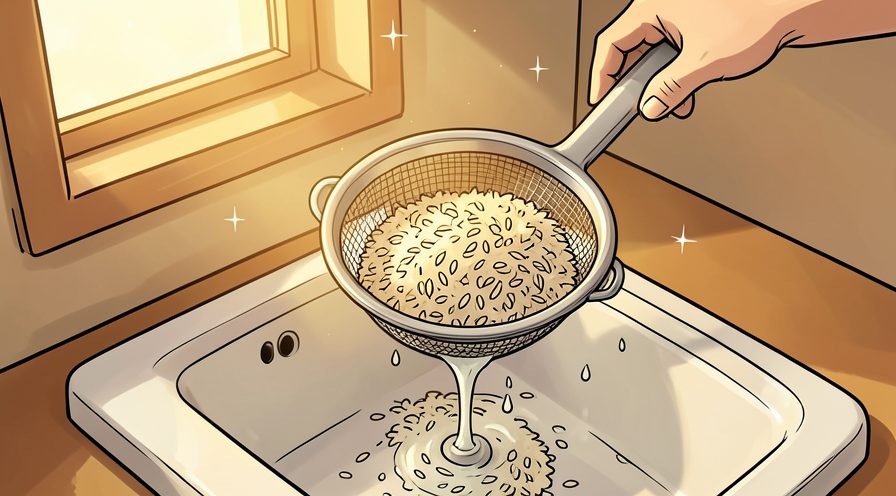
Step 14: Shake off excess
Give the strainer a few shakes to remove extra water.
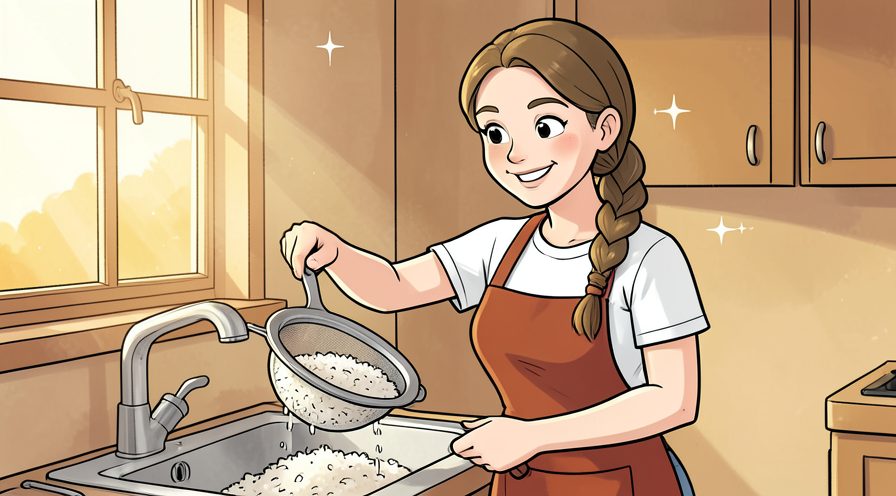
Step 15: Tip into the pot
Transfer the drained rice into your cooking pot.

Step 16: Add cooking water
Add fresh water in the ratio your recipe calls for.

Tips
- Rinse until the water is nearly clear for the fluffiest result.
- Use cold water so the starch does not gelatinize.
Warnings
- Do not soak rice for hours unless the recipe asks for it.
- Handle the bowl carefully when pouring off water.
Frequently asked questions
How long does it take to rinse rice?
What supplies do I need for rinse rice?
Is rinse rice safe for beginners?
References
- USA Rice Federation — rice cooking basics. https://www.usarice.com/
- Serious Eats — why you rinse rice. https://www.seriouseats.com/
- wikiHow — How to Rinse Rice. https://www.wikihow.com/Rinse-Rice
Every guide is reviewed against its sources. See our editorial policy.



Reader comments
0 so farFinished this guide? Tell other readers what worked, what didn't, and what you would change.