At high altitude, cookies spread too fast and dry out because liquids boil sooner and leavening works harder. This illustrated guide covers 3 methods and 17 steps, with a separate picture for every step.
This guide walks through the process in clear illustrated steps, from the first preparation to a finished result. Each step has its own picture, so you can compare your progress as you go.
How to use this guide
Work through the steps in order. Method 1 of 3: Understand the Problem covers the basics, and the later methods offer alternatives and finishing touches. If you only have a minute, skim the Quick steps box above and come back for the details.
Related guides
- How to Bake Chocolate Chip Cookies
- How to Measure Ingredients
- How to Substitute Baking Ingredients
- How to Store Cookies
- Browse all Food & Cooking guides
- All 52runoob guides
Trusted external resources
A note on sources
We check each guide against the official resources listed in References at the end of this article. External links open in a new tab; the related guides above stay on this site.
Quick steps
- Reduce baking powder or soda slightly
- Add a little more flour or liquid to balance structure
- Bake hotter and a bit shorter so cookies set fast
Things you'll need
- Your cookie recipe
- Measuring cups and spoons
- Flour, sugar, and leavening
- An oven thermometer
- A baking sheet and parchment
Step-by-step
Method 1 of 3: Understand the Problem :: Know what altitude changes.
Step 1: Note your altitude
Look up your elevation to judge how much adjustment you may need.

Step 2: Expect faster spreading
Lower pressure makes dough spread before it sets in the oven.
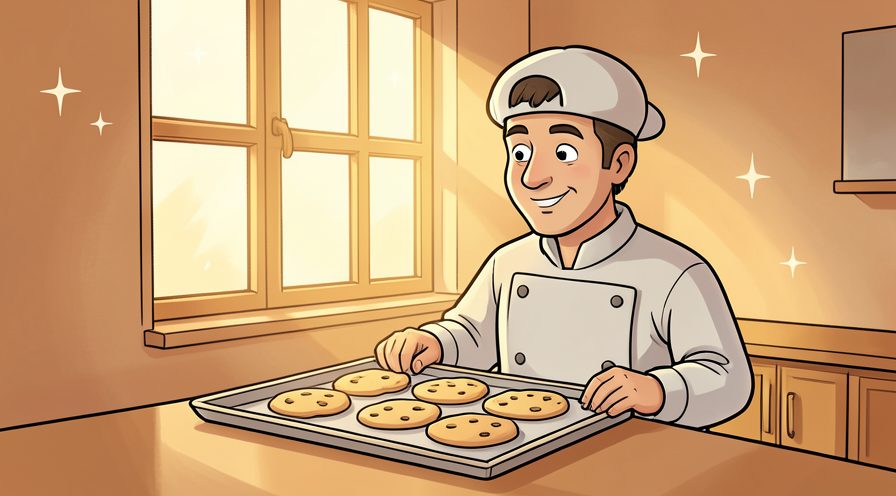
Step 3: Expect drier bakes
Moisture evaporates more quickly, so cookies can turn dry.

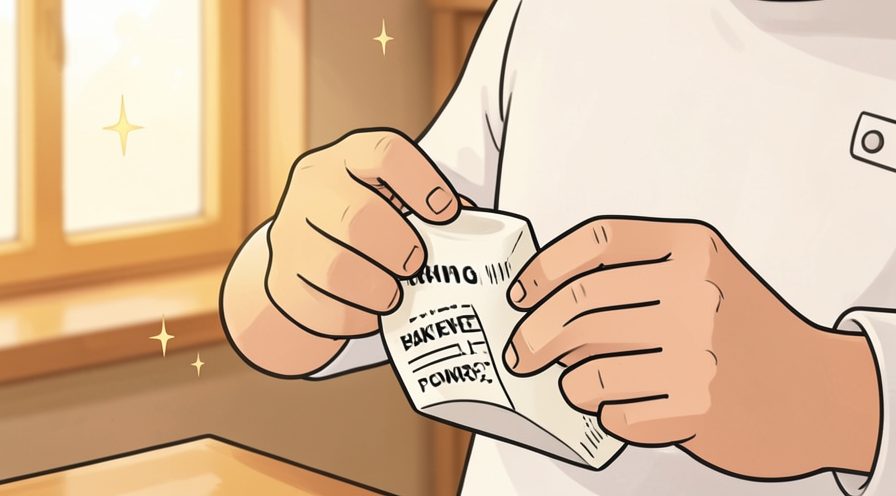
Step 4: Watch the leavening
Baking powder and soda work harder in thin air.
Step 5: Read the whole recipe
Check the original measurements before you change anything.

Method 2 of 3: Adjust the Recipe :: Change small things in order.
Step 6: Reduce the leavening
Cut baking powder or soda by a small amount for a gentler rise.

Step 7: Add a little flour
A spoonful or two of flour gives the dough more structure.
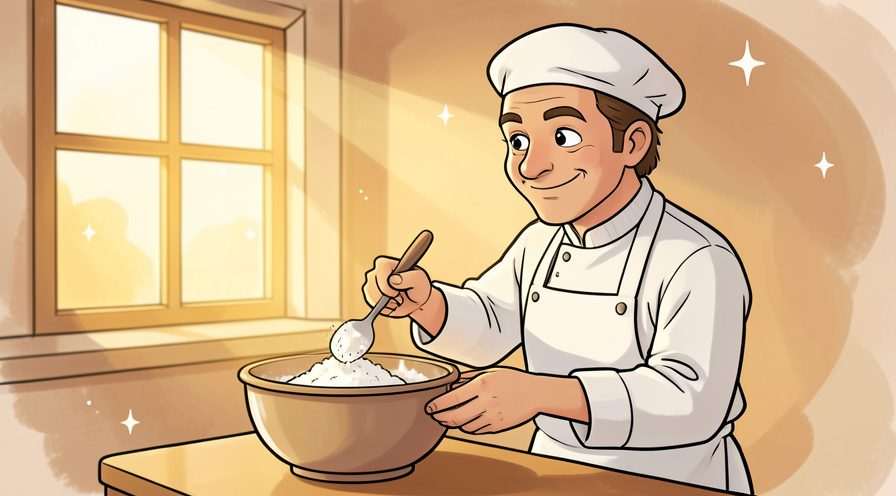
Step 8: Add liquid if dry
If the dough looks crumbly, add a splash of milk or water.

Step 9: Keep the sugar balanced
Too much sugar increases spread, so avoid extra sweetener.
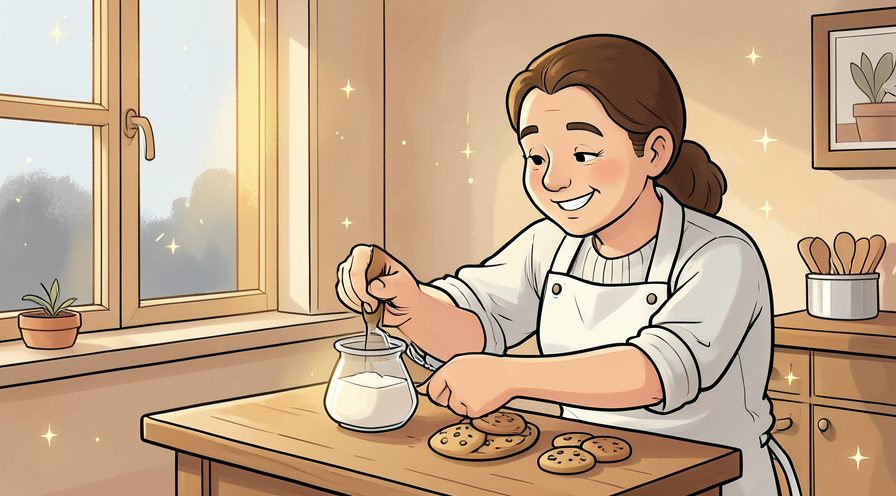
Step 10: Chill the dough
Cold dough spreads more slowly in a hot oven.

Step 11: Make a test batch
Bake a few cookies first to see how the changes behave.

Method 3 of 3: Bake and Evaluate :: Set the cookies before they spread.
Step 12: Preheat fully
Let the oven reach temperature and stabilize before baking.
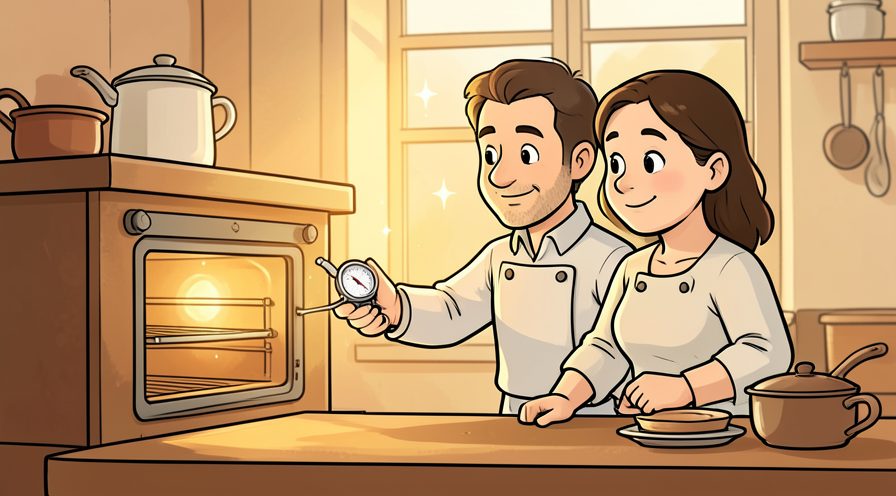
Step 13: Bake slightly hotter
A higher temperature helps the cookies set quickly.

Step 14: Shorten the time
Check early, since higher heat bakes faster than the recipe says.

Step 15: Rotate the tray
Turn the sheet halfway through for even browning.
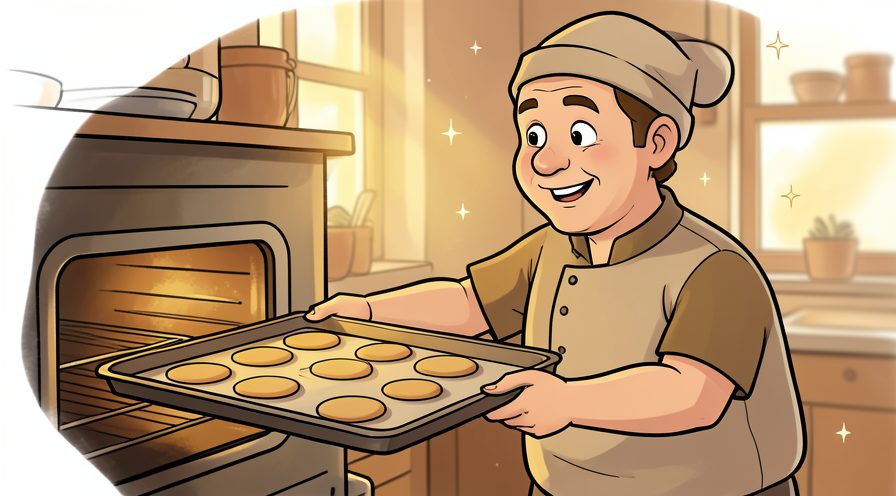
Step 16: Cool on the sheet
Let cookies firm up before moving them so they do not break.
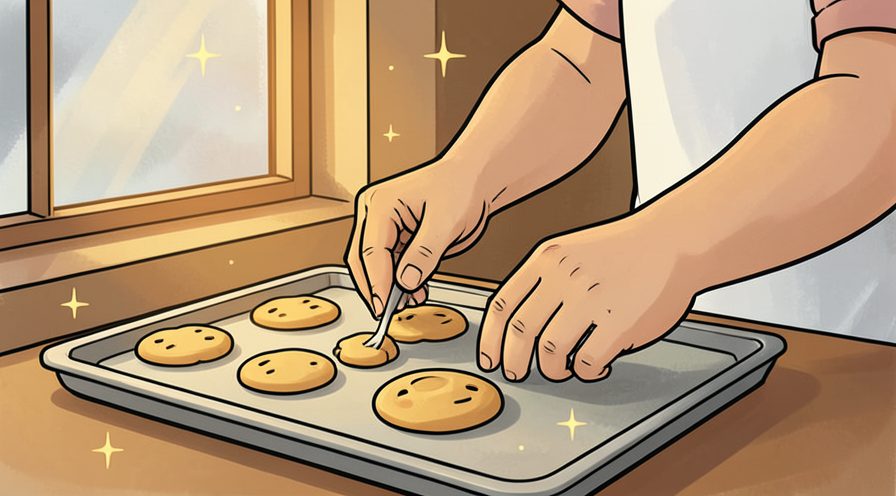
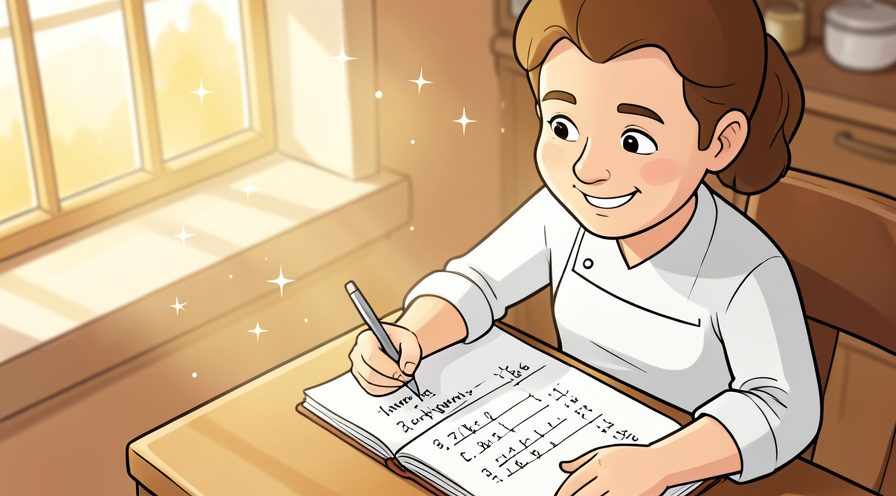
Step 17: Record what worked
Write down the final adjustments for next time.
Tips
- Start with small changes, since every oven and altitude behaves a little differently.
- An oven thermometer gives a truer reading than the built-in dial.
- See How to Bake Chocolate Chip Cookies for a base recipe.
Warnings
- Too much flour makes cookies dry and cakey, so add it gradually.
- Do not open the oven door early, or the cookies may collapse.
Frequently asked questions
Why do cookies fail at altitude? Lower air pressure makes leavening gases expand faster and moisture evaporate sooner.
Should I change the temperature? Yes, baking slightly hotter for a shorter time helps cookies set before they spread.
How much leavening do I cut? Start with about a quarter less and adjust after a test batch.
References
- King Arthur Baking — high altitude baking. https://www.kingarthurbaking.com/
- USDA — baking at altitude. https://www.usda.gov/
- Wikipedia — effects of altitude. https://en.wikipedia.org/wiki/Altitude
- wikiHow — How to Adjust a Cookie Recipe for High Altitude. https://www.wikihow.com/adjust-a-cookie-recipe-for-high-altitude
Every guide is reviewed against its sources. See our editorial policy.


Reader comments
0 so farFinished this guide? Tell other readers what worked, what didn't, and what you would change.