Workplace disagreements usually harden because both sides argue about intentions instead of describing what actually happened. A missed handover becomes "you don't respect my time". Naming the concrete event and asking about constraints gives the other person something they can respond to without defending their character.
This guide prepares a calm conversation, covers the discussion itself, and closes with the follow-through that stops the same issue returning.
How to use this guide
Work through the illustrated steps in order. Every step has its own picture, so you can check what a finished stage should look like before you move on. If you only have a minute, skim the Quick steps box above and come back for the details.
Related guides
- How to Apologize Sincerely
- How to Set Healthy Boundaries
- How to Make New Friends as an Adult
- How to Communicate Better in a Relationship
- Browse all Relationships guides
- All HowCompass guides
Trusted external resources
- American Psychological Association — relationships and well-being
- The Gottman Institute — relationship research
- Psychology Today — communication and relationships
A note on sources
We check each guide against the official resources listed in References at the end of this article. External links open in a new tab; the related guides above stay on this site.
Quick steps
- Cool off, then write down the specific behaviour and the outcome you want
- Ask for a private chat and describe the impact using "I" statements
- Agree one concrete next step and confirm it in a short written summary
Things you'll need
- A private meeting space or a quiet call
- A notebook of specific examples
- A clear desired outcome
- Ten uninterrupted minutes
- A calendar for a follow-up
Step-by-step
Method 1 of 2: Prepare a Factual, Calm Conversation :: Clarity before the meeting prevents it becoming an argument about personalities.
Step 1: Wait until the first reaction has passed
A heated opening is hard to recover from. Work in small passes and look at the result after each one, so a slip is easy to fix while it is still small.

Step 2: Write down the specific behaviour
Note what happened and when, without interpreting motive. Use a timer or a quick count rather than guessing, especially on your first few attempts.

Step 3: Separate the event from the person
"The file arrived Tuesday evening" is discussable, "you are unreliable" is not. Keep everything you might need within reach before starting, so you are not searching mid-step.
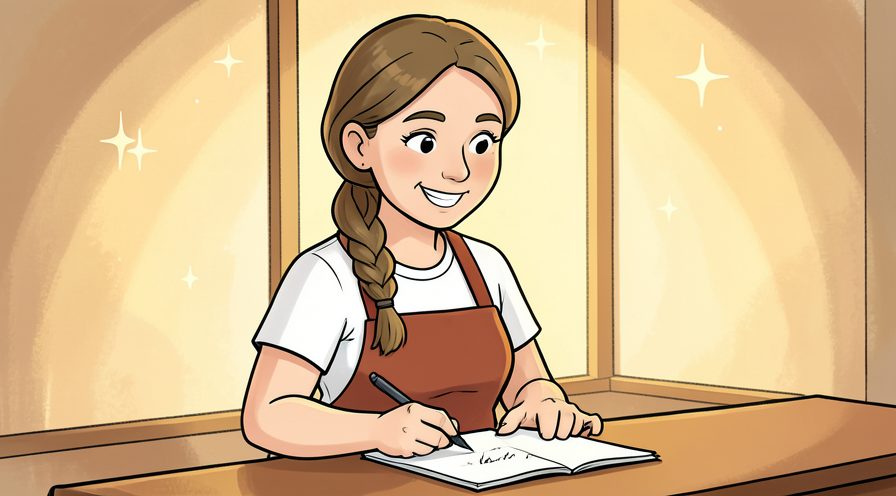
Step 4: Name the actual impact
Missed deadlines, rework, or a delayed client are concrete. If conditions are different today, adjust one thing at a time and leave everything else unchanged.

Step 5: Consider what might be going on for them
Competing deadlines or missing context often explain the behaviour. Choose the gentlest option that still works, then increase only if the result is not holding.

Step 6: Decide the outcome you actually want
A reliable handover time is more useful than winning the point. Finish with a quick check of the whole area rather than only the part you just handled.
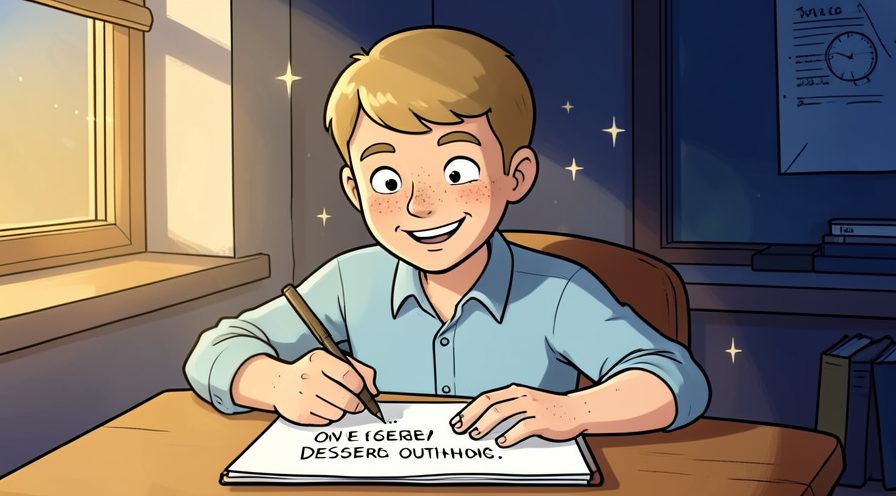
Step 7: Check whether this needs a formal route
Policy, harassment, and safety concerns bypass an informal chat. Stop and tidy up as soon as this part is done, so the next stage starts from a clear surface.

Step 8: Choose a private unhurried time
A corridor or a shared desk makes honest conversation unlikely. Keep the same order every time, since a fixed sequence is easier to repeat than a list of separate decisions.
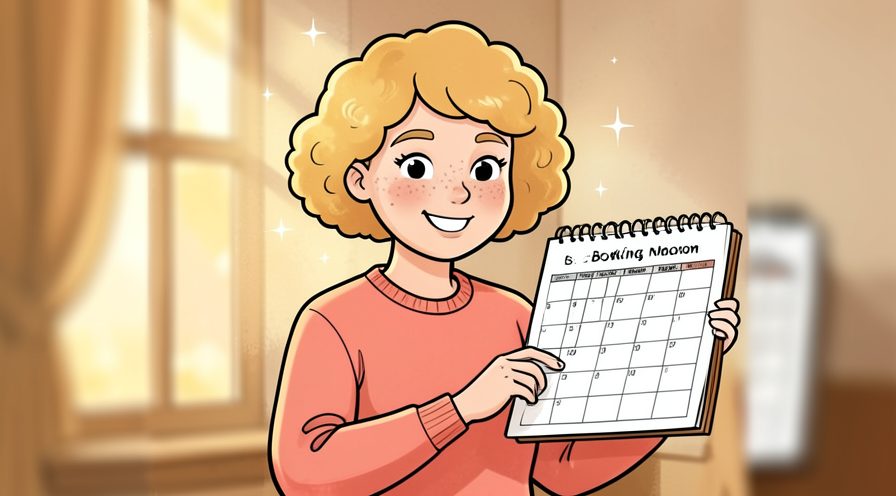
Step 9: Ask if now is a good moment
Consent to the conversation lowers defensiveness immediately. Note what you changed, because the same adjustment usually applies the next time you work on the conflict.

Step 10: Open with the single example
Keep it short and free of "always" or "never". Let it settle for a moment before judging the result, since the first impression often changes.

Step 11: Describe the impact using "I" statements
"I had to redo the figures" is easier to hear than an accusation. Use a light touch first; pressure and extra material are much easier to add than to remove.

Step 12: Ask an open question about their side
"What was the timing like for you" invites information. A slightly imperfect result here is fine and can be corrected later; a rushed fix usually costs more time.

Step 13: Keep a brief factual note afterwards
Dates and agreed points are useful if the issue returns. When in doubt, pause and compare against the picture above before continuing.
Keep going: How to Set Healthy Boundaries uses the same illustrated format and is a good next read. More checklists live in the Relationships category.

Method 2 of 2: Agree and Follow Through :: The conversation only counts if something changes next week.
Step 14: Listen fully before proposing anything
Interrupting turns a problem-solving chat into a debate. Check the edges and the parts you cannot see easily; those are where most beginners miss something.

Step 15: Reflect back what you heard
A short summary confirms you understood the constraint. Read the label or the guidance for the conflict once before acting, since small differences matter here.

Step 16: Find the shared goal
Both sides usually want the project to land cleanly. If you are unsure, do less than you think you need and check again; you can always repeat the step.

Step 17: Offer two or three workable options
Choices make agreement easier than a single demand. Give this stage a couple of minutes before moving on, because rushing here is the usual reason the conflict ends up uneven.

Step 18: Pick one concrete next step
Name who does what and by when. Repeat the same motion at a steady pace rather than varying it, which keeps the finish consistent.

Step 19: Send a short neutral summary
Two or three lines confirm the agreement without a paper trail of blame. Put the tools back in the same place afterward, so the next session starts without a search.

Step 20: Do your part exactly as agreed
Reliability from your side sets the tone immediately. Photograph or jot down the finished stage once, which gives you a reference for the next attempt.

Step 21: Check in after one cycle
A quick "did that work" catches a broken fix early. If conditions are different today, adjust one thing at a time and leave everything else unchanged.

Step 22: Raise it with a manager only if it repeats
Bring the dated examples and the steps you already tried. Use a light touch first; pressure and extra material are much easier to add than to remove.

Step 23: Keep the working relationship civil
A resolved disagreement does not need a post-mortem. Use a timer or a quick count rather than guessing, especially on your first few attempts.
Keep going: How to Make New Friends as an Adult uses the same illustrated format and is a good next read. More checklists live in the Relationships category.

Tips
- Lead with one example rather than a list of everything that has ever bothered you.
- Ask "what was happening on your side" before proposing a fix, since the constraint is often invisible. For another walkthrough, see How to Apologize Sincerely.
- Keep the tone neutral; the goal is a working agreement, not an apology.
Warnings
- Do not discuss a colleague's behaviour in a group chat or with uninvolved teammates. Official guidance: American Psychological Association.
- For harassment, discrimination, or safety concerns, use your organisation's formal reporting route instead of an informal chat.
Frequently asked questions
What if they get defensive? Slow down, reflect back what you heard, and return to the single example.
Should I put it in writing? A short neutral summary afterwards is useful; an angry email is not.
When should I involve a manager? If a direct conversation fails, or immediately for policy or safety issues.
References
- American Psychological Association — relationships and well-being. https://www.apa.org/
- The Gottman Institute — relationship research. https://www.gottman.com/
- Psychology Today — communication and relationships. https://www.psychologytoday.com/
- National Domestic Violence Hotline — healthy relationship and safety resources. https://www.thehotline.org/
- UC Berkeley Greater Good Magazine — the science of connection. https://greatergood.berkeley.edu/
Every guide is reviewed against its sources. See our editorial policy.



Reader comments
0 so farFinished this guide? Tell other readers what worked, what didn't, and what you would change.