Most apologies fail because they are about the person apologizing: their guilt, their intentions, or their eager wish to move on. The other person is still waiting to hear that you understand what changed for them. A short, specific statement does more than a long explanation.
This guide covers how to work out what you need to own before you speak, then how to deliver it and follow through without pressuring anyone to forgive you on your schedule.
How to use this guide
Work through the illustrated steps in order. Every step has its own picture, so you can check what a finished stage should look like before you move on. If you only have a minute, skim the Quick steps box above and come back for the details.
Related guides
- How to Set Healthy Boundaries
- How to Make New Friends as an Adult
- How to Say No Without Feeling Guilty
- How to Communicate Better in a Relationship
- Browse all Relationships guides
- All HowCompass guides
Trusted external resources
- American Psychological Association — relationships and well-being
- The Gottman Institute — relationship research
- Psychology Today — communication and relationships
A note on sources
We check each guide against the official resources listed in References at the end of this article. External links open in a new tab; the related guides above stay on this site.
Quick steps
- Write down exactly what you did and how it landed before you speak
- Say the apology in one or two plain sentences without "but" or "if"
- Name one concrete change and then give the other person time
Things you'll need
- A quiet moment without interruptions
- A notebook for sorting your thoughts
- A private place for a face-to-face or voice conversation
- Patience with the other person's timing
Step-by-step
Method 1 of 2: Work Out What You Actually Need to Own
Step 1: Write down the specific action in one line
Describe what you did without judging yourself or adding background. Put the tools back in the same place afterward, so the next session starts without a search.
Step 2: Separate the action from your intention
Good intentions do not undo an effect, so keep them out of the first sentence. Note what you changed, because the same adjustment usually applies the next time you work on the apology.
Step 3: Name the likely effect on the other person
Think about the extra work, embarrassment, or disappointment your action created. Stop and tidy up as soon as this part is done, so the next stage starts from a clear surface.
Step 4: Look for the word "but" in your draft
Anything after it is usually a defence, so cut it from the apology. Use a light touch first; pressure and extra material are much easier to add than to remove.

Step 5: Remove any phrase beginning with "if"
"If you were hurt" makes the other person's reaction the problem. Let it settle for a moment before judging the result, since the first impression often changes.

Step 6: Decide what you can change concretely
Pick one behaviour you can actually alter rather than a promise to be better in general. Choose the gentlest option that still works, then increase only if the result is not holding.
Step 7: Check your motive for apologizing
If the goal is to stop your own discomfort, wait until you can focus on them. Keep everything you might need within reach before starting, so you are not searching mid-step.

Step 8: Choose a private unhurried moment
An apology squeezed between other tasks rarely lands well. Use a timer or a quick count rather than guessing, especially on your first few attempts.

Step 9: Ask whether contact is welcome
A short message asking for a chance to talk respects the space they asked for. Give this stage a couple of minutes before moving on, because rushing here is the usual reason the apology ends up uneven.
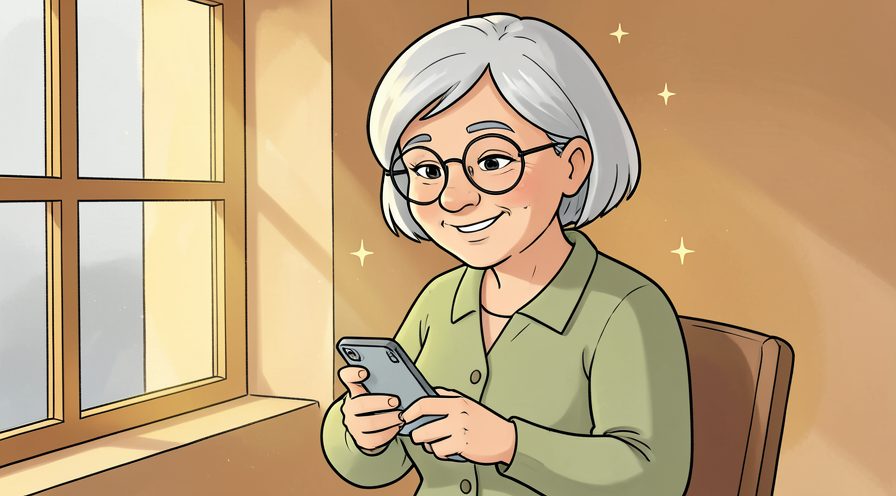
Step 10: Plan to keep it under a minute
A short apology is easier to hear than a long one. Photograph or jot down the finished stage once, which gives you a reference for the next attempt.
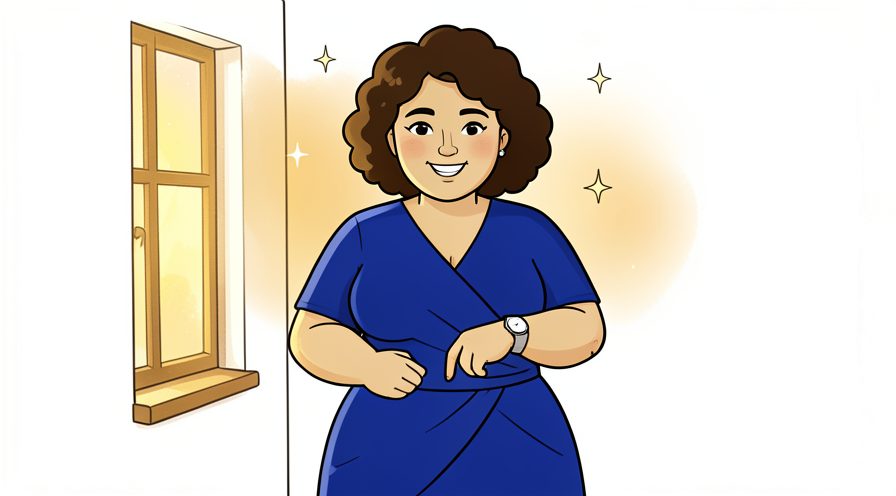
Step 11: Rehearse the first sentence aloud
Hearing it once catches any leftover defensiveness in your wording. When in doubt, pause and compare against the picture above before continuing.

Step 12: Prepare to hear an honest reaction
They may be angry or quiet, and neither needs to be fixed immediately. Keep the same order every time, since a fixed sequence is easier to repeat than a list of separate decisions.

Step 13: Decide what you will do if they need time
Having a gracious exit ready stops you from pushing for instant forgiveness. Finish with a quick check of the whole area rather than only the part you just handled.
Keep going: How to Make New Friends as an Adult uses the same illustrated format and is a good next read. More checklists live in the Relationships category.
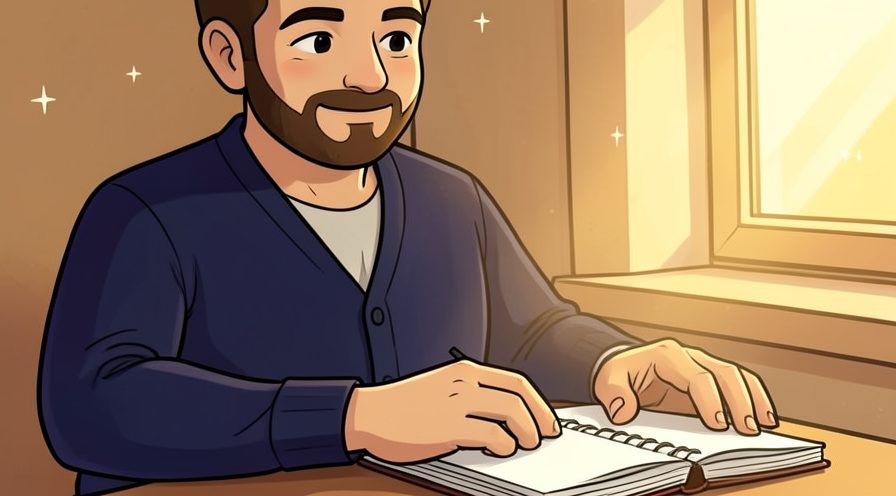
Method 2 of 2: Say It, Then Follow Through
Step 14: Open with a plain "I'm sorry for"
Name the action directly in the first few words. Work in small passes and look at the result after each one, so a slip is easy to fix while it is still small.
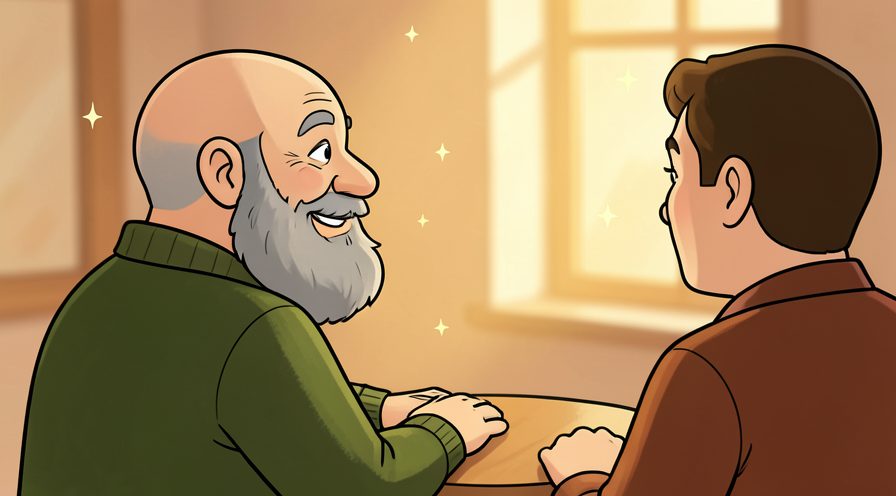
Step 15: State the effect you recognized
One sentence shows you understand what it cost them. If you are unsure, do less than you think you need and check again; you can always repeat the step.

Step 16: Stop talking after the apology
Silence gives the other person room to respond instead of filling the space. Repeat the same motion at a steady pace rather than varying it, which keeps the finish consistent.

Step 17: Let them describe what happened for them
Listen without preparing your next sentence while they speak. Check the edges and the parts you cannot see easily; those are where most beginners miss something.
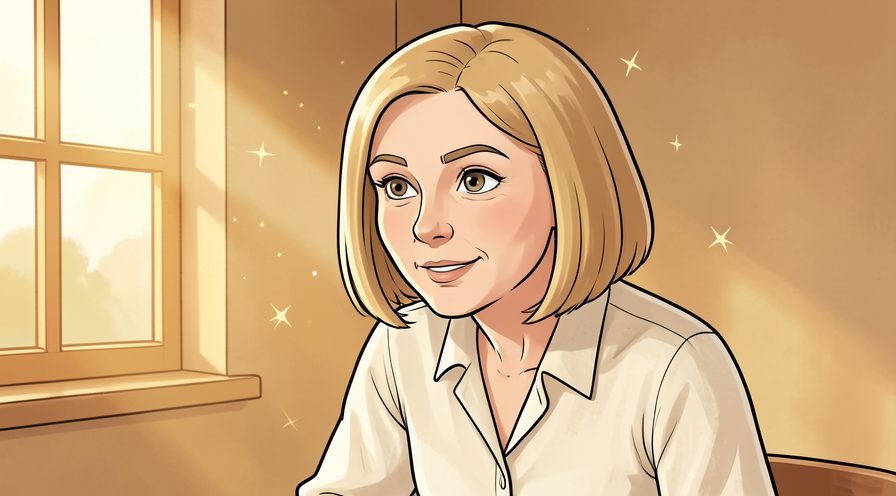
Step 18: Reflect back what you heard
A short paraphrase confirms you understood rather than assumed. A slightly imperfect result here is fine and can be corrected later; a rushed fix usually costs more time.
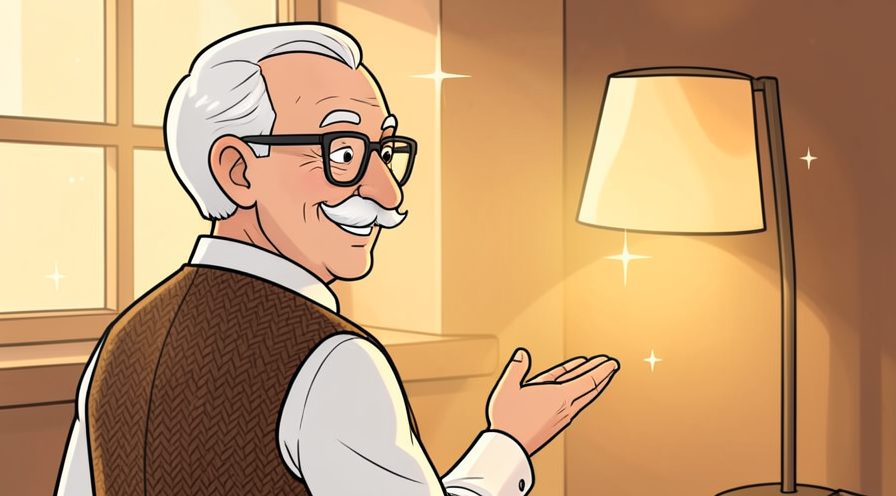
Step 19: Resist explaining your reasons
Context can wait, and offering it now sounds like a rebuttal. If conditions are different today, adjust one thing at a time and leave everything else unchanged.

Step 20: Answer a direct question honestly
If they ask why, give a short truthful answer without spreading blame. Read the label or the guidance for the apology once before acting, since small differences matter here.

Step 21: Name the one change you will make
Be concrete enough that they could notice it. If conditions are different today, adjust one thing at a time and leave everything else unchanged.

Step 22: Ask what would help, without demanding an answer
An open question is useful only if "I don't know" is also acceptable. If you are unsure, do less than you think you need and check again; you can always repeat the step.
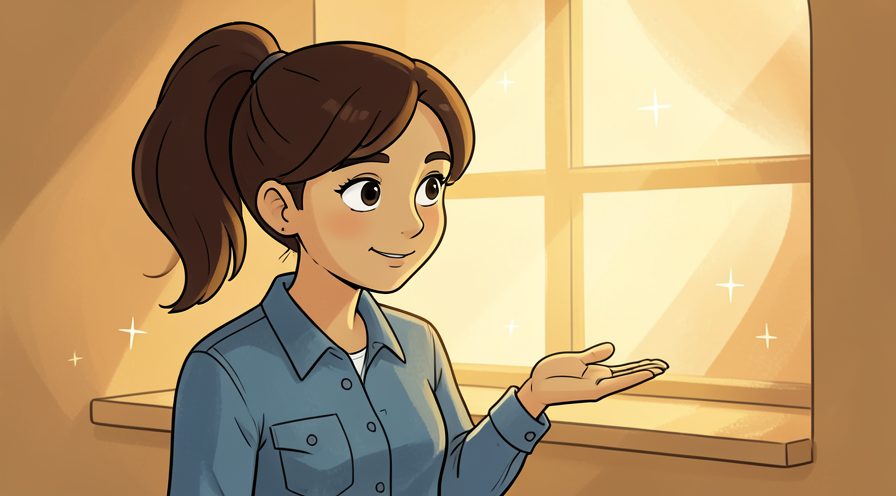
Step 23: Accept anger or silence without arguing
Their reaction is not a problem for you to solve in that moment. Let it settle for a moment before judging the result, since the first impression often changes.

Step 24: Avoid asking for forgiveness
"Can you forgive me" puts pressure on them to make you feel better. Keep the same order every time, since a fixed sequence is easier to repeat than a list of separate decisions.
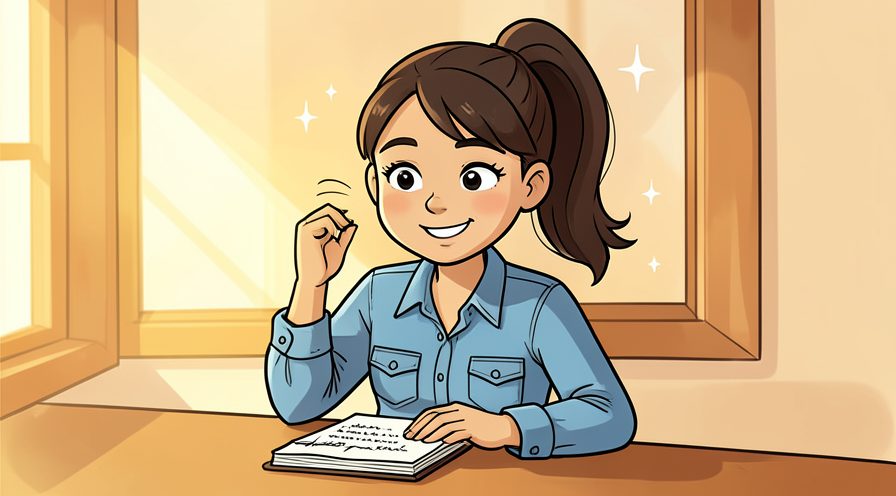
Step 25: Say you will give them space if they want it
Offer an exit and then honour it. Work in small passes and look at the result after each one, so a slip is easy to fix while it is still small.
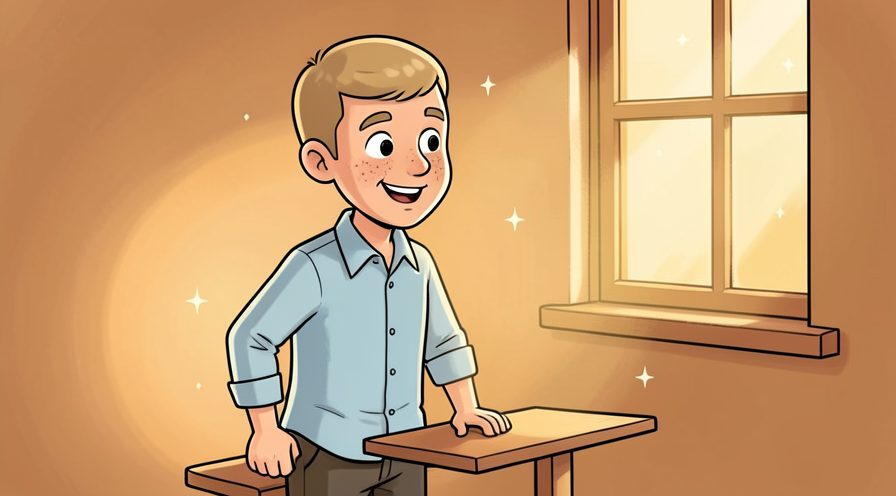
Step 26: Send no follow-up message that day
Let the conversation settle before checking in. Use a timer or a quick count rather than guessing, especially on your first few attempts.
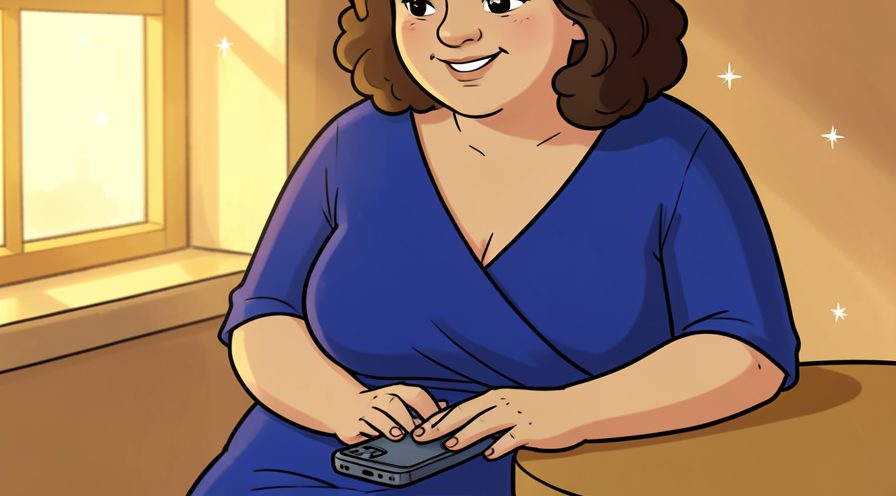
Step 27: Do the thing you promised, consistently
The change you named is the part that actually rebuilds trust. Read the label or the guidance for the apology once before acting, since small differences matter here.

Step 28: Let the relationship set its own pace
Some things repair in a week and some take months, and pushing never speeds that up. Put the tools back in the same place afterward, so the next session starts without a search.
Keep going: How to Say No Without Feeling Guilty uses the same illustrated format and is a good next read. More checklists live in the Relationships category.

Tips
- Use "I" statements about your own action instead of describing what the other person supposedly felt, since you cannot know that for certain.
- If you catch yourself explaining context, stop and come back to the one sentence that owns the action. For another walkthrough, see How to Set Healthy Boundaries.
- A written message is fine for a small matter, but a serious hurt deserves a voice or an in-person conversation.
Warnings
- Do not add conditions such as "I'm sorry if you were upset", which shifts the focus back onto their reaction. Official guidance: American Psychological Association.
- Do not use an apology as a way to restart contact with someone who has asked for space.
Frequently asked questions
What if they don't forgive me? That is their decision; a sincere apology does not come with a deadline or a guaranteed outcome.
Should I explain why I did it? Only briefly and only after the apology has landed, because context too early sounds like a defence.
How soon should I apologize? Once you can be specific about what you did, which is better than a fast vague message.
References
- American Psychological Association — relationships and well-being. https://www.apa.org/
- The Gottman Institute — relationship research. https://www.gottman.com/
- Psychology Today — communication and relationships. https://www.psychologytoday.com/
- National Domestic Violence Hotline — healthy relationship and safety resources. https://www.thehotline.org/
- UC Berkeley Greater Good Magazine — the science of connection. https://greatergood.berkeley.edu/
Every guide is reviewed against its sources. See our editorial policy.
Reader comments
0 so farFinished this guide? Tell other readers what worked, what didn't, and what you would change.