Most couples do not argue because they stop caring; they argue because a hard topic comes up at a bad moment, in vague accusations, while the other person is still formulating a defense. A useful conversation has a structure: one issue, one speaker at a time, concrete words about what actually happened, and a clear request. This guide breaks that structure into repeatable moves you can practice on low-stakes topics first.
Work through both methods and you will have a script for raising a concern without blame, a way to listen that makes your partner feel heard, and a simple routine for cooling down and returning to the topic. Expect small agreements you can actually keep, not one dramatic talk that fixes everything.
How to use this guide
Work through the illustrated steps in order. Every step has its own picture, so you can check what a finished stage should look like before you move on. If you only have a minute, skim the Quick steps box above and come back for the details.
Related guides
- How to Do Digital Art on Your Phone
- How to Pack a Carry-On
- How to Sleep Better at Night
- Browse all Relationships guides
- All HowCompass guides
Trusted external resources
- American Psychological Association — relationships and well-being
- The Gottman Institute — relationship research
- Psychology Today — communication and relationships
A note on sources
We check each guide against the official resources listed in References at the end of this article. External links open in a new tab; the related guides above stay on this site.
Quick steps
- Choose a calm time and raise just one specific issue.
- Speak with I statements, then ask an open question and wait.
- Reflect back what you heard before offering any solution or fix.
Things you'll need
- A quiet room with two chairs
- A notebook and a pen
- A phone timer or kitchen timer
- A shared calendar for scheduling talks
- Index cards for writing down requests
- Two glasses of water
Step-by-step
Method 1 of 2: Raising a Concern Without Blame
Step 1: Pick a calm moment before you start
Choose a time when neither of you is hungry, rushing, or already upset, and avoid starting a hard topic within ten minutes of a stressful event. Ask a simple question first, such as whether now is a good time, and accept a no without pushing back.
Step 2: Use I statements to describe your own feelings
Build each sentence from three parts: what happened, how you felt, and what you would like, as in I felt overlooked when plans changed without telling me. Keep the subject as I rather than you, because you statements tend to sound like accusations even when the facts are accurate.

Step 3: Stick to one specific issue at a time
Name a single observable situation, such as last night's dishes, and refuse to pull in older grievances, money, or in-laws for the length of this talk. If a second topic surfaces, write it on a card and promise to return to it later, which keeps the current conversation winnable.

Step 4: Describe behavior instead of judging character
Report only what you directly saw or heard, for example the trash was still in the kitchen when I got home, instead of labeling anyone lazy or selfish. Concrete descriptions give the other person something specific to respond to, while character judgments almost always produce defensiveness and a quick counterattack.

Step 5: State what you need in plain words
Turn the feeling into one concrete, doable request, such as please text me if plans change after six, rather than a vague wish to feel more considered. A request should be small enough to start this week and specific enough that both of you could tell whether it happened.

Step 6: Keep your tone steady, slow, and low
Aim for a pace slightly slower than your normal speech and a volume that would not carry into the next room, since intensity is often read as hostility regardless of the words. Pause for two seconds after each main point, which gives the other person room to respond instead of brace.
Step 7: Ask open questions that invite a real reply
Follow your request with a question that cannot be answered yes or no, such as what would make that easier for you, and then stop talking. Give at least five seconds of silence, because a fast follow-up question usually signals that you wanted agreement rather than information.

Step 8: Summarize the agreement before you end the talk
Close by restating the one change each of you agreed to, in a single sentence each, and note when you will check back on it. Write the summary down, because a vague memory of a good conversation tends to fade within a day while a written line stays actionable.
Keep going: How to Pack a Carry-On uses the same step-by-step format and is a good next read. More checklists live in the Relationships category.
Method 2 of 2: Listening Well and Handling Conflict Calmly
Step 9: Put your phone away before they start speaking
Turn the screen face down, silence notifications, and move the device out of reach for the length of the conversation, ideally ten to twenty minutes. Even a brief glance at a screen tends to shorten replies, so removing the option makes full attention the default rather than a willpower test.

Step 10: Listen fully without rehearsing your next reply
Let the other person finish completely, including the awkward pause at the end, before you start forming sentences. If you catch yourself building a rebuttal, silently note one word from what they just said and return to it, which keeps attention on their meaning instead of your defense.

Step 11: Reflect back what you heard them say
Paraphrase their point in your own words, starting with so what I hear is, and end with a short check such as did I get that right. Keep it under two sentences and do not add your interpretation yet, because a correct summary often defuses a disagreement faster than any argument.
Step 12: Validate feelings even when you disagree with facts
Acknowledge the emotion without conceding the point, using lines like I can see why that felt frustrating, then keep your own account separate. Validation is about the feeling being real, not about who is right, and it usually lowers the volume enough for the actual facts to be discussed.

Step 13: Ask what would help instead of jumping to fixes
Before offering a solution, ask whether they want advice, help with a task, or simply a few minutes of listening, and honor the answer. Unsolicited fixes often land as dismissal, while a direct question about what is needed usually produces a smaller and more workable request.

Step 14: Call a short timeout when voices start rising
Agree in advance on a neutral phrase such as let us pause, and use it the moment either of you is talking over the other or repeating the same line. Step away for at least twenty minutes, and spend it moving or doing a chore rather than replaying the argument in your head.
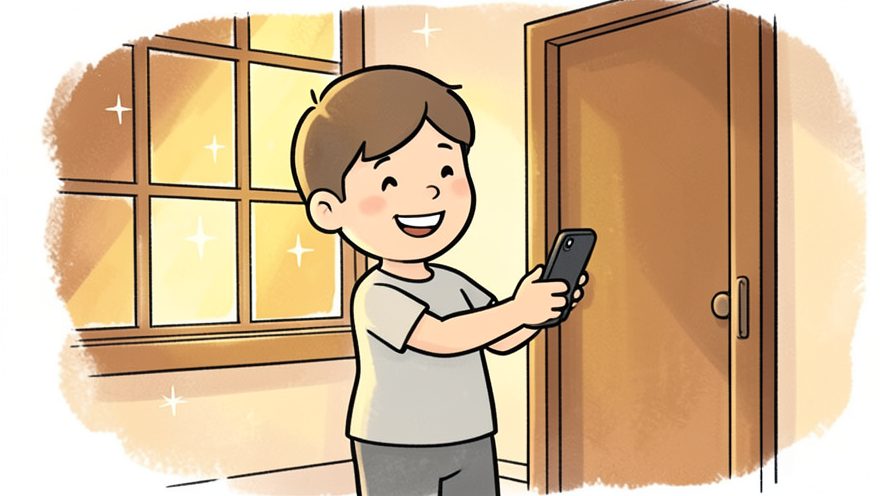
Step 15: Return to the topic at the time you set
Come back exactly when you said you would, even if the issue feels smaller by then, because a kept promise rebuilds more trust than a perfect argument. Open with one sentence about what you understood last time, then ask whether they want to add anything before you continue.
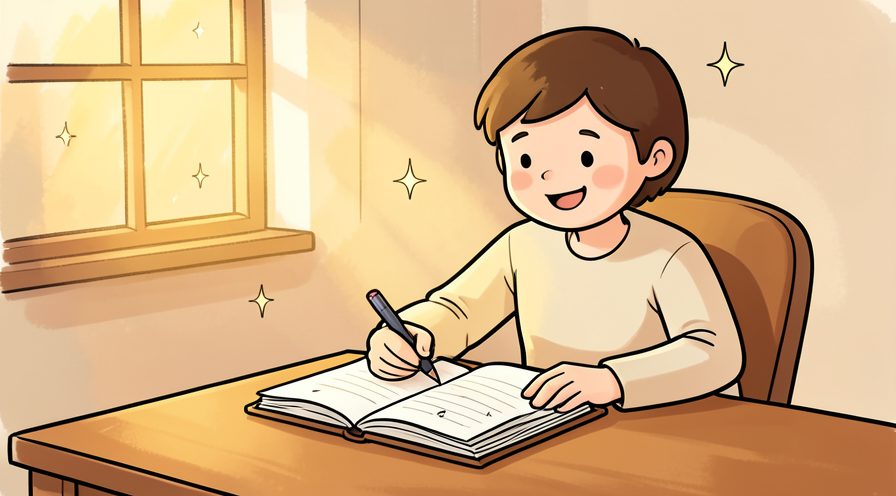
Step 16: Agree on one small change each of you will make
Finish with two concrete commitments, one from each person, phrased as actions you can verify rather than attitudes you promise to hold. Pick a date to check in, write both lines down, and treat the follow-up as the real test of whether the conversation actually worked.
Keep going: How to Sleep Better at Night uses the same step-by-step format and is a good next read. More checklists live in the Relationships category.

Tips
- Practice the wording on a small annoyance first, like dishes or a thermostat, before bringing it to a heavier topic.
- Replace always and never with the exact date or event, since absolute words almost always trigger a defense instead of a reply. For a related walkthrough, see How to Do Digital Art on Your Phone.
- If a talk runs past twenty minutes with no progress, pause it and set a specific time to resume the next day.
- Write your request as one sentence before the conversation, then read it aloud verbatim so nerves do not rewrite it.
- End every serious talk by naming one thing you appreciated, so the conversation closes on accuracy rather than tension.
Warnings
- If conflict stays constant, escalates, or involves fear, control, or any form of abuse, contact a qualified counselor or a local support service. Official guidance: American Psychological Association.
- Do not use these scripts to press a partner into talking when they have clearly asked for space; wait for consent to continue.
Frequently asked questions
What if my partner shuts down as soon as I bring something up?
Start with the smallest possible topic, keep it under two minutes, and explicitly say you want their view rather than an immediate answer. Offer to revisit it later at a time they choose, so the conversation feels like an invitation instead of an interrogation.
120 found this helpful · 5 did not
How often should we sit down for a serious conversation?
A short weekly check-in of about fifteen minutes works better than waiting for a blowup. Put it on a shared calendar, cover one topic, and skip it when life is genuinely too busy so the habit stays light rather than becoming another obligation.
120 found this helpful · 5 did not
Is it normal to still argue about the same thing for years?
Recurring topics are common, but a loop that never changes usually means the underlying request was never stated clearly. If the same conflict keeps returning despite calm, structured talks, consider bringing in a licensed couples counselor rather than trying harder alone.
120 found this helpful · 5 did not
References
- American Psychological Association — relationships and well-being. https://www.apa.org/
- The Gottman Institute — relationship research. https://www.gottman.com/
- Psychology Today — communication and relationships. https://www.psychologytoday.com/
- National Domestic Violence Hotline — healthy relationship and safety resources. https://www.thehotline.org/
- UC Berkeley Greater Good Magazine — the science of connection. https://greatergood.berkeley.edu/
Every guide is reviewed against its sources. See our editorial policy.


Reader comments
0 so farFinished this guide? Tell other readers what worked, what didn't, and what you would change.