Most people apply a fraction of the amount used in SPF testing, which turns a labelled SPF 30 into far less protection in real life. Timing matters too: sunscreen needs a few minutes to form an even film before sun exposure. A simple routine with a generous amount and a reapplication reminder fixes both.
This guide covers the application itself, then the reapplication and complementary habits that keep coverage through a whole day outside.
How to use this guide
Work through the illustrated steps in order. Every step has its own picture, so you can check what a finished stage should look like before you move on. If you only have a minute, skim the Quick steps box above and come back for the details.
Related guides
- How to Apply Foundation Evenly
- How to Wash Your Hair the Right Way
- How to Shape Your Eyebrows at Home
- How to Build a Skincare Routine
- Browse all Beauty & Style guides
- All HowCompass guides
Trusted external resources
- American Academy of Dermatology — everyday skin care
- American Academy of Dermatology — skin health
- Skin Cancer Foundation — sun protection
A note on sources
We check each guide against the official resources listed in References at the end of this article. External links open in a new tab; the related guides above stay on this site.
Quick steps
- Choose a broad-spectrum SPF 30 or higher and check the expiry date
- Apply generously fifteen minutes before going outside, including ears, neck, and hands
- Reapply every two hours and straight after swimming, sweating, or towel drying
Things you'll need
- Broad-spectrum sunscreen SPF 30 or higher
- A lip balm with SPF
- A hand mirror
- A hat and sunglasses
- A timer or phone reminder
- A water-resistant formula for swimming
Step-by-step
Method 1 of 2: Apply Enough, Early Enough :: Coverage and timing decide almost everything.
Step 1: Choose a broad-spectrum SPF 30 or higher
Broad-spectrum means it covers both UVA and UVB. Keep everything you might need within reach before starting, so you are not searching mid-step.
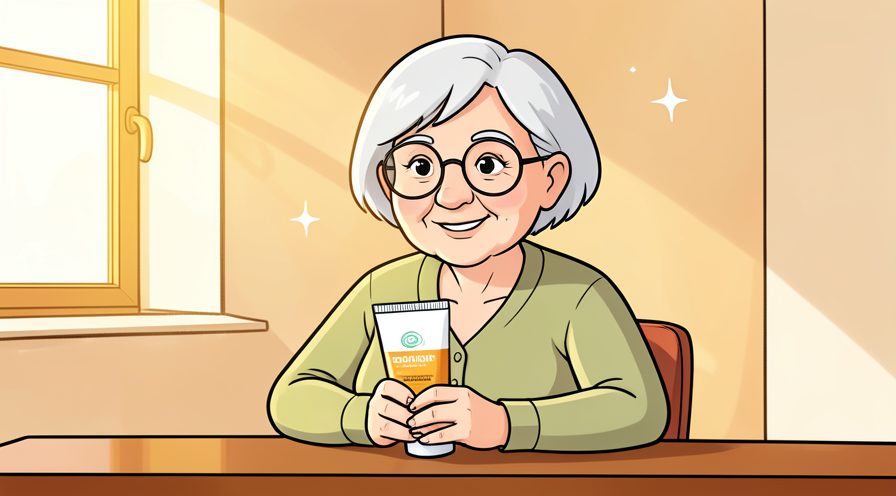
Step 2: Check the expiry date
Old formula may have separated and lost effectiveness. Work in small passes and look at the result after each one, so a slip is easy to fix while it is still small.
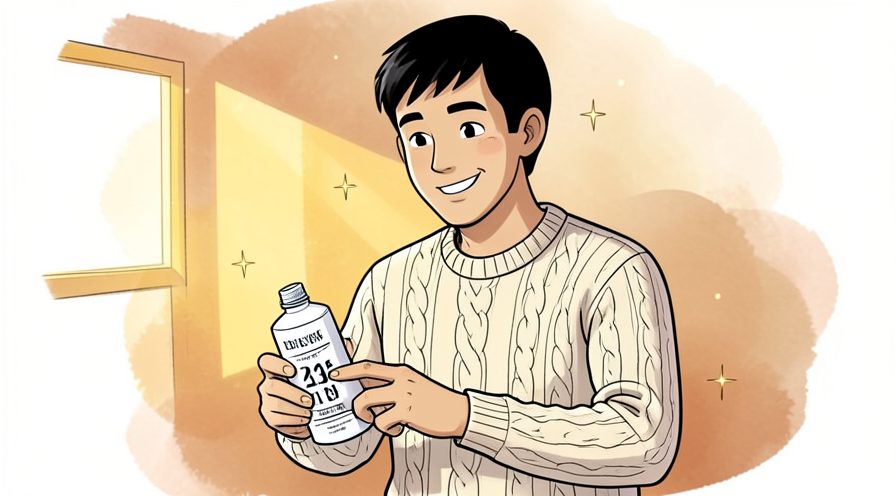
Step 3: Pick a texture you will actually use
A formula that feels pleasant gets applied generously every day. If you are unsure, do less than you think you need and check again; you can always repeat the step.
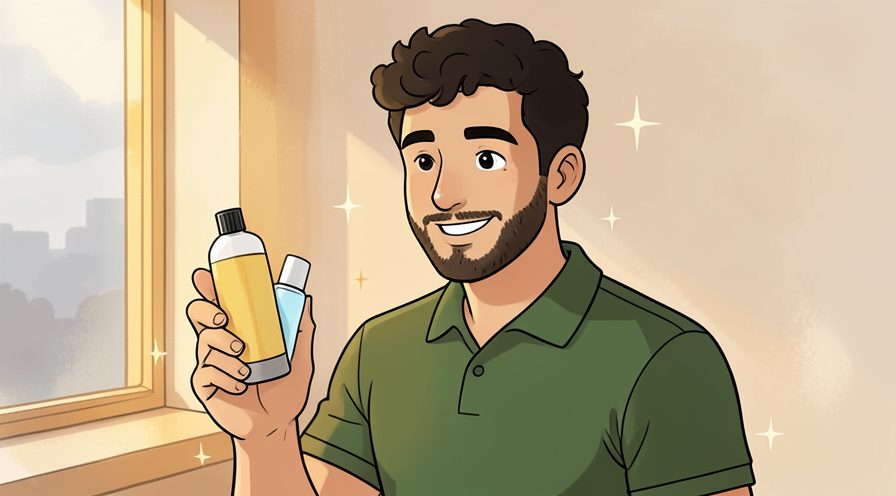
Step 4: Patch test a new product
Try a small area first if your skin reacts easily. Keep the same order every time, since a fixed sequence is easier to repeat than a list of separate decisions.

Step 5: Apply about fifteen minutes before going out
The film needs a moment to settle evenly. Use a light touch first; pressure and extra material are much easier to add than to remove.
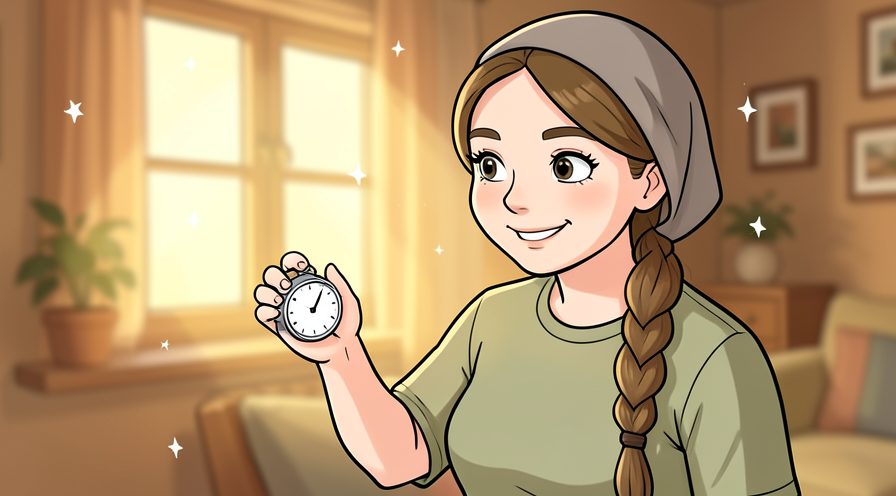
Step 6: Shake or warm the product as the label says
A separated formula does not spread evenly. Put the tools back in the same place afterward, so the next session starts without a search.

Step 7: Dot it across the face rather than one blob
Forehead, cheeks, nose, chin, and neck all get a share. Read the label or the guidance for your sunscreen once before acting, since small differences matter here.

Step 8: Use roughly two finger lengths for face and neck
Under-applying is the most common reason protection fails. When in doubt, pause and compare against the picture above before continuing.
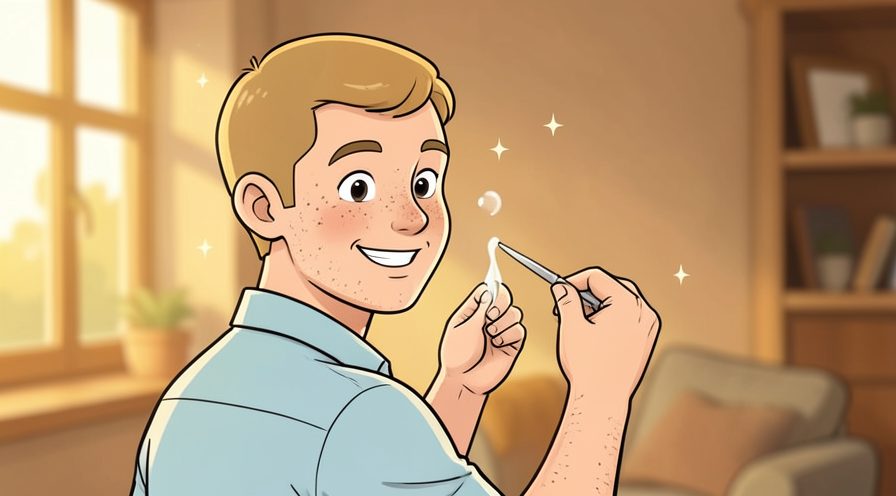
Step 9: Spread outward without aggressively rubbing in
A gentle even layer is enough for most lotions. Note what you changed, because the same adjustment usually applies the next time you work on your sunscreen.
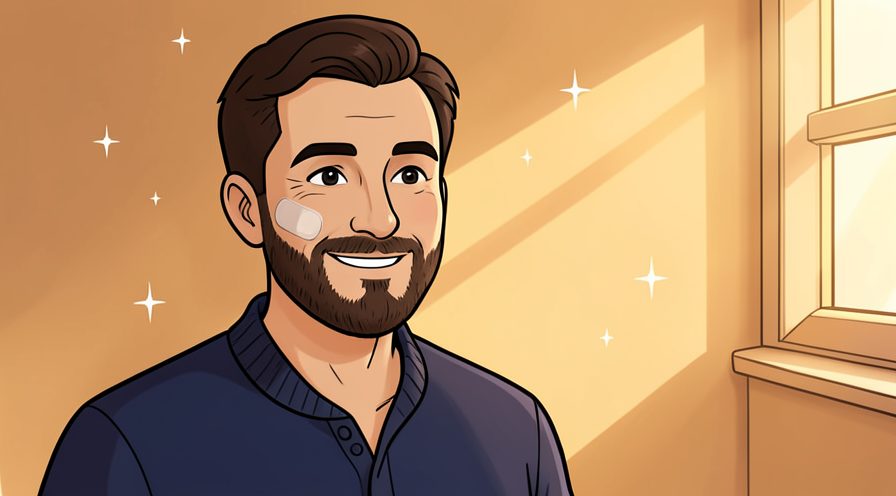
Step 10: Cover the ears and the hairline
These are regularly missed and burn easily. Check the edges and the parts you cannot see easily; those are where most beginners miss something.

Step 11: Include the neck and the back of the hands
Both are exposed all day and show sun damage early. Choose the gentlest option that still works, then increase only if the result is not holding.

Step 12: Protect the eyelids carefully
Use a product suited to the eye area and avoid getting it in the eyes. Photograph or jot down the finished stage once, which gives you a reference for the next attempt.

Step 13: Use an SPF lip balm
Lips have very little natural protection. Stop and tidy up as soon as this part is done, so the next stage starts from a clear surface.
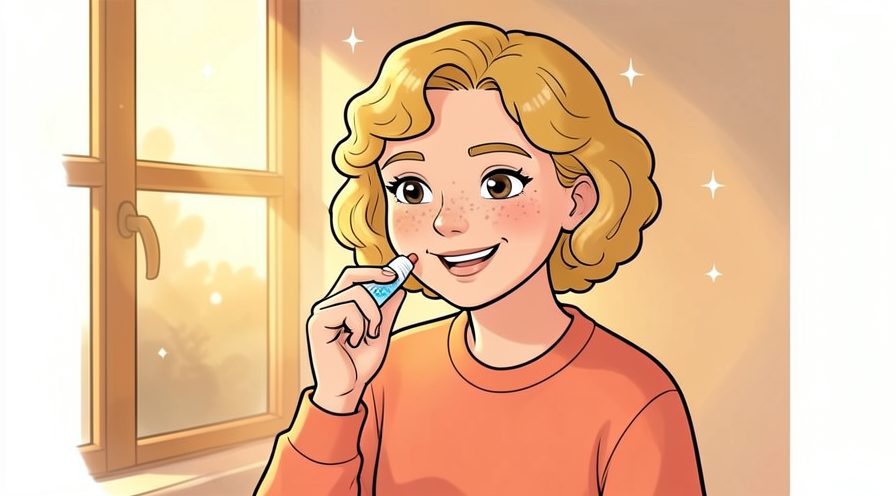
Step 14: Let it settle before dressing or makeup
Rubbing it off with a collar or a sponge leaves gaps. Let it settle for a moment before judging the result, since the first impression often changes.
Keep going: How to Wash Your Hair the Right Way uses the same illustrated format and is a good next read. More checklists live in the Beauty & Style category.

Method 2 of 2: Reapply and Support It With Shade :: One morning application does not cover a full day outside.
Step 15: Set a two hour reapplication reminder
A timer is more reliable than trying to remember. A slightly imperfect result here is fine and can be corrected later; a rushed fix usually costs more time.
Step 16: Reapply sooner after swimming
Even water-resistant formulas lose effectiveness over time. Give this stage a couple of minutes before moving on, because rushing here is the usual reason your sunscreen ends up uneven.
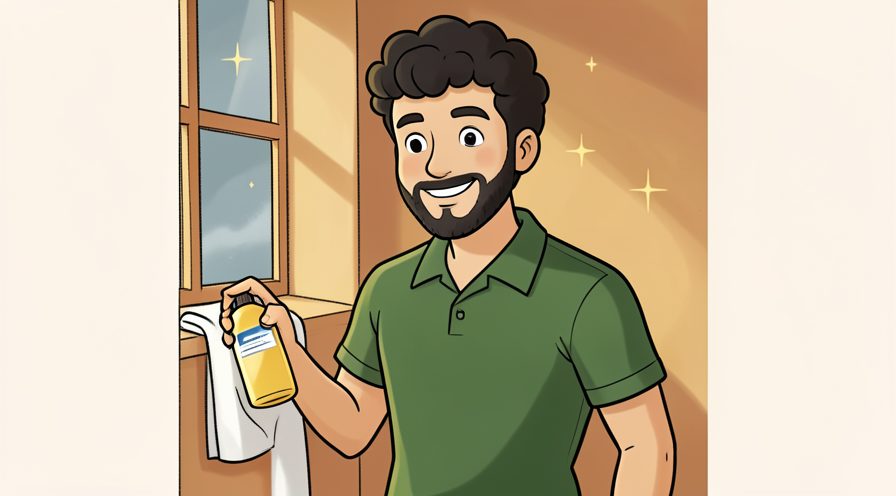
Step 17: Reapply after heavy sweating
Sweat and wiping break the film. Use a timer or a quick count rather than guessing, especially on your first few attempts.

Step 18: Reapply right after towel drying
A towel removes most of what was on the skin. Repeat the same motion at a steady pace rather than varying it, which keeps the finish consistent.
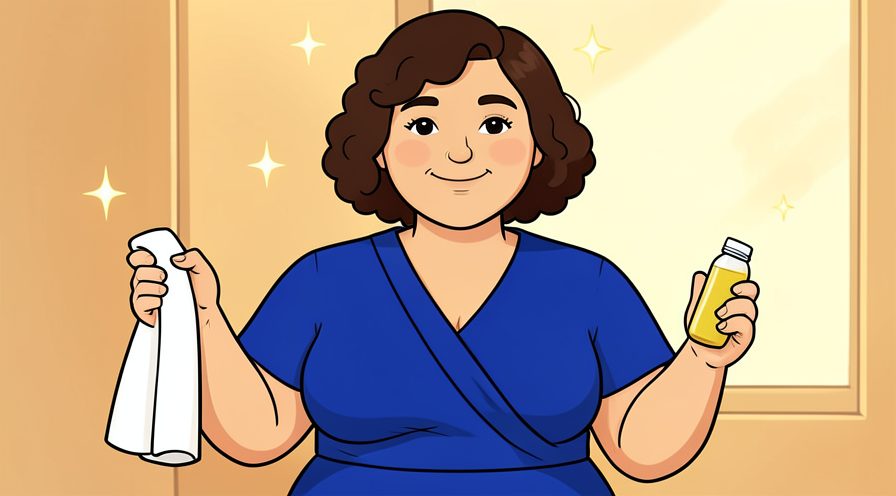
Step 19: Use a spray or powder only as a top-up
They are convenient over makeup but hard to dose, so rub the spray in to form an even film. Finish with a quick check of the whole area rather than only the part you just handled.
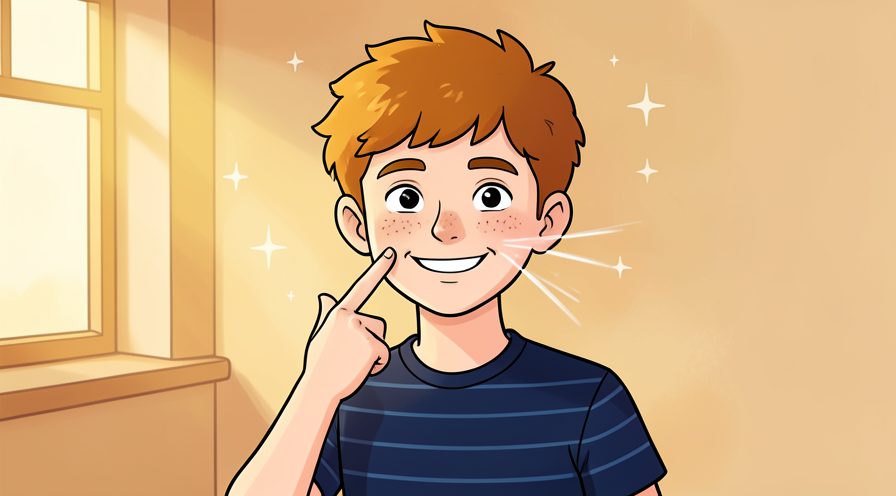
Step 20: Pair sunscreen with a wide brim hat
Shade protects the areas product often misses. If conditions are different today, adjust one thing at a time and leave everything else unchanged.

Step 21: Seek shade in the middle of the day
UV is strongest when the sun is highest. Give this stage a couple of minutes before moving on, because rushing here is the usual reason your sunscreen ends up uneven.
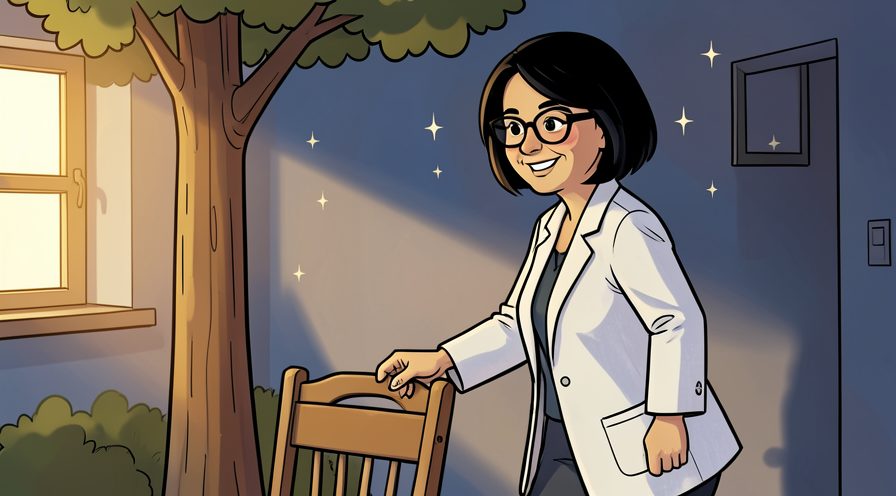
Step 22: Check the UV index in the morning
A high index day needs more diligent reapplication. Finish with a quick check of the whole area rather than only the part you just handled.
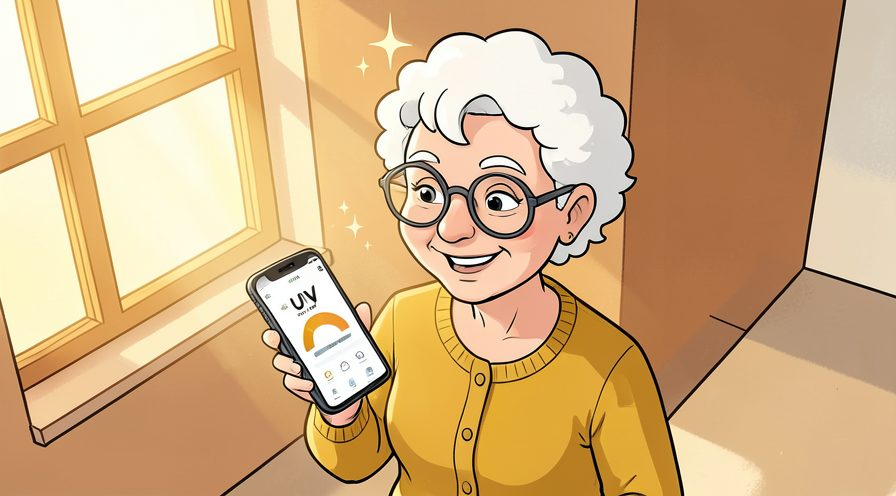
Step 23: Keep wearing it on cool or cloudy days
Temperature is not a measure of UV exposure. Photograph or jot down the finished stage once, which gives you a reference for the next attempt.
Keep going: How to Shape Your Eyebrows at Home uses the same illustrated format and is a good next read. More checklists live in the Beauty & Style category.
Tips
- For the face, a rough guide is two finger lengths of product; for the body, about a shot glass full.
- Dot sunscreen across the skin first, then spread, so coverage is even rather than one thick patch. For another walkthrough, see How to Apply Foundation Evenly.
- Sunscreen is the last step of a morning skincare routine but goes before makeup.
Warnings
- Do not rely on sunscreen alone for a long day outside; shade, clothing, and a hat matter just as much. Official guidance: American Academy of Dermatology.
- Check with a clinician about any changing or unusual spot on your skin.
Frequently asked questions
Do I need it on cloudy days? Yes, UV still reaches the ground through cloud.
Is a spray as good as a lotion? Only if you apply enough and rub it in; lotion is easier to judge.
Does makeup with SPF count? Usually not, since the amount applied is far too small.
References
- American Academy of Dermatology — everyday skin care. https://www.aad.org/public/everyday-care
- American Academy of Dermatology — skin health. https://www.aad.org/
- Skin Cancer Foundation — sun protection. https://www.skincancer.org/
- WebMD — skin and beauty reference. https://www.webmd.com/
- U.S. Centers for Disease Control and Prevention — sun safety. https://www.cdc.gov/
Every guide is reviewed against its sources. See our editorial policy.

Reader comments
0 so farFinished this guide? Tell other readers what worked, what didn't, and what you would change.