Minimum payments are designed to keep a balance alive for years, so progress feels slow even when you pay on time. The way out is concentration: pay every minimum automatically, then send all extra money to a single card. Choosing the highest interest rate first saves the most over time.
This guide builds the list, sets up the payment system, and keeps it going through the months when motivation drops. This is general education, not personal financial advice.
How to use this guide
Work through the illustrated steps in order. Every step has its own picture, so you can check what a finished stage should look like before you move on. If you only have a minute, skim the Quick steps box above and come back for the details.
Related guides
- How to Build an Emergency Fund
- How to Improve Your Credit Score
- How to Start Investing with Little Money
- How to Make a Budget
- Browse all Money & Finance guides
- All HowCompass guides
Trusted external resources
- Consumer Financial Protection Bureau — budgeting tools
- USA.gov — managing money
- Federal Reserve — consumer information
A note on sources
We check each guide against the official resources listed in References at the end of this article. External links open in a new tab; the related guides above stay on this site.
Quick steps
- List every card with balance, interest rate, and minimum payment
- Automate all minimums, then put every extra payment toward one target card
- Stop adding new charges while the plan is running
Things you'll need
- Your latest card statements
- A monthly budget
- Online banking with autopay
- A simple spreadsheet or notebook
- A calendar of due dates
Step-by-step
Method 1 of 2: Build the Full Picture :: One honest page of numbers makes the rest mechanical.
Step 1: Gather every card statement
Include store cards and any old account with a small balance. Finish with a quick check of the whole area rather than only the part you just handled.

Step 2: Write the balance, rate, and minimum for each
Three numbers per card are enough for a clear plan. A slightly imperfect result here is fine and can be corrected later; a rushed fix usually costs more time.

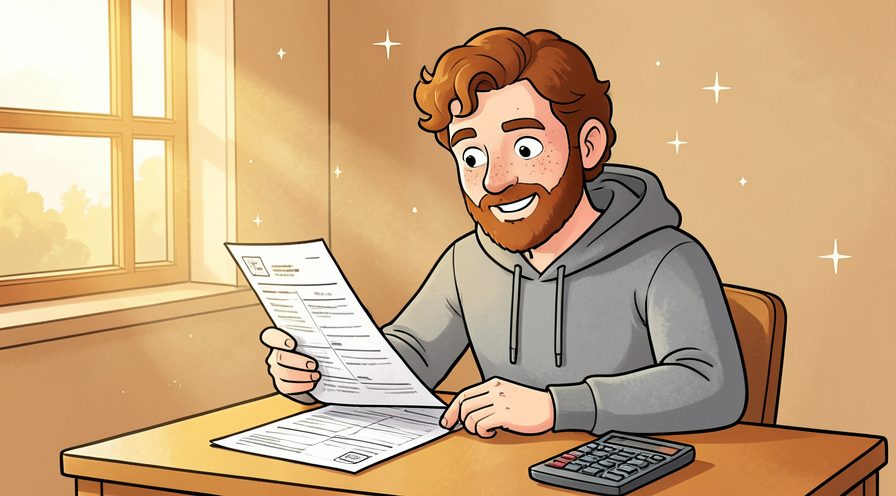
Step 3: Add up the total owed
One number makes the goal concrete. When in doubt, pause and compare against the picture above before continuing.

Step 4: Note each due date
A missed payment can cost a fee and a rate increase. Use a light touch first; pressure and extra material are much easier to add than to remove.

Step 5: Check for annual fees and penalties
These change which balance is most expensive. Read the label or the guidance for your debt once before acting, since small differences matter here.

Step 6: Stop adding new charges
Leave the cards at home while the plan runs. Keep everything you might need within reach before starting, so you are not searching mid-step.

Step 7: Find a small monthly extra amount
Work out what is left after essentials and minimums. Note what you changed, because the same adjustment usually applies the next time you work on your debt.

Step 8: Build a small cash buffer
Even a few hundred stops an emergency becoming new debt. If conditions are different today, adjust one thing at a time and leave everything else unchanged.

Step 9: Pick one target card
Highest interest first saves the most money overall. Keep the same order every time, since a fixed sequence is easier to repeat than a list of separate decisions.
Keep going: How to Improve Your Credit Score uses the same illustrated format and is a good next read. More checklists live in the Money & Finance category.

Method 2 of 2: Run the Plan Every Month :: Consistency is the entire strategy.
Step 10: Set every card to automatic minimum payment
Automation protects your record and frees attention. Stop and tidy up as soon as this part is done, so the next stage starts from a clear surface.

Step 11: Schedule the extra payment on payday
Sending it first stops the money disappearing. Work in small passes and look at the result after each one, so a slip is easy to fix while it is still small.

Step 12: Send all extras to the target only
Splitting spare money across cards slows visible progress. Put the tools back in the same place afterward, so the next session starts without a search.

Step 13: Keep paying minimums on the others
Never redirect a minimum to the target. If you are unsure, do less than you think you need and check again; you can always repeat the step.

Step 14: Consider asking for a lower interest rate
A short call can reduce the interest on the largest balance. Let it settle for a moment before judging the result, since the first impression often changes.

Step 15: Read balance transfer terms carefully
Add up the fee and the date the promotional rate ends. Repeat the same motion at a steady pace rather than varying it, which keeps the finish consistent.

Step 16: Use windfalls as lump payments
Refunds and bonuses shorten the plan without touching the monthly budget. Give this stage a couple of minutes before moving on, because rushing here is the usual reason your debt ends up uneven.

Step 17: Cut one recurring expense temporarily
A single trimmed bill becomes a permanent extra payment. Use a timer or a quick count rather than guessing, especially on your first few attempts.

Step 18: Update the balances once a month
Watching the target fall keeps the plan believable. Choose the gentlest option that still works, then increase only if the result is not holding.

Step 19: Roll the freed payment into the next target
When one card clears, the whole amount moves to the next. Photograph or jot down the finished stage once, which gives you a reference for the next attempt.

Step 20: Avoid skipping a month
A paused extra payment is fine only if the minimums still run. Check the edges and the parts you cannot see easily; those are where most beginners miss something.

Step 21: Mark a milestone at each cleared card
A small acknowledgement helps you keep going. Work in small passes and look at the result after each one, so a slip is easy to fix while it is still small.

Step 22: Keep the cleared card open if there is no fee
Available credit and account age both help your credit file. Give this stage a couple of minutes before moving on, because rushing here is the usual reason your debt ends up uneven.

Step 23: Review the whole plan after three months
Adjust the extra amount if your income or costs changed. Repeat the same motion at a steady pace rather than varying it, which keeps the finish consistent.

Step 24: Move the debt payment into savings afterwards
The same amount can build a buffer once the balance is gone. Use a light touch first; pressure and extra material are much easier to add than to remove.
Keep going: How to Start Investing with Little Money uses the same illustrated format and is a good next read. More checklists live in the Money & Finance category.

Tips
- Target the highest interest rate first for the lowest total cost; if you need an early win, clear the smallest balance first instead.
- Call the issuer and ask for a lower rate; a polite request sometimes works, especially with a clean payment history. For another walkthrough, see How to Build an Emergency Fund.
- Keep a small cash buffer so an unexpected cost does not go straight back onto a card.
Warnings
- Be cautious with balance transfer offers, since the fee and the end of the promotional period can cost more than they save. Official guidance: Consumer Financial Protection Bureau.
- Avoid debt settlement companies that ask you to stop paying your creditors, which can damage your credit badly.
Frequently asked questions
Which method is better? Highest interest first costs least; smallest balance first feels more motivating. Choose the one you will stick with.
Should I stop using the cards? Yes, at least temporarily, or the balance grows as fast as you pay it down.
How long will it take? Divide your total by your monthly extra payment for a rough floor, then add interest.
References
- Consumer Financial Protection Bureau — budgeting tools. https://www.consumerfinance.gov/consumer-tools/budgeting/
- USA.gov — managing money. https://www.usa.gov/money
- Federal Reserve — consumer information. https://www.federalreserve.gov/
- FINRA — investor education. https://www.finra.org/
- FDIC — consumer and deposit resources. https://www.fdic.gov/
Every guide is reviewed against its sources. See our editorial policy.


Reader comments
0 so farFinished this guide? Tell other readers what worked, what didn't, and what you would change.