Applicants often try to sound impressive and end up sounding like everyone else. The essays that stick usually describe a small, specific moment and then show how the writer's thinking changed. Admissions readers are looking for a person, not a list of achievements in prose.
This guide takes you from choosing the right moment through a rough draft, then through the revision pass that turns a decent story into a clear essay.
How to use this guide
Work through the illustrated steps in order. Every step has its own picture, so you can check what a finished stage should look like before you move on. If you only have a minute, skim the Quick steps box above and come back for the details.
Related guides
- How to Take Better Notes in Class
- How to Manage Your Time as a Student
- How to Read a Textbook Effectively
- How to Study for a Test
- Browse all Education guides
- All HowCompass guides
Trusted external resources
- Khan Academy — free lessons and practice
- Purdue Online Writing Lab — study and writing resources
- ETS — test preparation guidance
A note on sources
We check each guide against the official resources listed in References at the end of this article. External links open in a new tab; the related guides above stay on this site.
Quick steps
- Pick one specific moment rather than your whole life story
- Write a messy first draft without editing at the same time
- Spend most of your revision on the reflection, not the description
Things you'll need
- The application prompt and word limit
- A notebook for brainstorming
- A laptop or paper for drafting
- A calendar with the deadline
- One trusted reader
- A quiet hour for revision
Step-by-step
Method 1 of 3: Find the Right Small Story
Step 1: Read the prompt and underline its verbs
Words like describe, reflect, or explain tell you what the reader wants. When in doubt, pause and compare against the picture above before continuing.

Step 2: Note the exact word limit
A tight limit changes how much scene you can afford. Note what you changed, because the same adjustment usually applies the next time you work on your essay.
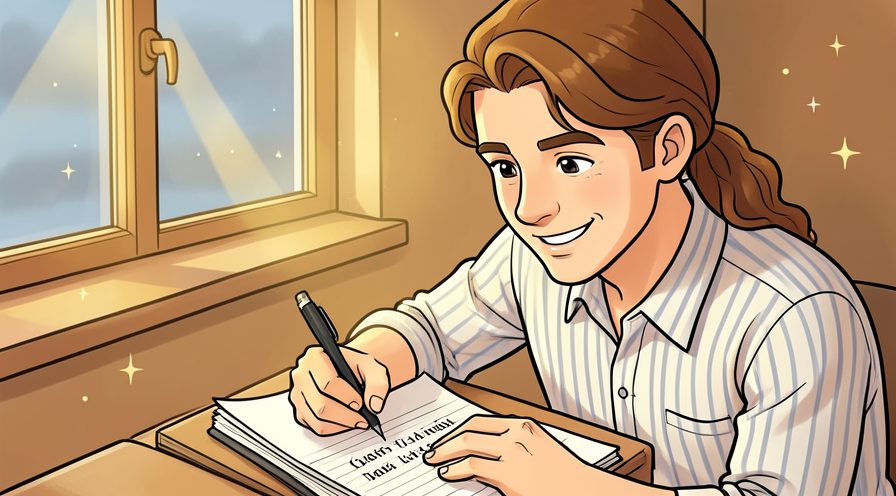
Step 3: List ten small moments from the last two years
Aim for scenes with a specific place and a decision, not general achievements. Use a timer or a quick count rather than guessing, especially on your first few attempts.
Step 4: Circle two with a real change in thinking
The essay needs a before and after, however quiet. If you are unsure, do less than you think you need and check again; you can always repeat the step.
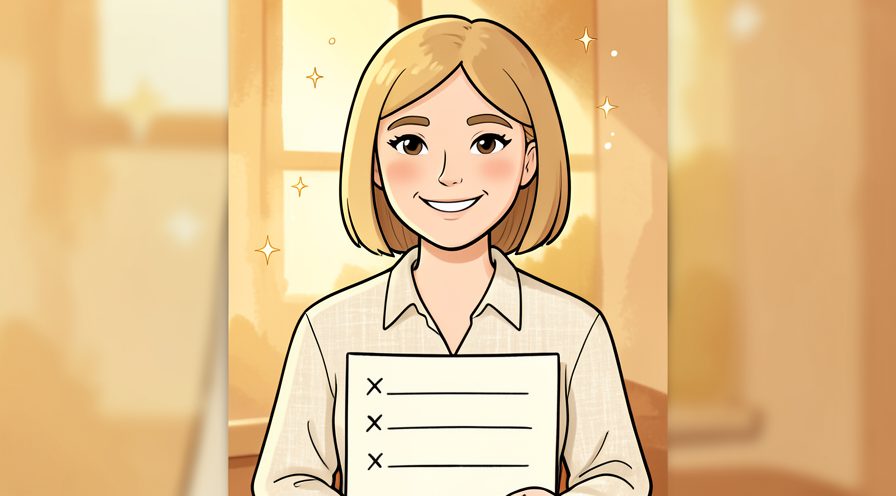
Step 5: Write three sentences about what you believed before
Naming the starting point makes the shift visible. Photograph or jot down the finished stage once, which gives you a reference for the next attempt.
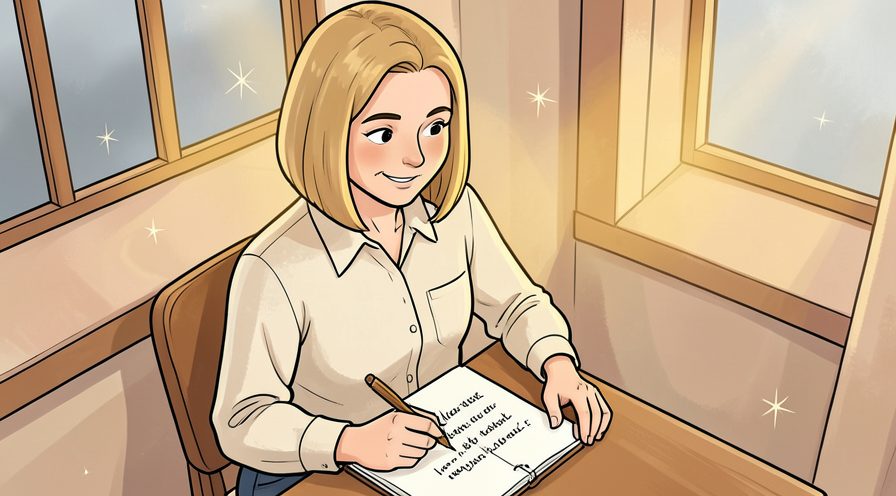
Step 6: Write three sentences about what you believe now
Keep it plain, since a huge lesson usually sounds forced. Keep everything you might need within reach before starting, so you are not searching mid-step.

Step 7: Test the story for specificity
If you cannot name where you were standing, it is probably too broad. A slightly imperfect result here is fine and can be corrected later; a rushed fix usually costs more time.
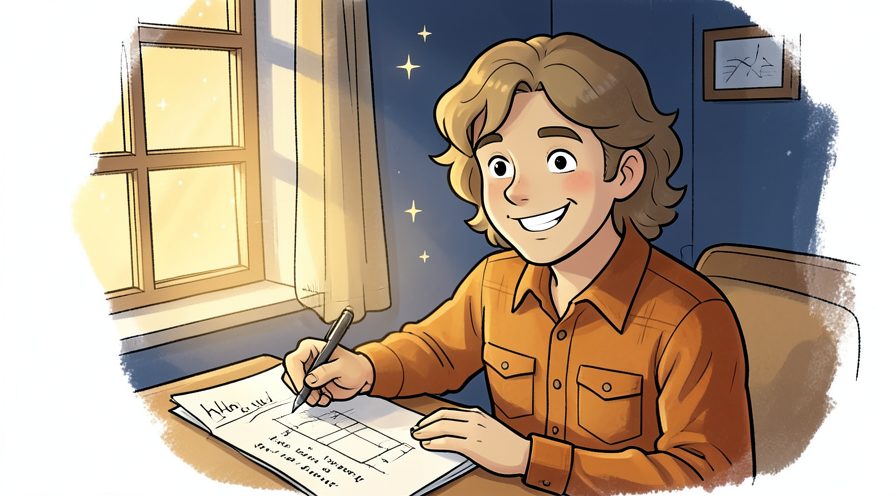
Step 8: Choose the moment you can tell honestly
A modest true story that is not just repeating your activities list reads better than a polished borrowed one. Let it settle for a moment before judging the result, since the first impression often changes.
Keep going: How to Manage Your Time as a Student uses the same illustrated format and is a good next read. More checklists live in the Education category.

Method 2 of 3: Draft the Whole Thing Without Editing :: Get a complete messy version down before improving any single paragraph.
Step 9: Open with the moment already in progress
A concrete action pulls the reader in faster than a theme statement. Repeat the same motion at a steady pace rather than varying it, which keeps the finish consistent.
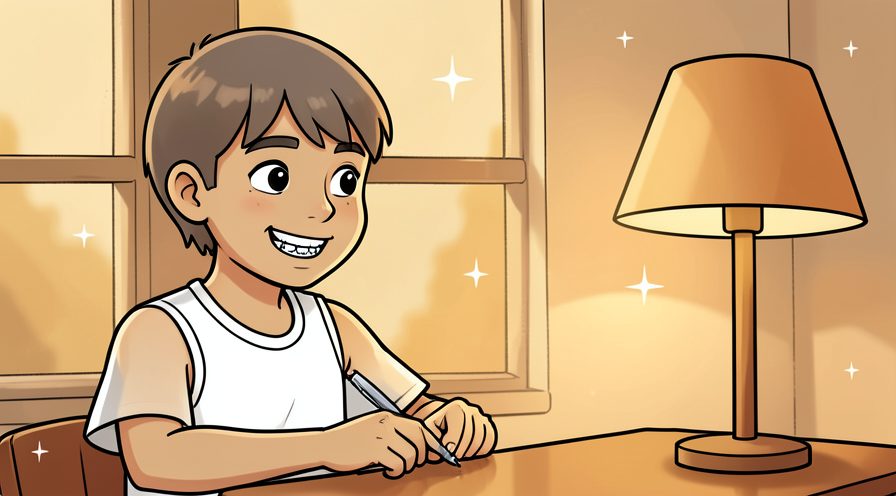
Step 10: Write the scene in a few sensory details
Two or three details are enough to place the reader in the room. Finish with a quick check of the whole area rather than only the part you just handled.

Step 11: Include what you actually did
Show a decision or a mistake instead of summarising your character. If conditions are different today, adjust one thing at a time and leave everything else unchanged.
Step 12: Keep the first draft long
Extra material is easier to cut than to invent under pressure. Put the tools back in the same place afterward, so the next session starts without a search.
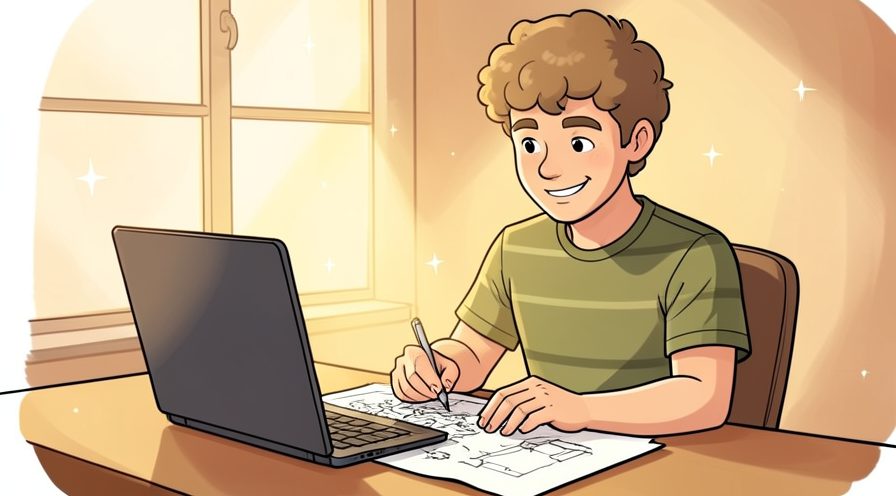
Step 13: Add the turn where your thinking shifted
One honest sentence about noticing something different carries the essay. Keep the same order every time, since a fixed sequence is easier to repeat than a list of separate decisions.

Step 14: Write a plain ending
Avoid a grand conclusion that restates a lesson the story already showed. Give this stage a couple of minutes before moving on, because rushing here is the usual reason your essay ends up uneven.
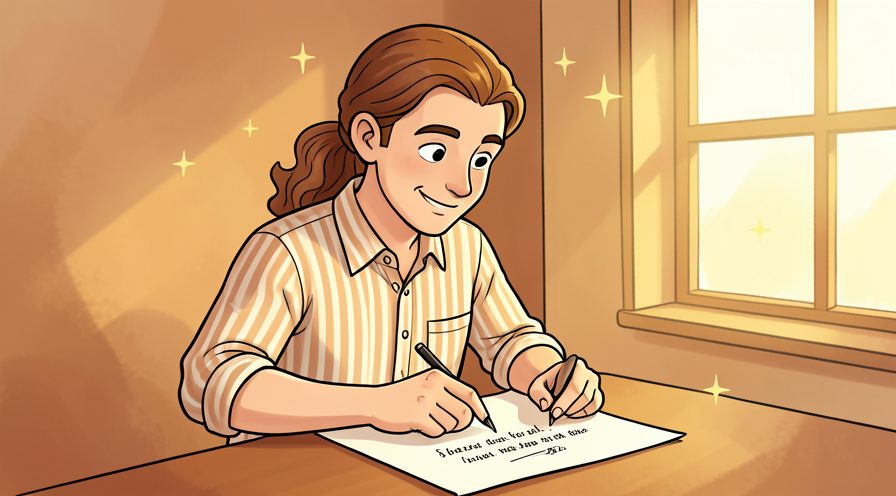
Step 15: Do not reread while drafting
Editing and generating at the same time stalls most people. Stop and tidy up as soon as this part is done, so the next stage starts from a clear surface.

Step 16: Save the file with a version number
Labelling drafts makes it easy to return to a stronger earlier line. Work in small passes and look at the result after each one, so a slip is easy to fix while it is still small.
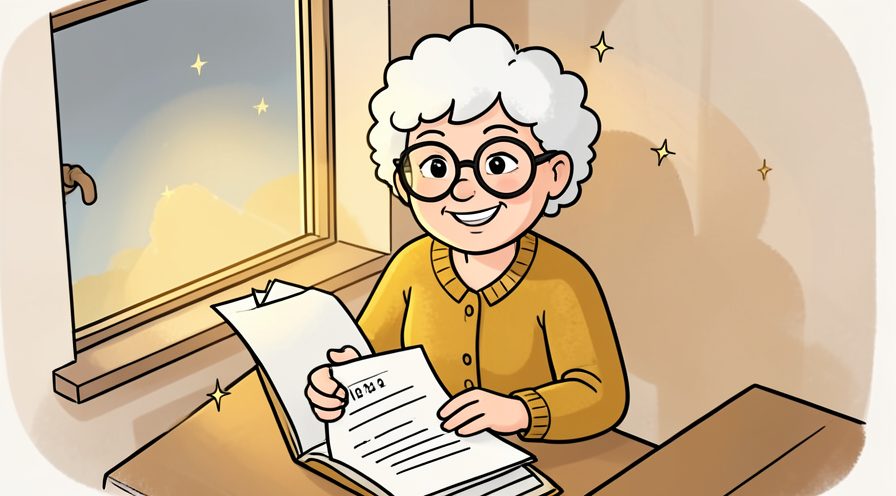
Step 17: Step away for a full day
Distance makes weak sentences and missing logic obvious. Check the edges and the parts you cannot see easily; those are where most beginners miss something.
Keep going: How to Read a Textbook Effectively uses the same illustrated format and is a good next read. More checklists live in the Education category.

Method 3 of 3: Revise for Reflection and Fit
Step 18: Read the whole draft aloud once
Flat or inflated phrasing stands out immediately in your own voice. Read the label or the guidance for your essay once before acting, since small differences matter here.
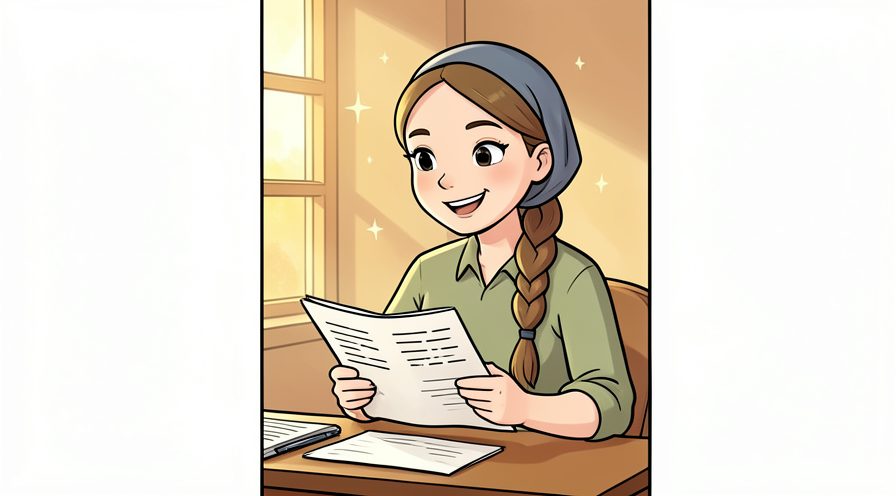
Step 19: Underline every sentence of reflection
If there are only one or two, the essay is mostly scene and no insight. Choose the gentlest option that still works, then increase only if the result is not holding.
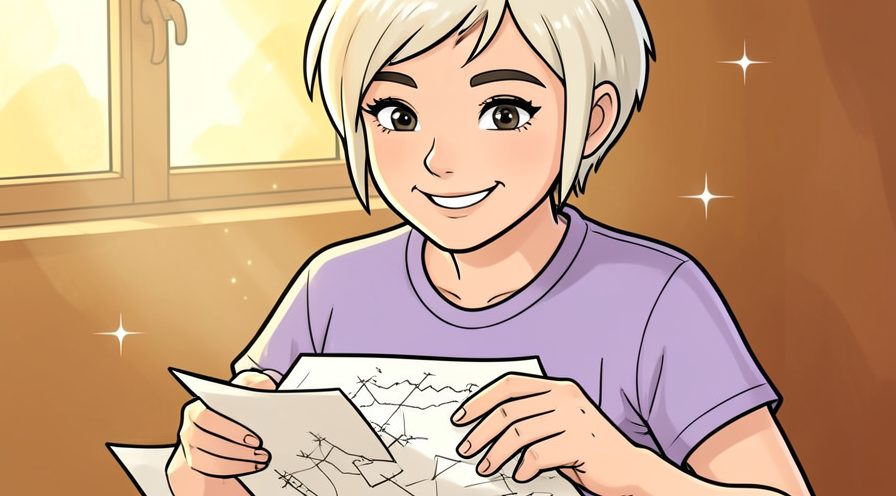
Step 20: Cut description that does not lead to a change
Background that never pays off is the easiest place to find words. Use a light touch first; pressure and extra material are much easier to add than to remove.
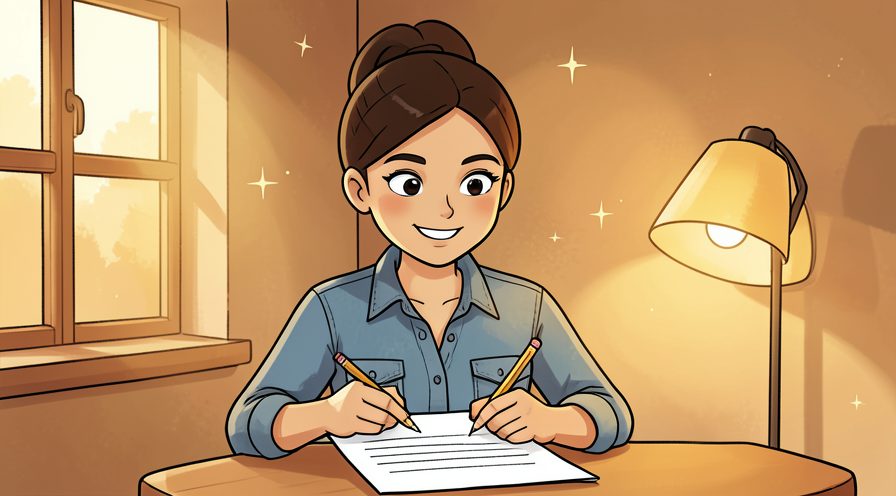
Step 21: Replace general claims with a specific image
"I became more patient" is weaker than one small thing you did differently. Note what you changed, because the same adjustment usually applies the next time you work on your essay.

Step 22: Check the opening earns the ending
The final line should answer something the first line set up. Work in small passes and look at the result after each one, so a slip is easy to fix while it is still small.
Step 23: Remove impressive sounding vocabulary
Plain words in your own voice are more convincing. Keep everything you might need within reach before starting, so you are not searching mid-step.

Step 24: Verify the essay answers the actual prompt
A good essay that answers a different question still misses. Let it settle for a moment before judging the result, since the first impression often changes.

Step 25: Check the word count against the limit
Trim whole sentences rather than shaving words everywhere. Use a light touch first; pressure and extra material are much easier to add than to remove.
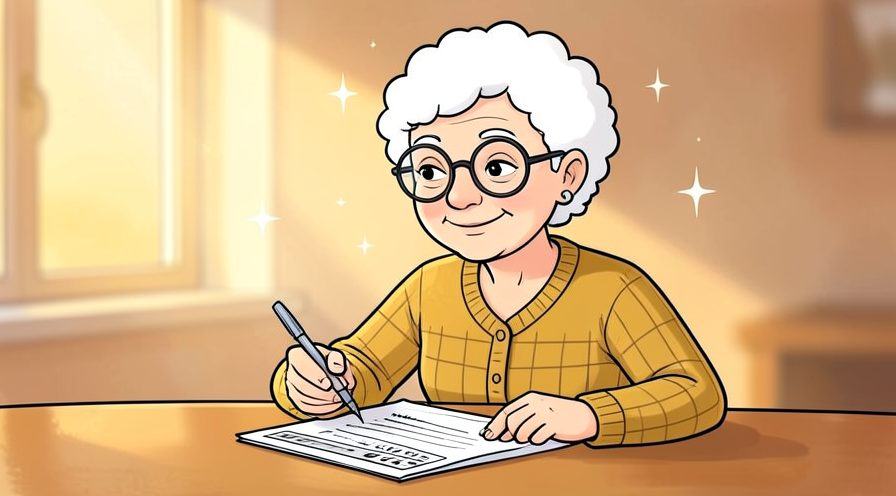
Step 26: Ask one trusted reader what they think the essay says
Their summary reveals whether your point actually landed. If conditions are different today, adjust one thing at a time and leave everything else unchanged.
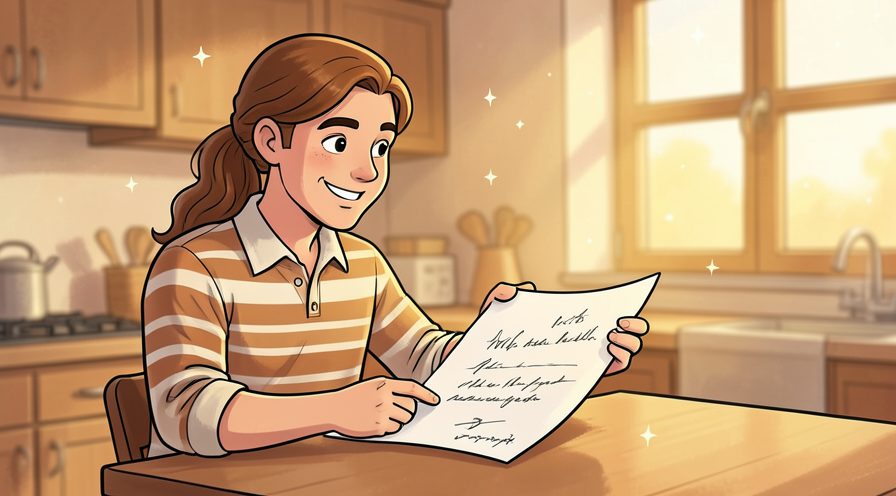
Step 27: Proofread on paper, not only on screen
A printed page exposes repeated words and missing commas. Use a timer or a quick count rather than guessing, especially on your first few attempts.
Step 28: Submit a day before the deadline
A buffer protects against upload problems and last minute panic. Repeat the same motion at a steady pace rather than varying it, which keeps the finish consistent.
Keep going: How to Study for a Test uses the same illustrated format and is a good next read. More checklists live in the Education category.
Tips
- If a sentence could appear in another applicant's essay, cut it or make it more specific.
- Start in the middle of the moment rather than with a broad statement about yourself. For another walkthrough, see How to Take Better Notes in Class.
- Read the draft aloud once, since your ear catches flat or inflated language that your eyes skip.
Warnings
- Do not let an adult or a service rewrite the essay in their voice; admissions officers notice when the prose does not match the application. Official guidance: Khan Academy.
- Check each school's prompt and word limit separately, since reusing a mismatched answer is an easy own goal.
Frequently asked questions
How personal should it be? Personal enough to be specific, but you choose what to share; no topic requires disclosing trauma.
Can it be about a common activity? Yes, if the reflection is yours and the moment is small and concrete.
How many drafts? Usually three or four, with the biggest changes in the second one.
References
- Khan Academy — free lessons and practice. https://www.khanacademy.org/
- Purdue Online Writing Lab — study and writing resources. https://owl.purdue.edu/
- ETS — test preparation guidance. https://www.ets.org/
- American Psychological Association — learning and memory. https://www.apa.org/
- UC Berkeley Greater Good Magazine — learning research. https://greatergood.berkeley.edu/
Every guide is reviewed against its sources. See our editorial policy.

Reader comments
0 so farFinished this guide? Tell other readers what worked, what didn't, and what you would change.