Memorising lists of single words rarely survives a week, because a word without a context has nothing to attach to. Learning "make a decision" instead of just "decision" gives you something you can actually say. A small daily set, used once in your own sentence and reviewed a few times over the following weeks, is the part that works.
This guide sets up a simple word system, gets the words into active use, and builds a review rhythm that keeps them.
How to use this guide
Work through the illustrated steps in order. Every step has its own picture, so you can check what a finished stage should look like before you move on. If you only have a minute, skim the Quick steps box above and come back for the details.
Related guides
- How to Take Better Notes in Class
- How to Write a College Essay
- How to Manage Your Time as a Student
- How to Study for a Test
- Browse all Education guides
- All HowCompass guides
Trusted external resources
- Khan Academy — free lessons and practice
- Purdue Online Writing Lab — study and writing resources
- ETS — test preparation guidance
A note on sources
We check each guide against the official resources listed in References at the end of this article. External links open in a new tab; the related guides above stay on this site.
Quick steps
- Learn five to eight high-frequency words or phrases a day, not isolated rare words
- Write one sentence of your own for each and say it aloud
- Review on day one, day three, and the following week
Things you'll need
- A notebook or flashcard app
- A learner's dictionary
- One graded reader, podcast, or series
- A phone for audio pronunciation
- A short daily slot
Step-by-step
Method 1 of 3: Choose Words Worth Keeping :: The selection decides most of the result.
Step 1: Set a clear reason for learning
Exams, work email, or conversation need different word sets. If conditions are different today, adjust one thing at a time and leave everything else unchanged.
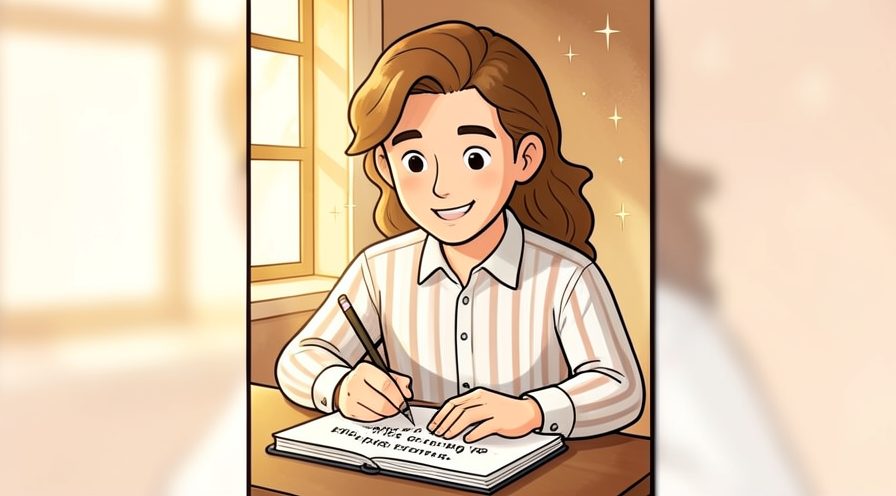
Step 2: Pick one main source of input
A graded reader, a series, or a podcast gives words in context. Note what you changed, because the same adjustment usually applies the next time you work on your vocabulary.

Step 3: Prefer high-frequency words
Common words appear again soon, which supplies free review. If you are unsure, do less than you think you need and check again; you can always repeat the step.

Step 4: Collect words you have met twice
Repeated encounters mean the word is genuinely useful to you. Work in small passes and look at the result after each one, so a slip is easy to fix while it is still small.

Step 5: Limit the daily set to five to eight
A small pile is one you will actually review. Choose the gentlest option that still works, then increase only if the result is not holding.

Step 6: Record the whole phrase, not just the headword
Prepositions and collocations are part of the word. Use a light touch first; pressure and extra material are much easier to add than to remove.
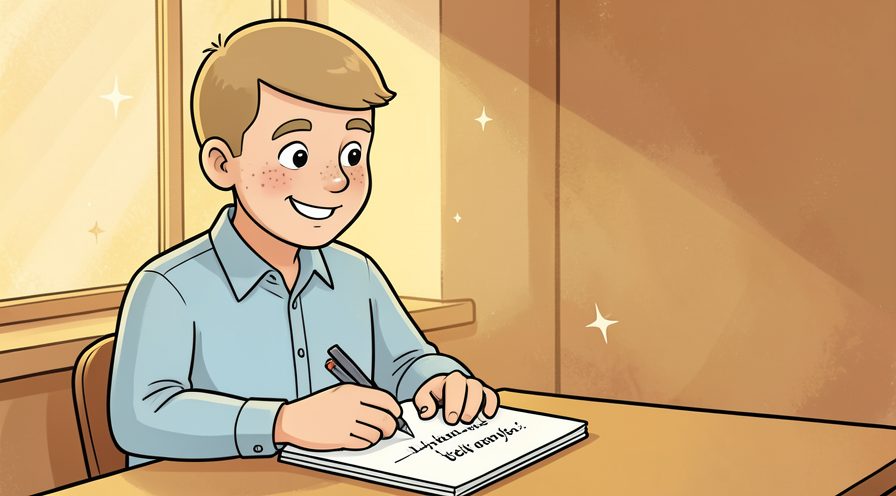
Step 7: Add one plain English meaning
Keep it short enough to reread in a second. Put the tools back in the same place afterward, so the next session starts without a search.

Step 8: Check the pronunciation and stress
Listen once and mark the stressed syllable. Photograph or jot down the finished stage once, which gives you a reference for the next attempt.

Step 9: Write one sentence about your own day
Personal examples stick far better than copied ones. Check the edges and the parts you cannot see easily; those are where most beginners miss something.

Step 10: Note the register if it is formal or casual
A learner's dictionary labels words that would sound odd in speech. Let it settle for a moment before judging the result, since the first impression often changes.
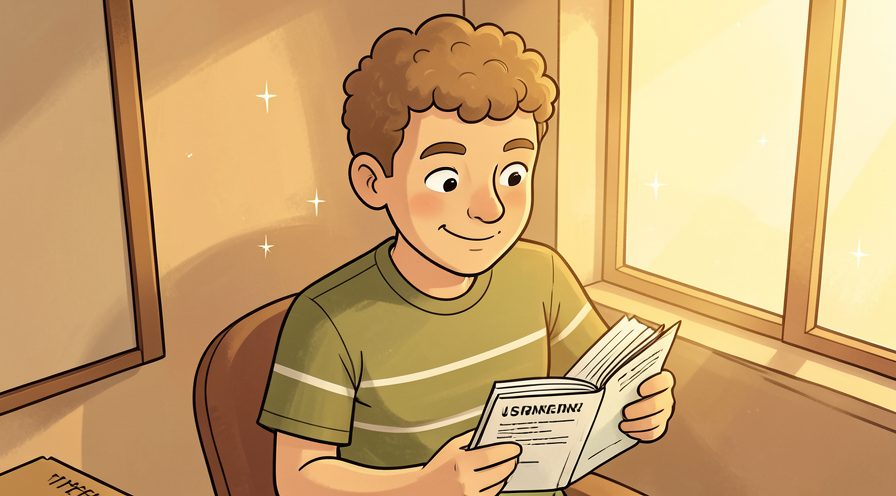
Step 11: Add one word family member
Decide, decision, and decisive are learned together efficiently. Read the label or the guidance for your vocabulary once before acting, since small differences matter here.

Step 12: Mark the word with a source
A short note of where you saw it helps you recall the context. Stop and tidy up as soon as this part is done, so the next stage starts from a clear surface.

Step 13: Choose a fixed daily slot
Ten minutes at the same time is easier than an hour occasionally. A slightly imperfect result here is fine and can be corrected later; a rushed fix usually costs more time.

Step 14: Set three review dates
Day one, day three, and next week are enough to start. Repeat the same motion at a steady pace rather than varying it, which keeps the finish consistent.

Step 15: Keep the notebook layout identical every day
A stable format makes review fast. Use a timer or a quick count rather than guessing, especially on your first few attempts.
Keep going: How to Write a College Essay uses the same illustrated format and is a good next read. More checklists live in the Education category.

Method 2 of 3: Put the Words to Work Immediately :: Use beats recognition, so make each word do something.
Step 16: Say each new phrase aloud three times
The mouth needs the same practice as the eye. Give this stage a couple of minutes before moving on, because rushing here is the usual reason your vocabulary ends up uneven.

Step 17: Use one new word in a real message
A text or an email counts as genuine use. Finish with a quick check of the whole area rather than only the part you just handled.

Step 18: Write three varied sentences
Change the subject and tense rather than copying once. Keep the same order every time, since a fixed sequence is easier to repeat than a list of separate decisions.

Step 19: Shadow a short audio clip
Repeat along with a speaker to copy rhythm and stress. When in doubt, pause and compare against the picture above before continuing.

Step 20: Read one page and hunt for your words
Finding a word in the wild confirms it is worth knowing. Keep everything you might need within reach before starting, so you are not searching mid-step.

Step 21: Listen once with a transcript, once without
The second pass shows what you actually recognise. When in doubt, pause and compare against the picture above before continuing.

Step 22: Teach one word to someone else
A simple explanation exposes gaps in your understanding. Keep everything you might need within reach before starting, so you are not searching mid-step.

Step 23: Keep a "words I noticed" list
Words you spotted but did not learn yet are candidates for next week. Keep the same order every time, since a fixed sequence is easier to repeat than a list of separate decisions.

Step 24: End the day by recalling without looking
Try to produce three phrases from memory. If conditions are different today, adjust one thing at a time and leave everything else unchanged.
Keep going: How to Manage Your Time as a Student uses the same illustrated format and is a good next read. More checklists live in the Education category.

Method 3 of 3: Review, Prune, and Expand :: A light rhythm keeps the pile useful instead of overwhelming.
Step 25: Review yesterday's set first
A one day gap is the highest value repetition. If you are unsure, do less than you think you need and check again; you can always repeat the step.

Step 26: Test yourself phrase to meaning
Cover the definition and produce it before checking. Let it settle for a moment before judging the result, since the first impression often changes.

Step 27: Say the phrase, do not just recognise it
Production is a different skill from reading. Use a light touch first; pressure and extra material are much easier to add than to remove.

Step 28: Retire words you use without effort
Keeping mastered cards wastes review time. A slightly imperfect result here is fine and can be corrected later; a rushed fix usually costs more time.

Step 29: Bring back anything you missed
Move it to tomorrow's short pile. Work in small passes and look at the result after each one, so a slip is easy to fix while it is still small.

Step 30: Learn a few prefixes and roots
They help you guess unfamiliar words while reading. Repeat the same motion at a steady pace rather than varying it, which keeps the finish consistent.

Step 31: Watch for false friends
Words that look like your first language often mean something else. Put the tools back in the same place afterward, so the next session starts without a search.

Step 32: Use a learner's dictionary for one word daily
Simple English definitions build independence from translation. Note what you changed, because the same adjustment usually applies the next time you work on your vocabulary.
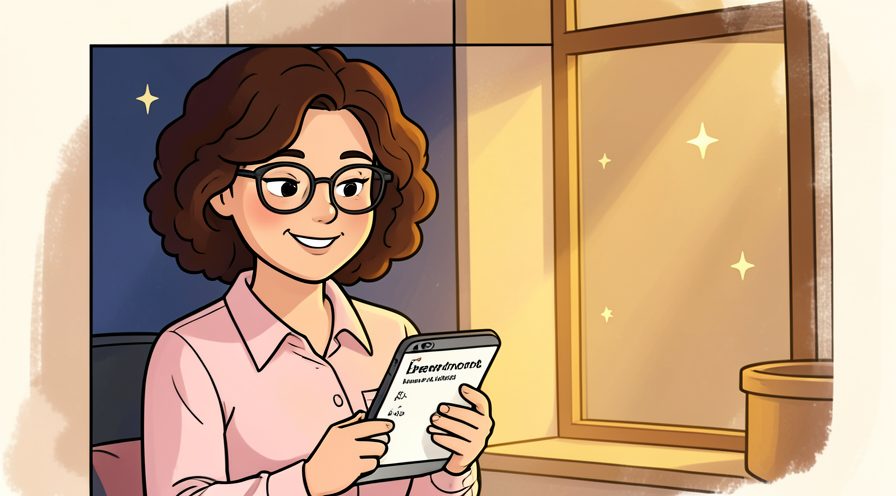
Step 33: Read something slightly harder once a week
A small stretch introduces new words in a real context. Choose the gentlest option that still works, then increase only if the result is not holding.

Step 34: Check the month's pile for dead weight
Remove words you no longer care about. Use a timer or a quick count rather than guessing, especially on your first few attempts.

Step 35: Note progress in one line a month
A short record is motivating when improvement feels slow. Check the edges and the parts you cannot see easily; those are where most beginners miss something.
Keep going: How to Study for a Test uses the same illustrated format and is a good next read. More checklists live in the Education category.

Tips
- Record the phrase around a word, since "depend on" and "responsible for" are worth as much as the headword.
- Choose words you have actually encountered twice; they are far easier to retain than list words. For another walkthrough, see How to Take Better Notes in Class.
- Keep the example sentence about your own life, because personal context is memorable.
Warnings
- Avoid filling notebooks with dozens of words a day; an unmanageable review pile usually ends the habit. Official guidance: Khan Academy.
- Check register in a learner's dictionary, since some words sound very formal or old-fashioned in conversation.
Frequently asked questions
How many words a day? Five to eight used actively is plenty for most learners.
Should I use translation? Early on it helps, but add a simple English definition as soon as you can.
When will I notice progress? Usually after three or four weeks of steady review.
References
- Khan Academy — free lessons and practice. https://www.khanacademy.org/
- Purdue Online Writing Lab — study and writing resources. https://owl.purdue.edu/
- ETS — test preparation guidance. https://www.ets.org/
- American Psychological Association — learning and memory. https://www.apa.org/
- UC Berkeley Greater Good Magazine — learning research. https://greatergood.berkeley.edu/
Every guide is reviewed against its sources. See our editorial policy.



Reader comments
0 so farFinished this guide? Tell other readers what worked, what didn't, and what you would change.