Credit scores look mysterious but they are mostly a record of two habits: paying on time and using a small share of the credit you have been given. Quick-fix products cannot change that history, but a few deliberate changes show up within a couple of statement cycles. Start by making sure the record is actually correct.
This guide repairs the file first, builds better payment and balance habits, then covers the slower moves that add stability over the following year.
How to use this guide
Work through the illustrated steps in order. Every step has its own picture, so you can check what a finished stage should look like before you move on. If you only have a minute, skim the Quick steps box above and come back for the details.
Related guides
- How to Build an Emergency Fund
- How to Start Investing with Little Money
- How to Track Your Spending
- How to Make a Budget
- Browse all Money & Finance guides
- All HowCompass guides
Trusted external resources
- Consumer Financial Protection Bureau — budgeting tools
- USA.gov — managing money
- Federal Reserve — consumer information
A note on sources
We check each guide against the official resources listed in References at the end of this article. External links open in a new tab; the related guides above stay on this site.
Quick steps
- Pull your reports and dispute any error in writing
- Put every account on automatic minimum payment
- Pay down balances to below 30 percent of each limit before the statement date
Things you'll need
- Your credit reports from the official annual report site
- A list of every open account and balance
- Access to online banking
- A calendar or reminders
- A folder for dispute letters
Step-by-step
Method 1 of 2: Fix the Record and Stop New Damage
Step 1: Get your reports from the official source
Use the government authorized annual report site rather than a lookalike. Repeat the same motion at a steady pace rather than varying it, which keeps the finish consistent.

Step 2: Read all three reports line by line
Bureaus can hold different information, so check each one separately. Check the edges and the parts you cannot see easily; those are where most beginners miss something.

Step 3: Flag accounts you do not recognize
An unfamiliar account may be an error or a sign of identity theft. Use a timer or a quick count rather than guessing, especially on your first few attempts.
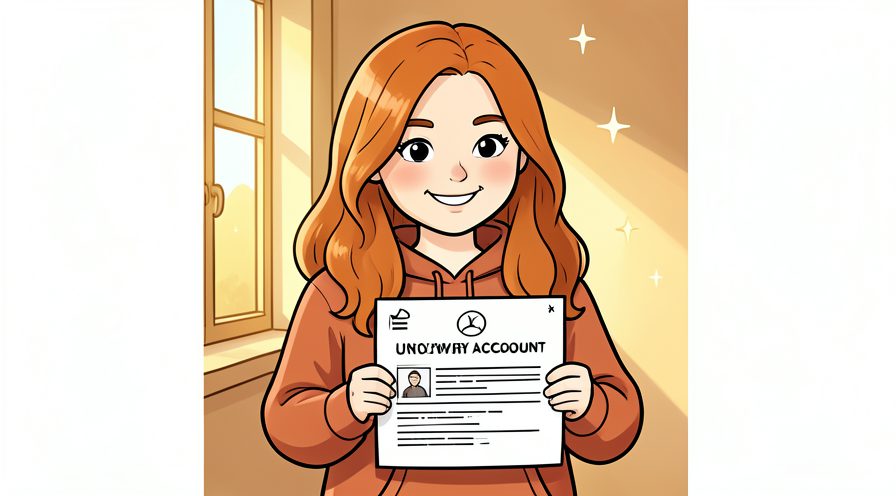
Step 4: Check balances, limits, and payment dates
A wrong limit alone can make your utilization look far worse. When in doubt, pause and compare against the picture above before continuing.
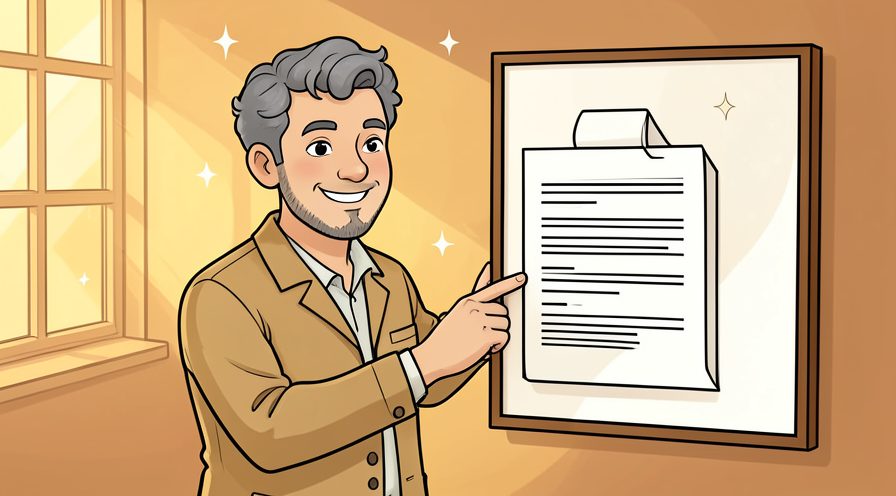
Step 5: Dispute errors in writing with evidence
Include a copy of the statement or receipt and keep your own copy. Read the label or the guidance for your credit score once before acting, since small differences matter here.

Step 6: Confirm corrections after the next cycle
Recheck the specific line rather than assuming the change was applied. Note what you changed, because the same adjustment usually applies the next time you work on your credit score.
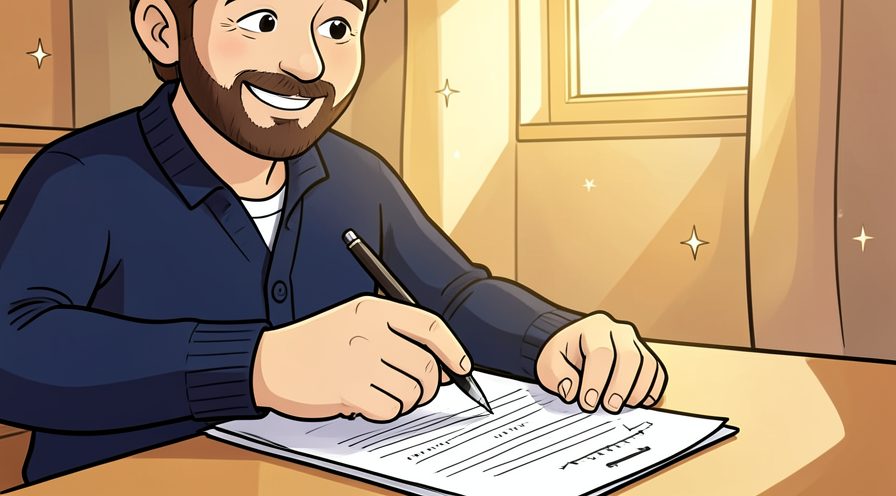
Step 7: List every due date in one place
A single calendar prevents the most common cause of a score drop. Photograph or jot down the finished stage once, which gives you a reference for the next attempt.

Step 8: Turn on automatic minimum payments
Automation protects your record even during a busy or expensive month. Let it settle for a moment before judging the result, since the first impression often changes.

Step 9: Set a reminder a few days before each due date
A cushion lets you fix a failed payment before it is reported late. Use a light touch first; pressure and extra material are much easier to add than to remove.

Step 10: Bring any past due account current immediately
Stopping an ongoing delinquency matters more than any optimization. Work in small passes and look at the result after each one, so a slip is easy to fix while it is still small.

Step 11: Ask for a goodwill adjustment if you have a long clean history
A single late payment is sometimes removed after a polite written request. Put the tools back in the same place afterward, so the next session starts without a search.

Step 12: Avoid applying for credit you do not need
Each hard inquiry has a small temporary cost. Stop and tidy up as soon as this part is done, so the next stage starts from a clear surface.

Step 13: Freeze your file if you suspect fraud
A freeze blocks new accounts without affecting your existing score. A slightly imperfect result here is fine and can be corrected later; a rushed fix usually costs more time.

Step 14: Note your starting score and the date
A baseline makes real progress visible instead of guessed at. If conditions are different today, adjust one thing at a time and leave everything else unchanged.
Keep going: How to Start Investing with Little Money uses the same illustrated format and is a good next read. More checklists live in the Money & Finance category.

Method 2 of 2: Lower Balances and Build a Stable File :: These moves take a little longer but change the numbers scoring models weigh most heavily.
Step 15: Add up every card balance and limit
Two totals give you your overall utilization in one calculation. Keep the same order every time, since a fixed sequence is easier to repeat than a list of separate decisions.
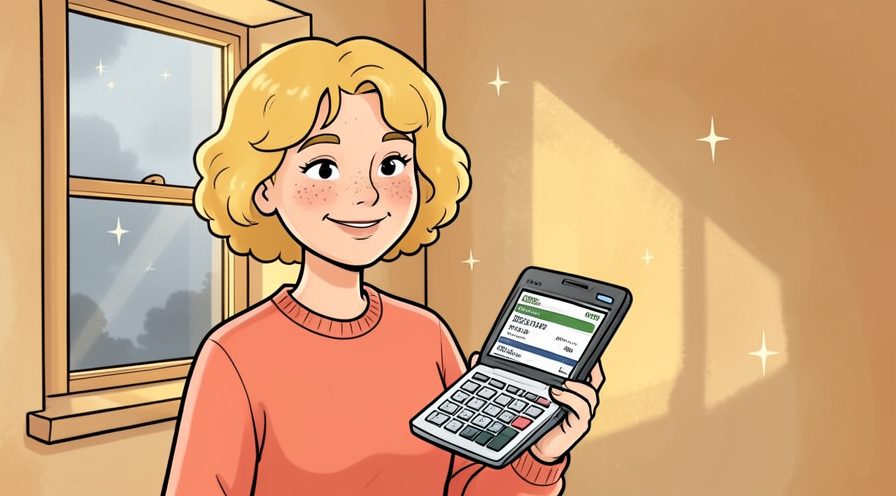
Step 16: Target the card with the highest utilization first
A single card near its limit hurts more than several moderate balances. If you are unsure, do less than you think you need and check again; you can always repeat the step.

Step 17: Pay before the statement closing date
The statement balance is what is usually reported to the bureaus. Choose the gentlest option that still works, then increase only if the result is not holding.

Step 18: Aim for under thirty percent, then under ten
Lower reported balances are consistently associated with stronger scores. Keep everything you might need within reach before starting, so you are not searching mid-step.

Step 19: Ask for a credit limit increase on an old account
A higher limit lowers utilization if your spending stays the same. Finish with a quick check of the whole area rather than only the part you just handled.

Step 20: Keep the oldest no fee card open
Account age and available credit both support a stable file. Give this stage a couple of minutes before moving on, because rushing here is the usual reason your credit score ends up uneven.

Step 21: Use a small recurring charge on an idle card
A tiny monthly payment keeps the account active and reporting. Let it settle for a moment before judging the result, since the first impression often changes.

Step 22: Consider a secured card if you are rebuilding
A deposit backed card reports on-time payments like any other. Stop and tidy up as soon as this part is done, so the next stage starts from a clear surface.
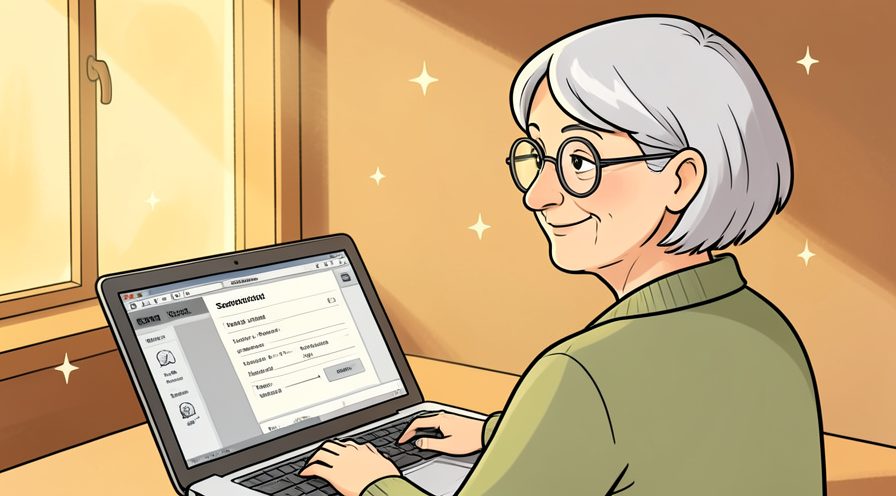
Step 23: Become an authorized user on a well managed account
A long clean history can help, provided the primary holder pays on time. When in doubt, pause and compare against the picture above before continuing.

Step 24: Check whether rent or utility payments can be reported
Some services add on-time housing payments to your file. A slightly imperfect result here is fine and can be corrected later; a rushed fix usually costs more time.

Step 25: Avoid payday and high fee short term loans
They rarely help a score and often create a new delinquency. Finish with a quick check of the whole area rather than only the part you just handled.

Step 26: Space out genuine applications
Cluster necessary applications in a short window and then pause. Check the edges and the parts you cannot see easily; those are where most beginners miss something.
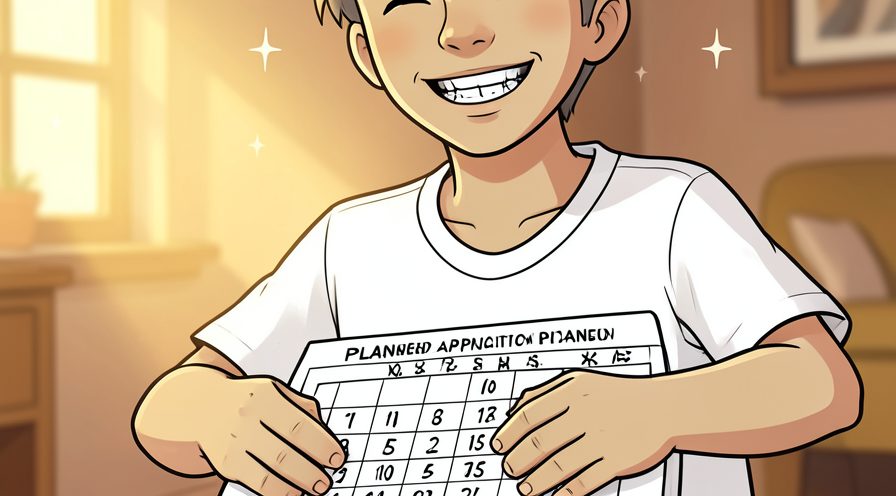
Step 27: Review login and statement alerts monthly
Catching a missed statement early prevents an accidental late mark. If you are unsure, do less than you think you need and check again; you can always repeat the step.

Step 28: Track one score source rather than several
Different models produce different numbers, so a single consistent source shows real movement. Give this stage a couple of minutes before moving on, because rushing here is the usual reason your credit score ends up uneven.
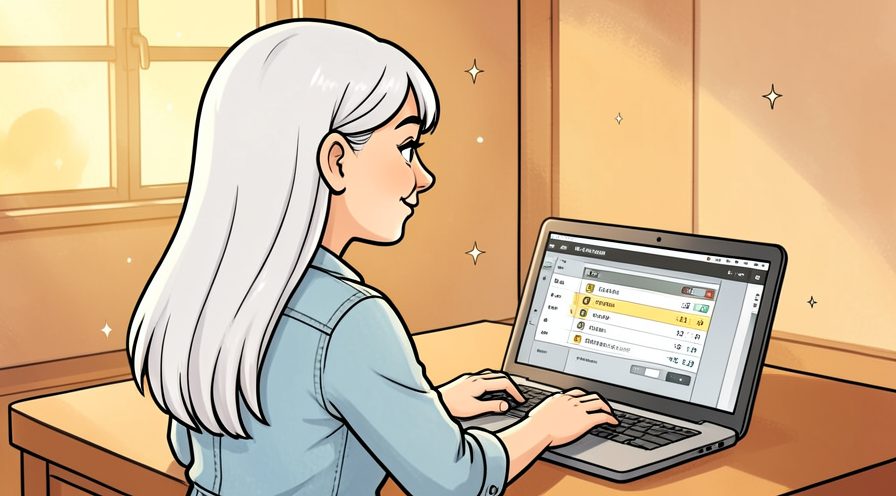
Step 29: Recheck your score quarterly, not weekly
Short term movement is noisy, while a quarter shows real direction. Note what you changed, because the same adjustment usually applies the next time you work on your credit score.
Keep going: How to Track Your Spending uses the same illustrated format and is a good next read. More checklists live in the Money & Finance category.
Tips
- Paying before the statement closes lowers the reported balance, which is the number scoring models usually see.
- Keep an old no-fee card open even if you rarely use it, since account age and available limit both help. For another walkthrough, see How to Build an Emergency Fund.
- Check your report again after a dispute, because corrections can take a full cycle to appear.
Warnings
- Never pay a company that promises to remove accurate negative information, since that is not something any service can legally do. Official guidance: Consumer Financial Protection Bureau.
- Freezing your credit is free and does not hurt your score, but remember to lift it before applying for new credit.
Frequently asked questions
How long does improvement take? Utilization changes can show within a month or two, while late payments fade over years.
Does checking my own score hurt it? No, that is a soft inquiry and has no effect.
Should I close unused cards? Usually not, since closing reduces available credit and can raise your utilization.
References
- Consumer Financial Protection Bureau — budgeting tools. https://www.consumerfinance.gov/consumer-tools/budgeting/
- USA.gov — managing money. https://www.usa.gov/money
- Federal Reserve — consumer information. https://www.federalreserve.gov/
- FINRA — investor education. https://www.finra.org/
- FDIC — consumer and deposit resources. https://www.fdic.gov/
Every guide is reviewed against its sources. See our editorial policy.



Reader comments
0 so farFinished this guide? Tell other readers what worked, what didn't, and what you would change.