Meditation is one of those habits that sounds mysterious, but it is really just this: paying attention, gently, to what is happening right now. It does not require special equipment, a lot of time, or an empty mind. Over weeks of practice it trains the mind to settle, the body to relax, and the nervous system to let go of the tension carried through the day, and it is one of the few habits you can start with nothing but a chair and a few minutes.
This guide walks you through The Gentle Beginner's Meditation Method, a twelve-step routine that covers what meditation actually is, setting up a space and a time, choosing a posture, anchoring on the breath, noticing distraction, returning to the present without judgment, handling restlessness, finishing a session, and building the practice into a daily habit you keep. Every step is written for a complete beginner, so you can start today and feel the difference within a week.
Quick tip: The goal of meditation is not to empty your mind of thoughts. It is to notice them arriving, and to return to your breath anyway. That act of noticing and returning is the entire practice, and everything else is just the scaffolding around it.
Step-by-step
Step 1: Step 1: Understand What Meditation Actually Is
Before you sit down, get the basics right. Meditation is not concentration in the sense of forcing the mind to go blank, and it is not a religious ritual you have to perform correctly. It is the training of awareness: noticing thoughts, sensations, and sounds as they arise, and letting them pass without following them. Knowing this removes the most common blocker beginners hit, which is the feeling that they are doing it wrong simply because thoughts keep appearing.

Step 2: Step 2: Choose a Time and a Place
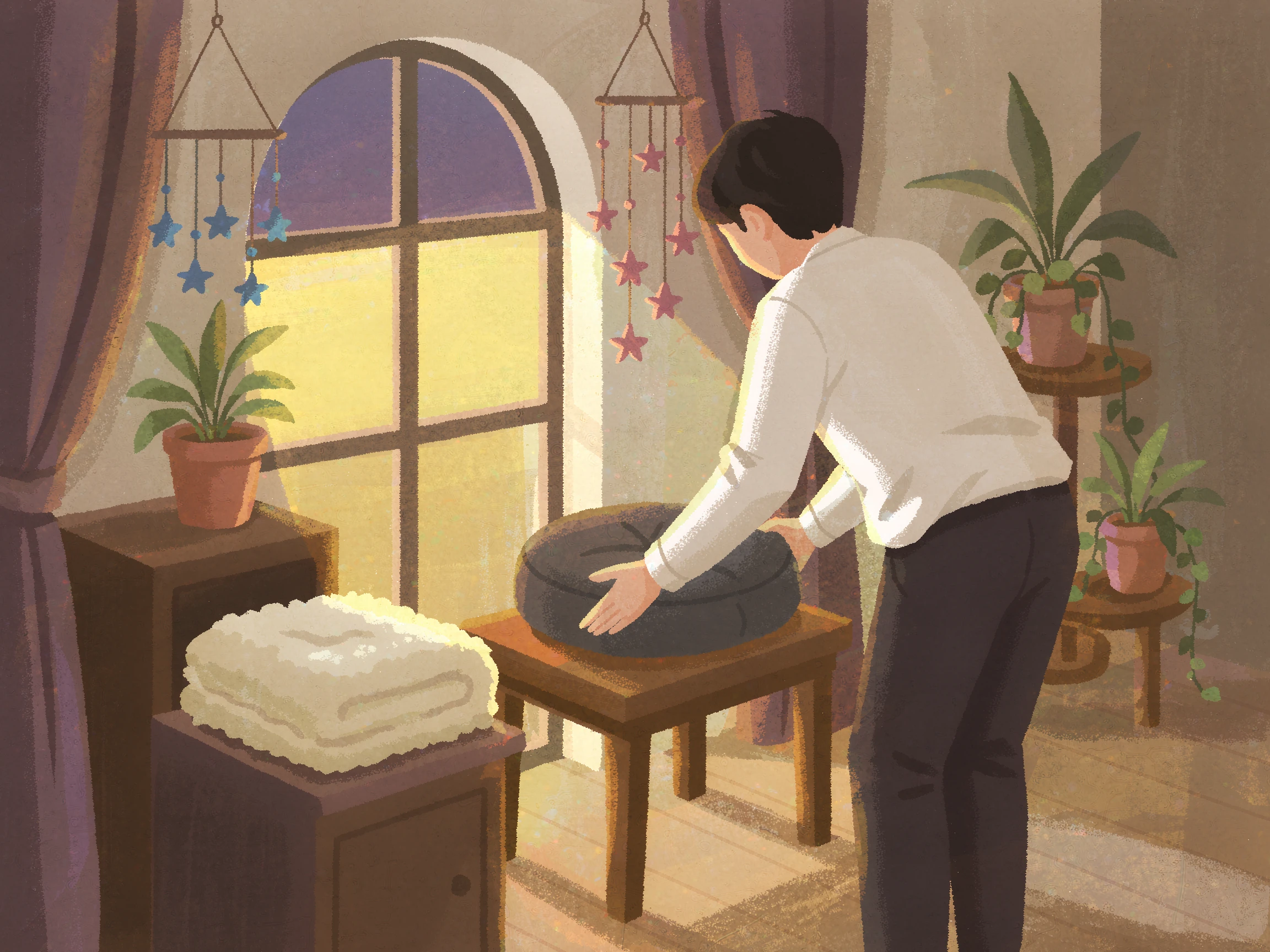
A habit needs a cue, and a practice needs a place. Pick a quiet spot where you will not be interrupted for the session, such as a corner of a room, a bench, or a cushion in a low-traffic area, and try to sit there at the same time each day. Early morning is the classic choice because the day has not yet demanded attention, but a calm evening works equally well. Consistency of time and place matters far more than the length of the session.
Step 3: Step 3: Set a Duration Before You Begin
Decide the session length in advance, before you sit, so you are not negotiating with yourself while meditating. For a beginner, three to five minutes is plenty, and as the practice grows, ten to twenty minutes is a sweet spot. Start short on purpose: a brief, pleasant session you finish is far more likely to become a habit than a long session you dread. Set a gentle timer so the mind does not have to keep track of time.

Step 4: Step 4: Sit in a Comfortable Posture
You do not need to sit cross-legged on a cushion if you are not built for it. Sit in a chair with your feet flat on the floor, or on a cushion or bench with a straight, relaxed back. The posture should be alert and comfortable: upright enough to stay awake, relaxed enough to stay still. A slight tilt of the chin downward, a soft jaw, and shoulders that drop away from the ears are the finishing touches that let the body settle.

Step 5: Step 5: Lower Your Gaze or Close Your Eyes
Gaze at a point on the floor a few feet ahead of you with soft, half-lidded eyes, or close your eyes entirely if that feels restful. The point is to reduce visual input so attention can turn inward. If closing your eyes brings drowsiness, keep them open with the soft downward gaze instead. Either choice is fine, and both do the same job of withdrawing the senses from outside distraction.

Step 6: Step 6: Bring Attention to Your Breath
The breath is the anchor of the practice. Without forcing it, notice the natural rhythm of breathing: the air entering the nose, the chest rising, the belly expanding, the air leaving, the chest falling. Keep the breathing exactly as it is; do not deepen or slow it deliberately. Simply feel the breath as it moves through the body, and let that sensation be the place your attention rests.

Step 7: Step 7: Notice When You Have Drifted
At some point you will realize you have been thinking, planning, or worrying for minutes, and that you are no longer feeling the breath. That moment of realization is not a failure; it is the core skill of meditation. The mind wandering is what minds do. The important part is noticing that the attention has drifted away from the breath, and that noticing itself is the practice working correctly.

Step 8: Step 8: Return to the Breath Without Judgment
Once you notice the drift, do not scold yourself and do not analyze the thought you just had. Gently and without judgment, bring the attention back to the breath where it was, and resume feeling the air move in and out. That simple cycle of drift, notice, and return is the entire technique of meditation, and every time you repeat it you are strengthening the ability to return.
Step 9: Step 9: Handle Restlessness and Discomfort
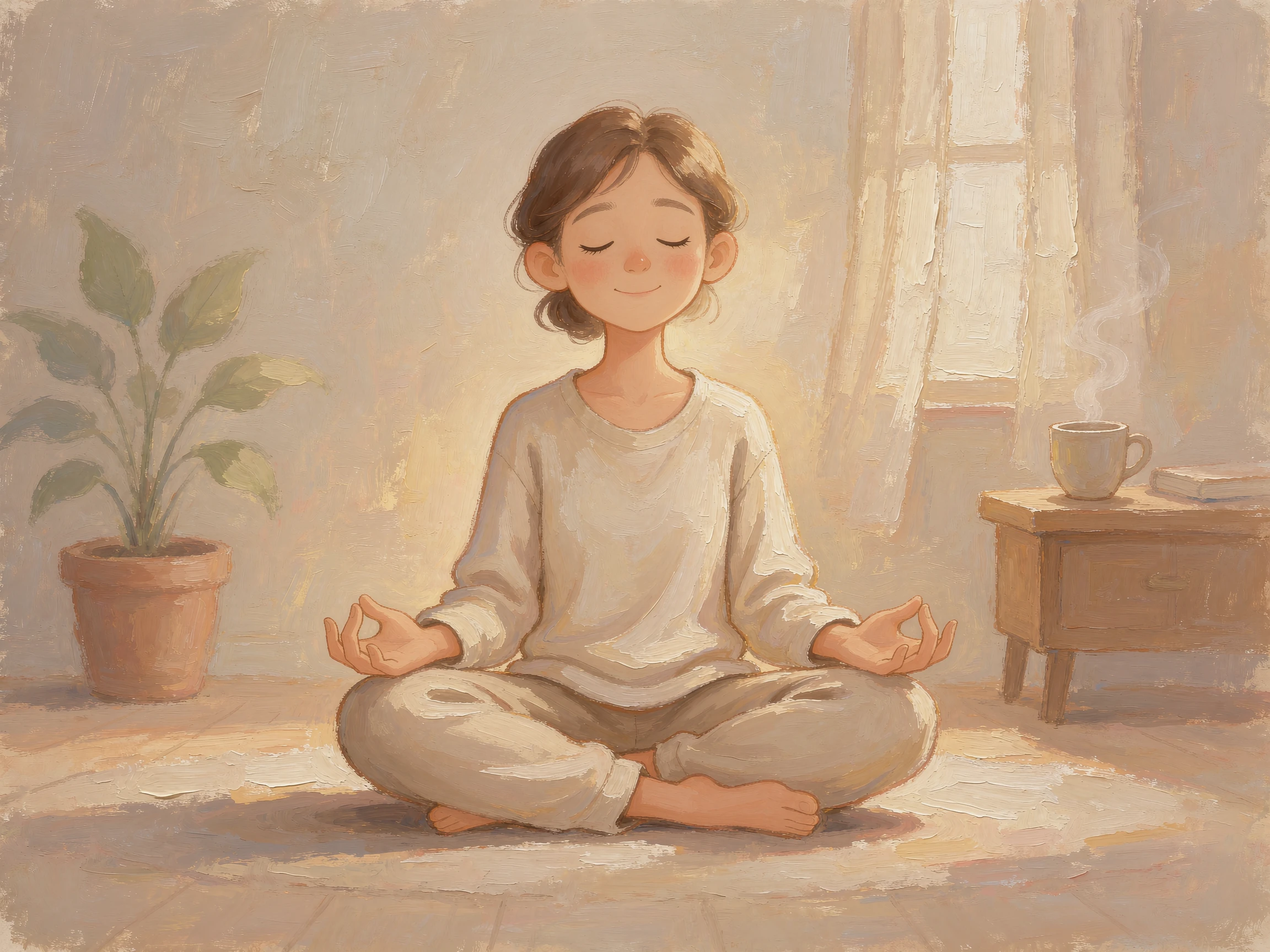
Restlessness, an itchy body, or a mind that refuses to settle are normal parts of the practice, not signs it is not working. If discomfort becomes persistent, adjust the posture gently without turning the adjustment into another distraction. If the mind races, return to the breath anyway, as many times as it takes, and treat each return as a rep completed rather than an obstacle. Restlessness passes like everything else does.
Step 10: Step 10: Let the Session Run Its Course
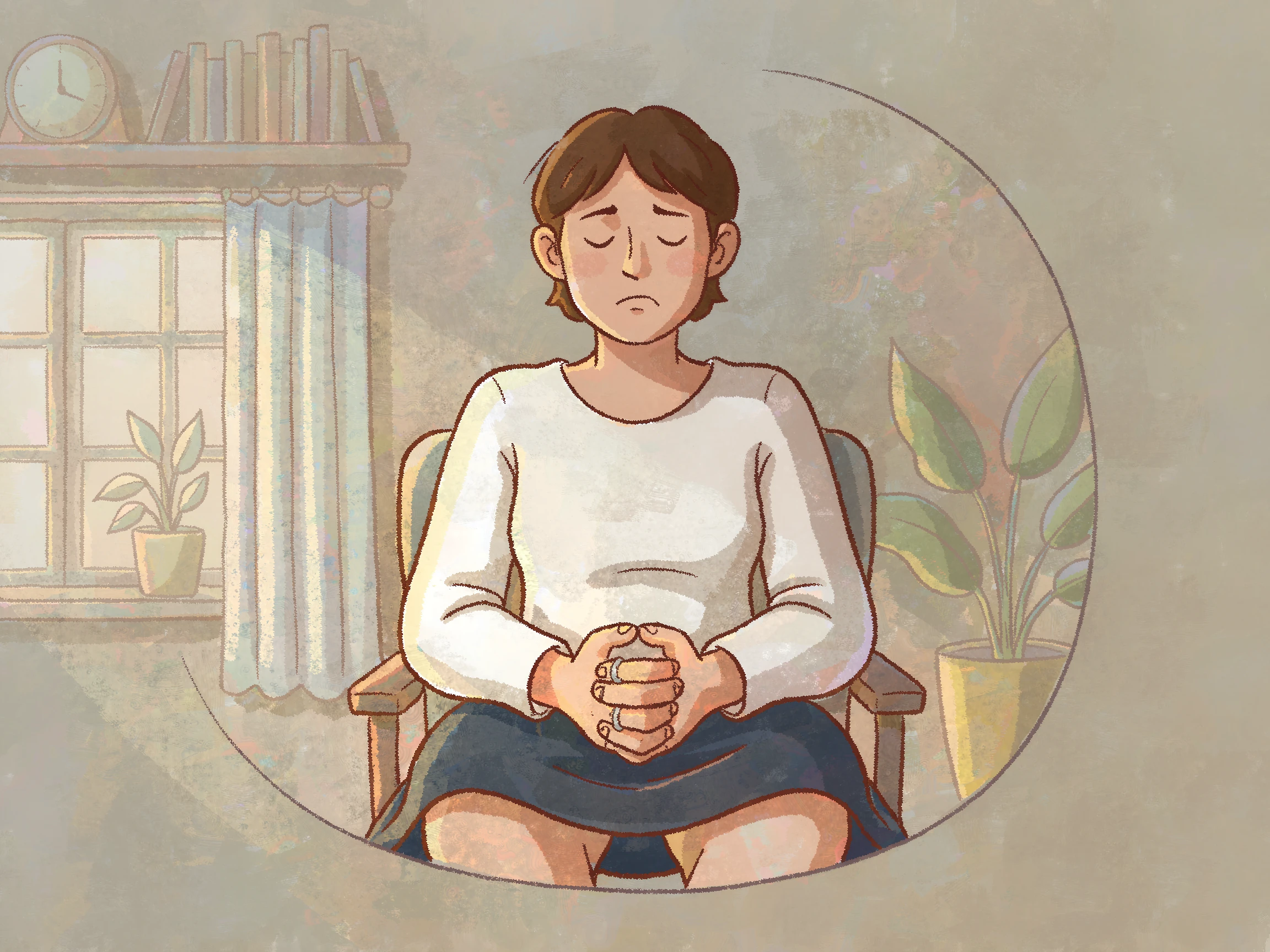
After the first few minutes, stop checking the clock and trust the timer you set. Sit with the breath through the whole session, returning to it whenever the mind wanders, without trying to chase a particular state of calm. There is no goal to reach during the session, and no state that qualifies as success; the practice is the sitting itself, and the calm grows quietly out of it over time.

Step 11: Step 11: Finish Slowly and Carry the Calm
When the timer ends, do not jump straight into the day. Open your eyes slowly, feel the body in the seat for a moment, notice the room around you, and let the attention return to the world gradually. Take one or two deeper breaths, stand up gently, and carry the settled feeling into whatever comes next. A slow, conscious ending is what turns a meditation session into a calm you actually feel for the hours afterward.
Step 12: Step 12: Build It Into a Daily Habit
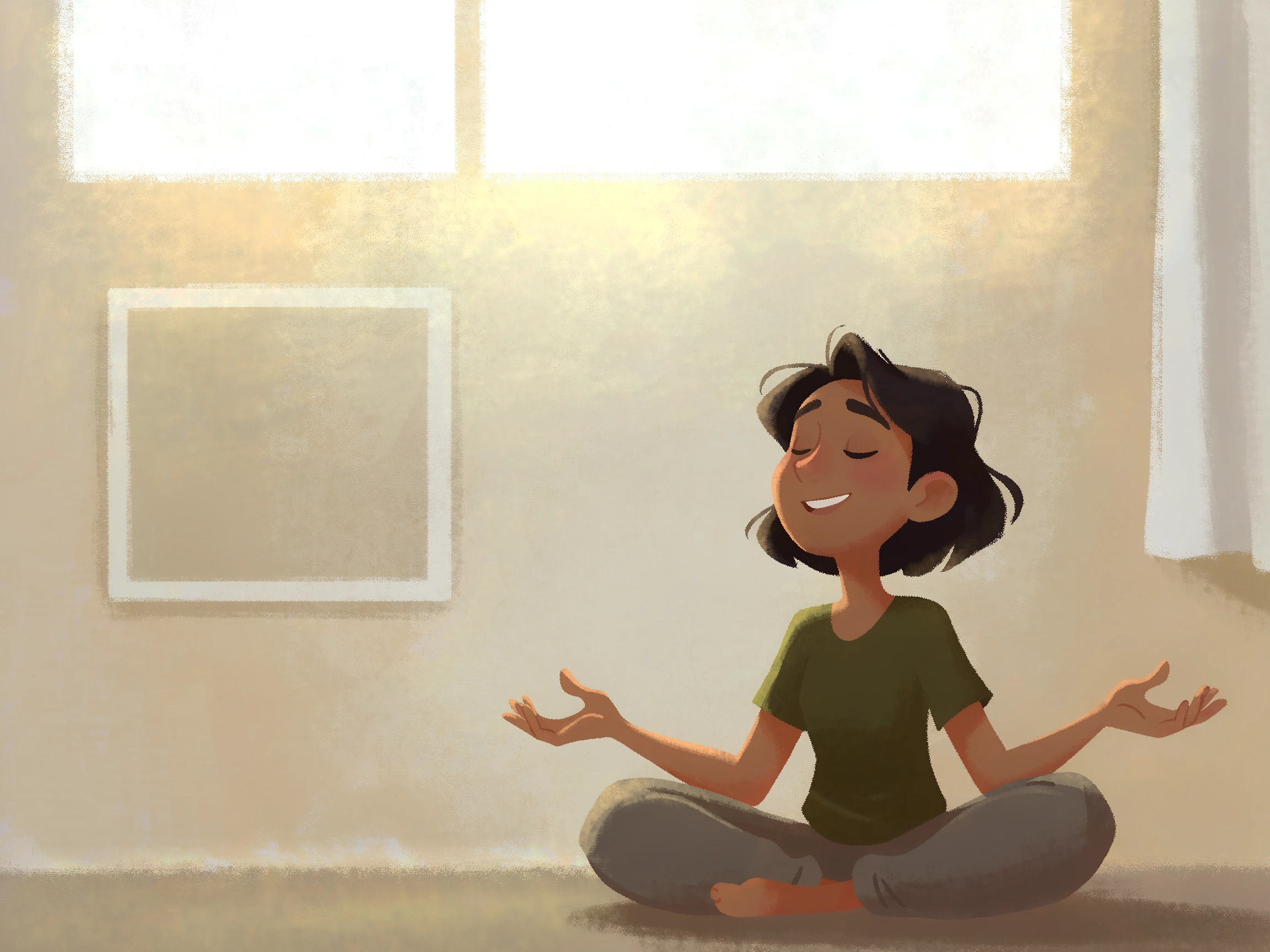
Meditation rewards consistency far more than duration. Sit at your chosen time and place every day, even if the session is only three minutes, and let the habit form before worrying about length. There will be days when the session feels restless and unproductive, and those days are still practice, with the calm building beneath them. Track the habit lightly if it helps, and extend the session gradually once sitting has become something you simply do.
Final Thoughts: Meditation is not a technique for producing calm on demand; it is the steady practice of returning to the present, again and again, in whatever state the mind is in. Set a time and a place, sit comfortably, let the breath be your anchor, notice the drift, return without judgment, and finish slowly. Three minutes daily will do more than an occasional hour, and the calm you build is not confined to the cushion. It quietly follows you into the day. Start small, sit again tomorrow, and let the practice grow itself.




Reader comments
0 so farFinished this guide? Tell other readers what worked, what didn't, and what you would change.