Baking soda raises a pool's total alkalinity, which steadies pH and protects the surface. This illustrated guide covers 3 methods and 18 steps, with a separate picture for every step.
This guide walks through the process in clear illustrated steps, from the first preparation to a finished result. Each step has its own picture, so you can compare your progress as you go.
How to use this guide
Work through the steps in order. Method 1 of 3: Test and Measure covers the basics, and the later methods offer alternatives and finishing touches. If you only have a minute, skim the Quick steps box above and come back for the details.
Related guides
- How to Add Salt to a Pool
- How to Clean a Pool Filter
- How to Shock a Pool
- How to Maintain a Swimming Pool
- Browse all Home & Garden guides
- All 52runoob guides
Trusted external resources
A note on sources
We check each guide against the official resources listed in References at the end of this article. External links open in a new tab; the related guides above stay on this site.
Quick steps
- Test total alkalinity before adding anything
- Broadcast the measured amount across the water, not in one spot
- Retest after circulation and adjust slowly
Things you'll need
- A pool water test kit
- Baking soda (sodium bicarbonate)
- A plastic measuring cup or bucket
- A long-handled pool brush
- Safety gloves and eye protection
Step-by-step
Method 1 of 3: Test and Measure :: Find out how much you actually need.
Step 1: Test the water first
Use a reliable kit to measure total alkalinity and pH before adding anything.
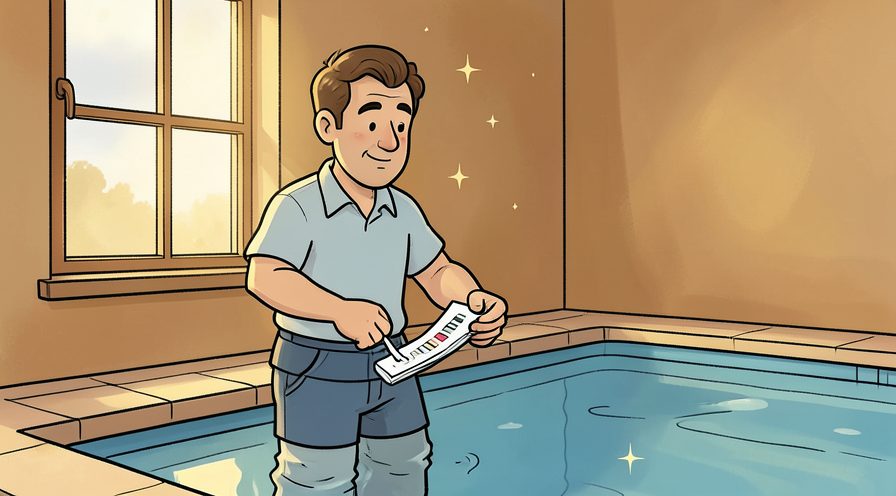
Step 2: Record the current reading
Write down the numbers so you can track how much each addition changes the water.

Step 3: Check the pool volume
Estimate the litres or gallons in your pool, since dosing depends on volume.

Step 4: Use the dosing chart
Look up how much baking soda raises alkalinity by the amount you need.

Step 5: Measure the powder
Scoop the recommended amount with a dedicated plastic cup, keeping it dry.

Method 2 of 3: Add the Baking Soda :: Disperse it evenly for steady results.
Step 6: Turn on the pump
Run the circulation so the added powder mixes through the whole pool.
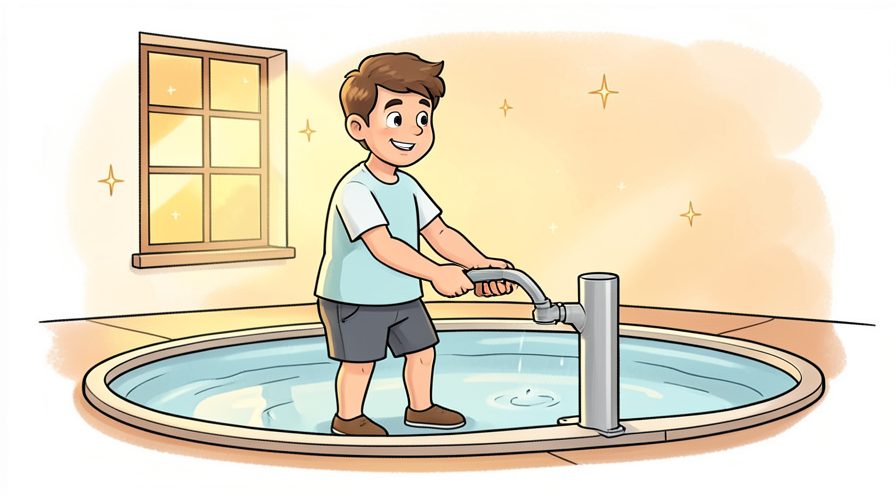
Step 7: Broadcast across the surface
Sprinkle the powder in a wide arc rather than dumping it in one spot.

Step 8: Brush the pool walls
Brush the sides and floor to move settled powder into the water.

Step 9: Avoid the skimmer area
Keep powder away from the skimmer so it does not clog the filter.

Step 10: Let it circulate
Allow several hours of pumping so the alkalinity reading evens out.

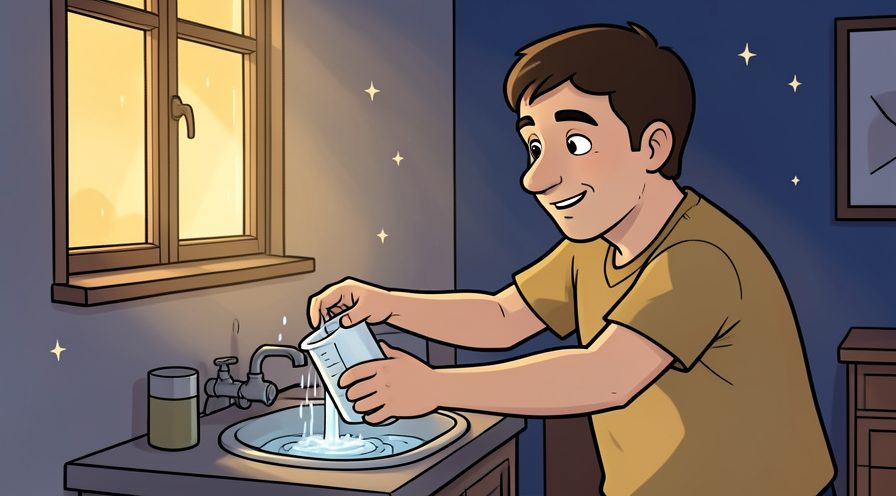
Step 11: Rinse the measuring tool
Wash the cup afterwards so residue does not clump for next time.
Method 3 of 3: Retest and Balance :: Confirm the change before swimming.
Step 12: Retest after circulation
Measure alkalinity again once the water has mixed fully.
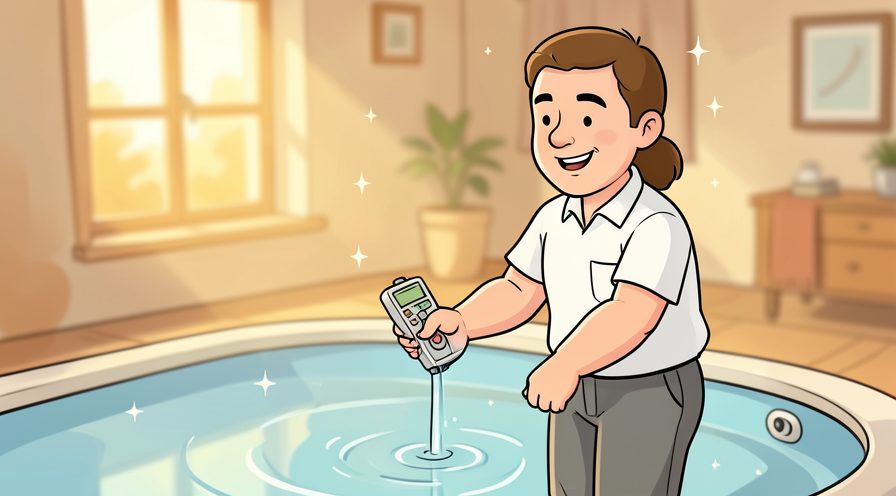
Step 13: Check the pH
Baking soda can nudge pH up, so test both readings together.

Step 14: Adjust in small steps
If the target is not reached, add a smaller second dose and retest.
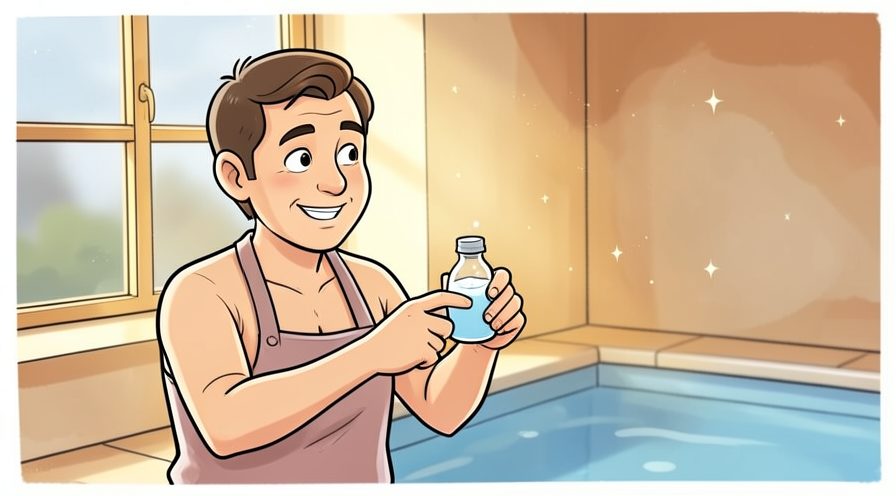
Step 15: Let the water clear
Wait until any cloudiness disappears before using the pool.

Step 16: Record the final readings
Keep a log of the dose and result for the next maintenance round.

Tips
- Raise alkalinity in small increments; overshooting is harder to correct than adding a little more.
- Add the powder with the pump running so it disperses quickly.
- See How to Clean a Pool Filter to keep water clear.
Warnings
- Never mix pool chemicals together in the same bucket.
- Keep children and pets out of the pool until the water is balanced and clear.
Frequently asked questions
Why add baking soda? It raises total alkalinity, which buffers pH swings.
How much do I add? Follow your test kit's dosing chart for your pool's volume.
When can I swim again? Once the water is balanced, clear, and circulated.
References
- CDC — recreational water health. https://www.cdc.gov/healthywater/swimming/
- Pool & Spa News — pool chemistry. https://www.poolspanews.com/
- Wikipedia — alkalinity. https://en.wikipedia.org/wiki/Alkalinity
- wikiHow — How to Add Baking Soda to a Pool. https://www.wikihow.com/add-baking-soda-to-a-pool
Every guide is reviewed against its sources. See our editorial policy.



Reader comments
0 so farFinished this guide? Tell other readers what worked, what didn't, and what you would change.