Falling asleep can feel hardest exactly when you need rest most: you lie down tired but your mind keeps turning, you wake at three in the morning, or you reach for a phone and lose another hour. Most ongoing sleep trouble comes from an inconsistent schedule and evening habits that keep your body clock and your brain switched on, not from one big fix.
Following a single repeatable routine gives your body clear signals about when to be alert and when to wind down. Within a couple of weeks most people fall asleep more easily, wake less often, and feel steadier during the day. If sleep problems persist, a doctor can check for an underlying disorder rather than leaving you to struggle alone.
How to use this guide
Work through the illustrated steps in order. Every step has its own picture, so you can check what a finished stage should look like before you move on. If you only have a minute, skim the Quick steps box above and come back for the details.
Related guides
- How to Declutter Your Home
- How to Do Digital Art on Your Phone
- How to Pack a Carry-On
- Browse all Health & Wellness guides
- All HowCompass guides
Trusted external resources
- U.S. Centers for Disease Control and Prevention — sleep and sleep disorders
- NIH National Heart, Lung, and Blood Institute — sleep health
- National Sleep Foundation — sleep hygiene guidance
A note on sources
We check each guide against the official resources listed in References at the end of this article. External links open in a new tab; the related guides above stay on this site.
Quick steps
- Fix a daily wake time and get morning daylight to anchor your body clock.
- Cut afternoon caffeine, dim evening lights, and keep the bedroom cool and dark.
- Follow a calm wind-down routine and leave bed if you cannot sleep.
Things you'll need
- A consistent alarm clock
- Blackout curtains or an eye mask
- Earplugs or a white-noise machine
- A supportive pillow and mattress
- A dim bedside lamp
- A notebook for a sleep diary
Step-by-step
Method 1 of 1: Build a Consistent Sleep Routine
Step 1: Set a Fixed Wake-Up Time Every Day
Pick a wake-up time you can hold on both weekdays and weekends, and set an alarm for it every morning. A steady rise time anchors your body clock and gradually makes you feel sleepy at a consistent hour at night. Avoid sleeping in by more than an hour, since large swings undo the rhythm you are trying to build.

Step 2: Get Daylight Exposure Early in the Morning
Aim for fifteen to thirty minutes of outdoor light within an hour of waking, such as a walk, breakfast by a window, or a commute on foot. Morning daylight signals that the day has started and helps your body feel sleepy earlier in the evening. On dark winter mornings, a bright indoor lamp can help.

Step 3: Keep a Regular Exercise Habit Earlier in the Day
Do moderate exercise such as brisk walking, cycling, or swimming on most days, but finish vigorous workouts at least three hours before bedtime. Regular daytime activity deepens sleep and helps you fall asleep faster, while a hard session right before bed can leave you too alert. Gentle stretching in the evening is a better choice.

Step 4: Cut Caffeine and Large Meals Before Bed
Stop drinking coffee, tea, energy drinks, and cola by early afternoon, since caffeine can stay active in your body for six hours or more. Keep dinner moderate and finish it two to three hours before bed, and go easy on alcohol, which fragments sleep later in the night. A light snack is fine if genuine hunger keeps you awake.
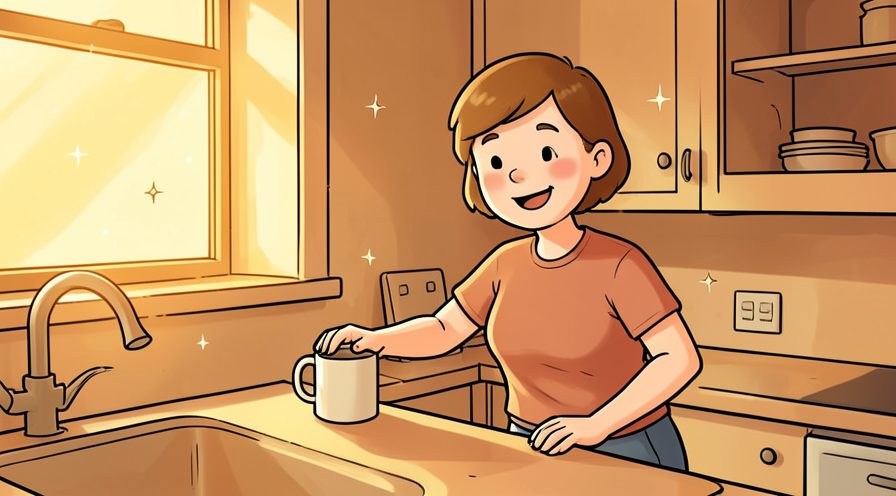
Step 5: Build a Calm Wind-Down Routine
Set a thirty to sixty minute wind-down buffer before bed and do the same quiet activities each night: a warm shower, light reading, gentle stretching, or slow breathing. Lower the lights and the noise level during this window. A repeated routine becomes a cue that tells your brain sleep is coming.

Step 6: Make the Bedroom Cool, Dark, and Quiet
Keep the bedroom near eighteen degrees Celsius, quiet, and dark, since a cool, dim room supports uninterrupted sleep. Use blackout curtains or an eye mask for light, earplugs or steady background noise for sound, and reserve the bed for sleep only. Replace a lumpy pillow or worn mattress if discomfort wakes you.
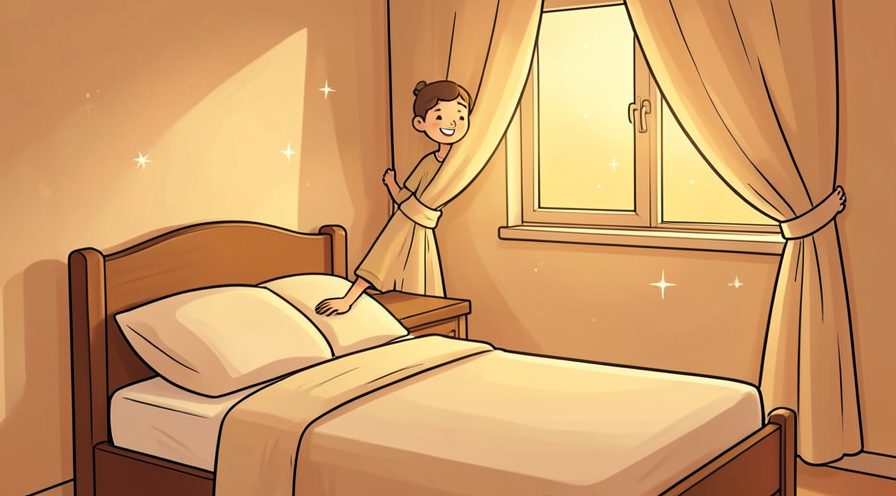
Step 7: Limit Screens and Bright Light at Night
Turn off phones, tablets, and laptops at least an hour before bed, or use a night mode and keep the screen dim if you must look. Bright screens suppress sleepiness and absorbing content keeps your mind racing. Charge devices outside the bedroom so notifications and the temptation to scroll do not interrupt the night.
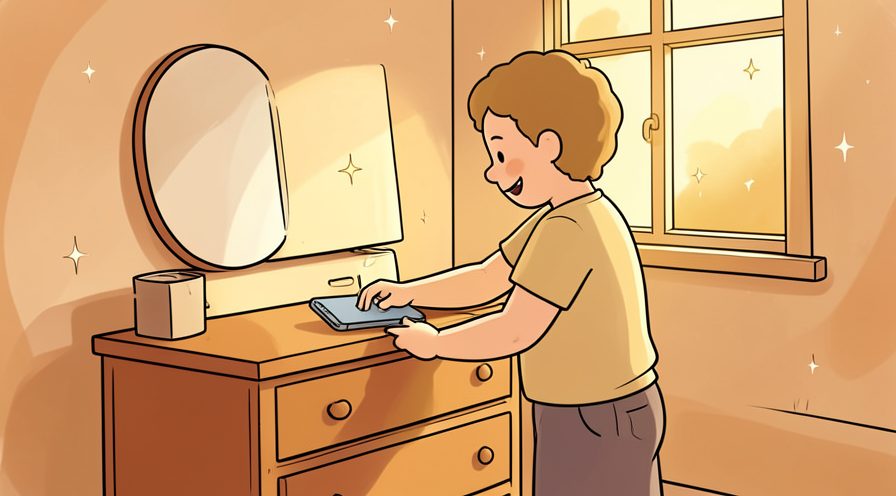
Step 8: Get Out of Bed When You Cannot Sleep
If you are still awake after about twenty minutes, get up, go to another room, and do something quiet under low light until you feel sleepy, then return to bed. Avoid checking the clock, which fuels frustration. Lying in bed awake for long stretches teaches your mind to associate the bed with being alert.
Keep going: How to Do Digital Art on Your Phone uses the same step-by-step format and is a good next read. More checklists live in the Health & Wellness category.

Tips
- Keep a simple sleep diary for two weeks, noting bedtime, wake time, caffeine, and how rested you feel, to spot patterns worth changing.
- Use the bed only for sleep so your brain links it with rest, and move reading or screen time to a chair. For a related walkthrough, see How to Declutter Your Home.
- If your mind races at night, write down tomorrow's tasks earlier in the evening so worries do not surface at bedtime.
- Take a short nap of twenty minutes before midafternoon if needed, but avoid late-day naps that steal sleep pressure from the night.
- Hold your schedule even after a bad night, since sleeping in or going to bed much earlier can push the cycle off again.
Warnings
- See a doctor if sleeplessness lasts several weeks or comes with loud snoring, gasping, or strong daytime sleepiness, since these may need professional care. Official guidance: U.S. Centers for Disease Control and Prevention.
- Avoid using sleep aids or high-dose supplements long term without medical advice, because they can mask an underlying problem and become hard to stop.
Frequently asked questions
How many hours of sleep do most adults need?
Most adults feel and function best on seven to nine hours, though the right amount is whatever leaves you refreshed and alert during the day. Focus on a consistent schedule and enough time in bed rather than chasing an exact number, and speak with a doctor if you regularly need much more.
120 found this helpful · 5 did not
Will a short nap ruin my sleep at night?
A brief nap of about twenty minutes taken before midafternoon usually helps without hurting nighttime sleep. Long or late naps reduce the build-up of sleepiness that makes you fall asleep easily, so keep naps short, early, and occasional if you already struggle at night.
120 found this helpful · 5 did not
When should I see a doctor about trouble sleeping?
See a doctor if difficulty sleeping lasts more than a few weeks, disrupts work or mood, or comes with loud snoring, gasping, or heavy daytime sleepiness. These can point to conditions that need proper evaluation, and a clinician can suggest tested options such as cognitive behavioural therapy for insomnia.
120 found this helpful · 5 did not
References
- U.S. Centers for Disease Control and Prevention — sleep and sleep disorders. https://www.cdc.gov/sleep/
- NIH National Heart, Lung, and Blood Institute — sleep health. https://www.nhlbi.nih.gov/health/sleep
- National Sleep Foundation — sleep hygiene guidance. https://www.sleepfoundation.org/
- Mayo Clinic — healthy sleep habits. https://www.mayoclinic.org/healthy-lifestyle/adult-health/in-depth/sleep/art-20048379
- Sleep Research Society — sleep science. https://www.sleepresearchsociety.org/
Every guide is reviewed against its sources. See our editorial policy.



Reader comments
0 so farFinished this guide? Tell other readers what worked, what didn't, and what you would change.