Overpacking a carry-on usually comes from packing for imagined situations rather than the actual trip, then trying to close a bag that is already over the airline limit. Liquids, chargers, and spare batteries also have to be placed where security can reach them. A short plan, a fixed clothing palette, and a deliberate layer order solve both problems before the zipper closes.
Follow the eight steps and you will have one bag that fits the sizer, a week of outfits that mix, and a clear top layer for security. You will also board with your batteries and valuables beside you instead of hoping they survive a checked hold.
How to use this guide
Work through the illustrated steps in order. Every step has its own picture, so you can check what a finished stage should look like before you move on. If you only have a minute, skim the Quick steps box above and come back for the details.
Related guides
- How to Meal Prep for the Week
- How to Declutter Your Home
- How to Do Digital Art on Your Phone
- Browse all Travel & Outdoors guides
- All HowCompass guides
Trusted external resources
- U.S. Transportation Security Administration — 3-1-1 liquids rule
- U.S. Transportation Security Administration — what you can bring
- Federal Aviation Administration — Pack Safe guidance
A note on sources
We check each guide against the official resources listed in References at the end of this article. External links open in a new tab; the related guides above stay on this site.
Quick steps
- Check the airline size limit and lay out everything before packing.
- Roll clothes into cubes and keep liquids in a one-quart bag.
- Pack batteries in the cabin and leave heavy items at the bottom.
Things you'll need
- A carry-on bag that meets the limit
- Two or three packing cubes
- A one-quart clear resealable bag
- Travel containers of 3.4 oz or less
- A small pouch for cables and chargers
- A luggage scale or bathroom scale
Step-by-step
Method 1 of 1: Packing One Bag for a Short Trip
Step 1: Check your airline's carry-on size and weight limit
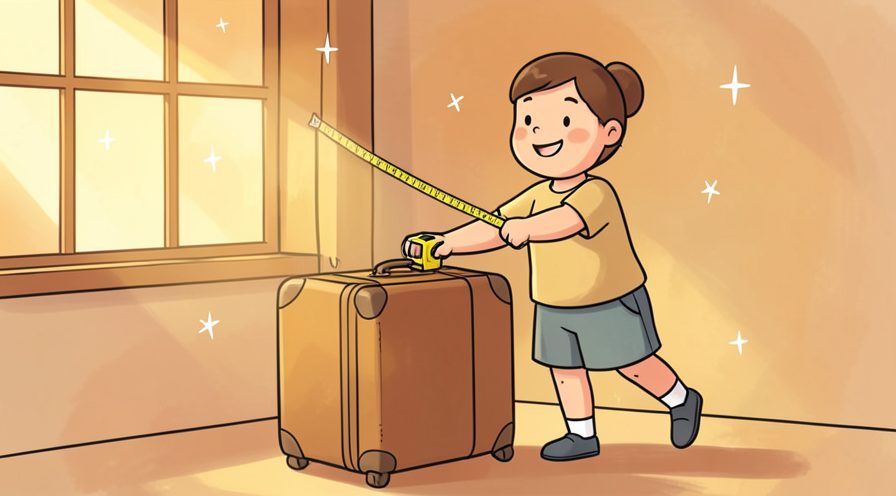
Look up the exact dimensions and any weight cap for your fare before choosing a bag, since low-cost carriers often set stricter limits than full-service ones. Measure the bag including wheels and handles, then set it aside as the only container you are allowed to fill.
Step 2: Lay out everything before anything goes in the bag
Put every candidate item on a bed in one layer, grouped into clothes, toiletries, electronics, and documents, so you can see the total volume at once. Remove roughly a third before packing, because the pile that looks reasonable on a bed almost never fits the same bag once it is compressed.

Step 3: Build outfits around two matching colors
Pick one base color for bottoms and one accent that works with it, then choose tops that pair with every bottom you packed. Aim for one outfit per day plus one spare, and skip single-use items, since a piece that only matches one thing effectively costs double its space.

Step 4: Roll soft clothes and pack them into cubes
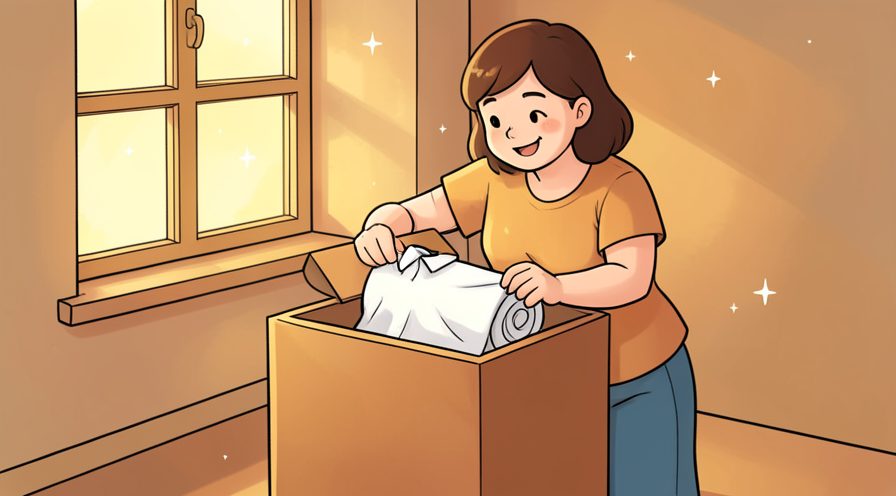
Roll t-shirts, knitwear, and trousers into tight cylinders, then stand them upright in packing cubes so you can see every item at a glance. Fold only structured pieces like a blazer, and place those flat on top, because rolling them would create hard creases that are difficult to fix.
Step 5: Fit all liquids into one quart-sized clear bag
Decant shampoo, lotion, and toothpaste into containers of 3.4 oz or 100 ml or less, then place every one of them in a single quart-sized clear resealable bag. Keep that bag near the top of your carry-on, since it has to come out separately at the security checkpoint.

Step 6: Keep lithium batteries and devices in the cabin
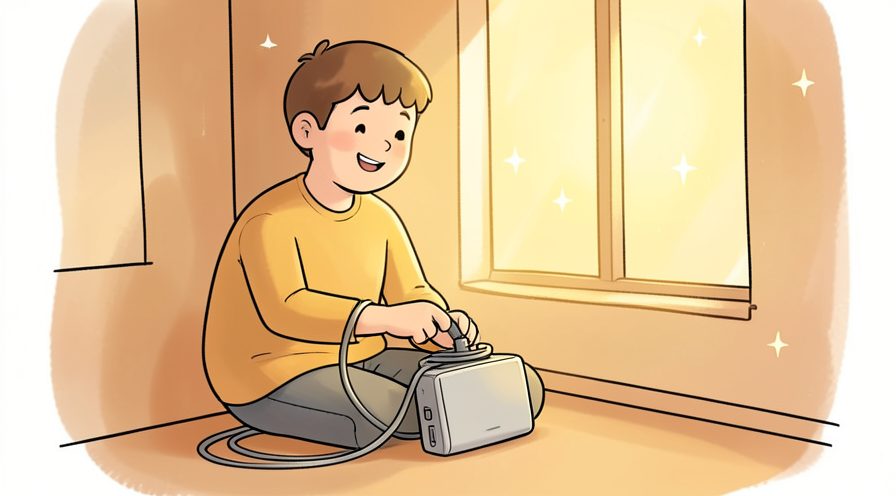
Pack your phone, laptop, tablet, spare lithium batteries, and power banks in the carry-on rather than checked luggage, and cover exposed terminals so they cannot touch coins or keys. Put them in one small pouch, which keeps them together when you need to place electronics in a separate bin.
Step 7: Put security-friendly items in the top layer
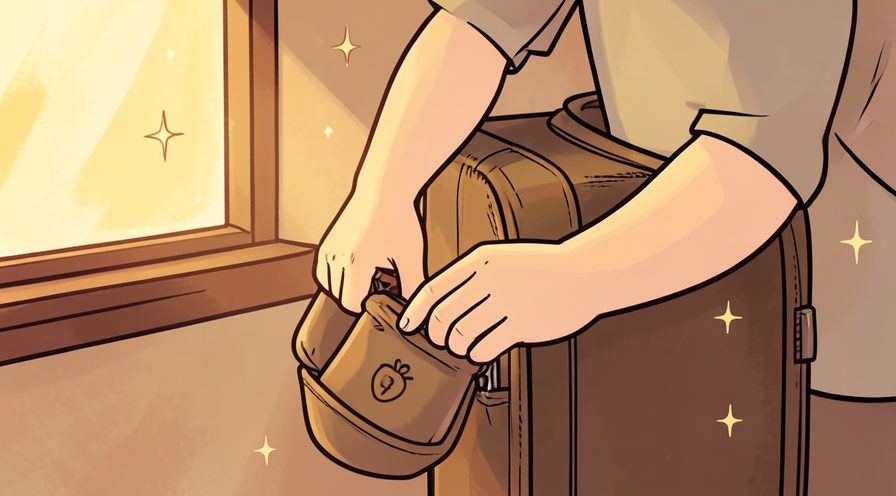
Place the clear liquids bag, the electronics pouch, and your ID and boarding pass in an outside pocket or directly under the lid. Build the bag with heavy shoes and cubes at the bottom and these quick-access items on top, so you can reach them without unpacking in line.
Step 8: Weigh the packed bag and repack before leaving
Close the bag, lift it with a luggage scale, and compare the reading with the limit you checked in step one, then try fitting it in a sizer if you have one. If it is over, remove the heaviest single item rather than several small ones, and reweigh once more.
Keep going: How to Declutter Your Home uses the same step-by-step format and is a good next read. More checklists live in the Travel & Outdoors category.
Tips
- Wear your bulkiest shoes and jacket on the plane, since they cost far more space inside the bag than in your seat.
- Plan one outfit per day plus one spare, then choose two colors so every top works with every bottom you packed. For a related walkthrough, see How to Meal Prep for the Week.
- Fill dead space inside shoes with socks and chargers, and tuck a flat laundry bag into the lid for the trip home.
- Keep a pen, ID, and boarding documents in an outside pocket so you are not unzipping the main compartment at the gate.
- Photograph the contents before you close the bag, which gives you a quick reference if security asks you to repack anything.
Warnings
- Keep spare lithium batteries and power banks in your carry-on, never in checked luggage, and protect their terminals from loose metal. Official guidance: U.S. Transportation Security Administration.
- Each liquid container must hold 3.4 oz or 100 ml or less and fit in one quart-sized bag; larger bottles get confiscated.
Frequently asked questions
How many clothes should I pack for a one-week trip in a carry-on?
Plan one outfit per day plus a single spare, all in two matching colors, and assume you can wash socks or a shirt midweek. Roll rather than fold, and keep bulky layers on your body for the flight, which frees most of the space you would otherwise lose.
120 found this helpful · 5 did not
Can I bring a full-size shampoo in my carry-on?
No. Each container must be 3.4 oz or 100 ml or less and all of them must fit inside a single quart-sized clear bag. Either decant what you need into small travel bottles or buy it after you arrive, which is usually easier than arguing at the checkpoint.
120 found this helpful · 5 did not
Where should spare batteries and power banks go when I fly?
Keep them in your carry-on with you, not in checked baggage, and cover exposed terminals or use a small pouch so they cannot touch coins or keys. Lithium cells are easiest to monitor in the cabin, and a device you may need on the flight belongs there anyway.
120 found this helpful · 5 did not
References
- U.S. Transportation Security Administration — 3-1-1 liquids rule. https://www.tsa.gov/travel/security-screening/liquids-rule
- U.S. Transportation Security Administration — what you can bring. https://www.tsa.gov/travel/security-screening/whatcanibring
- Federal Aviation Administration — Pack Safe guidance. https://www.faa.gov/hazmat/packsafe
- International Air Transport Association — baggage guidance. https://www.iata.org/
- U.S. Department of State — travel information. https://travel.state.gov/
Every guide is reviewed against its sources. See our editorial policy.



Reader comments
0 so farFinished this guide? Tell other readers what worked, what didn't, and what you would change.