Most people do not forget water because they are thirsty; they forget because the bottle is in another room and there is no obvious moment to reach for it. Reminders that depend on motivation fade within a week. The fix is environmental: put water where you already pause, and attach it to habits you never skip.
This guide builds a baseline, links drinking to existing routines, and sets up the checks that keep the habit working on busy or hot days.
How to use this guide
Work through the illustrated steps in order. Every step has its own picture, so you can check what a finished stage should look like before you move on. If you only have a minute, skim the Quick steps box above and come back for the details.
Related guides
- How to Start Running as a Beginner
- How to Improve Your Posture at a Desk
- How to Stretch Before Exercise
- How to Sleep Better at Night
- Browse all Health & Wellness guides
- All HowCompass guides
Trusted external resources
- U.S. Centers for Disease Control and Prevention — sleep and sleep disorders
- NIH National Heart, Lung, and Blood Institute — sleep health
- National Sleep Foundation — sleep hygiene guidance
A note on sources
We check each guide against the official resources listed in References at the end of this article. External links open in a new tab; the related guides above stay on this site.
Quick steps
- Keep a filled bottle in sight on your desk and by your bed
- Drink one glass before each meal and one when you brush your teeth
- Use pale urine color and a simple tick sheet as feedback, not a strict rule
Things you'll need
- A reusable bottle you like using
- A glass or cup at your main workspace
- A notebook or habit app
- Lemon, cucumber, or mint if you want flavor
- A water filter if your tap water tastes off
Step-by-step
Method 1 of 3: Set a Realistic Baseline
Step 1: Track two ordinary days without changing anything
Note roughly how many glasses you drink now so the gap is real. When in doubt, pause and compare against the picture above before continuing.

Step 2: Notice when you already feel thirsty
Those moments are your natural cues to build around. Repeat the same motion at a steady pace rather than varying it, which keeps the finish consistent.

Step 3: Choose one bottle and use it all week
A single container makes counting effortless. Let it settle for a moment before judging the result, since the first impression often changes.
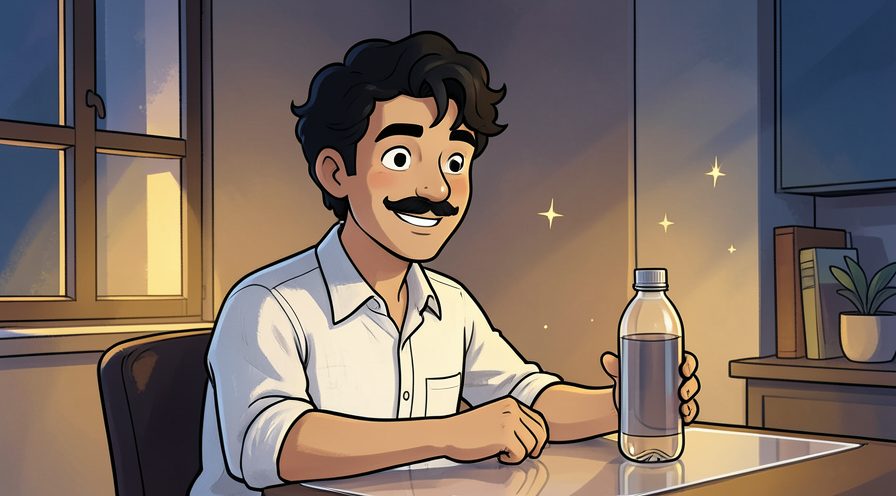
Step 4: Work out how many bottles make a comfortable day
Use a modest target you could hit on a busy day. Check the edges and the parts you cannot see easily; those are where most beginners miss something.

Step 5: Fill it before you leave the house
Starting full removes the first decision of the day. Read the label or the guidance for your water intake once before acting, since small differences matter here.

Step 6: Put a second glass where you work
A visible cup is a stronger cue than a notification. Work in small passes and look at the result after each one, so a slip is easy to fix while it is still small.
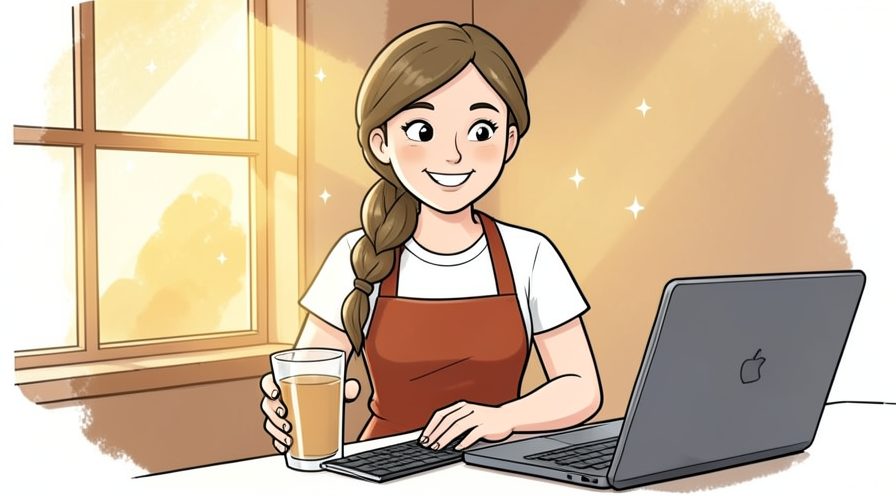
Step 7: Keep one by the bed for the morning
A glass within reach gets drunk before the day takes over. Use a timer or a quick count rather than guessing, especially on your first few attempts.

Step 8: Adjust the target for heat and exercise
Add one extra glass on hot days or after a workout. Note what you changed, because the same adjustment usually applies the next time you work on your water intake.
Keep going: How to Improve Your Posture at a Desk uses the same illustrated format and is a good next read. More checklists live in the Health & Wellness category.
Method 2 of 3: Attach Drinking to Habits You Already Have
Step 9: Drink a glass right after waking
It is the easiest cue to repeat and needs no planning. Keep everything you might need within reach before starting, so you are not searching mid-step.

Step 10: Pair a glass with tooth brushing
An existing twice daily habit carries the new one. Photograph or jot down the finished stage once, which gives you a reference for the next attempt.
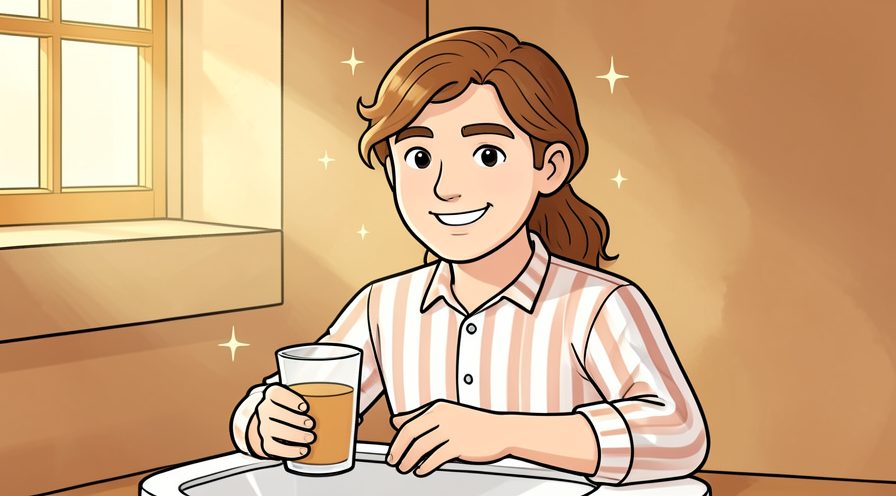
Step 11: Have one before each meal
A few minutes before eating is a reliable and calm moment. Finish with a quick check of the whole area rather than only the part you just handled.
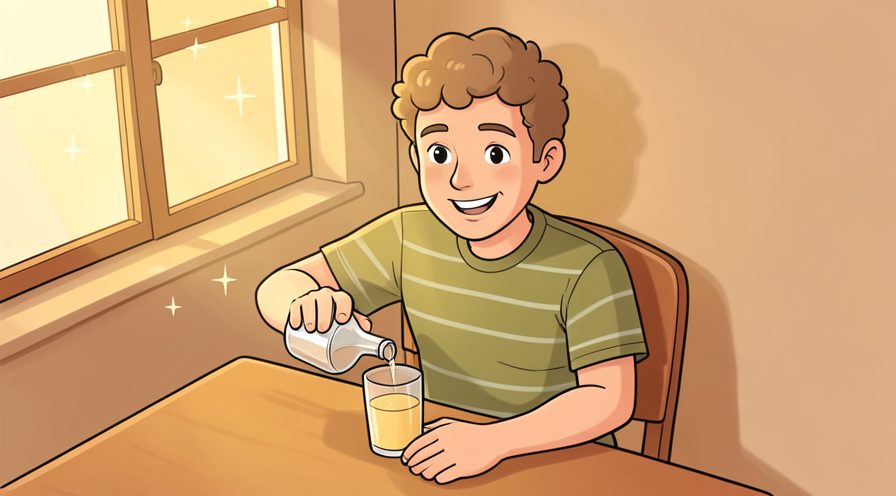
Step 12: Take a bottle to every meeting or class
Keeping it in view makes sipping automatic. Stop and tidy up as soon as this part is done, so the next stage starts from a clear surface.

Step 13: Refill whenever you stand up
Use trips to the kitchen or a break as a refill trigger. A slightly imperfect result here is fine and can be corrected later; a rushed fix usually costs more time.
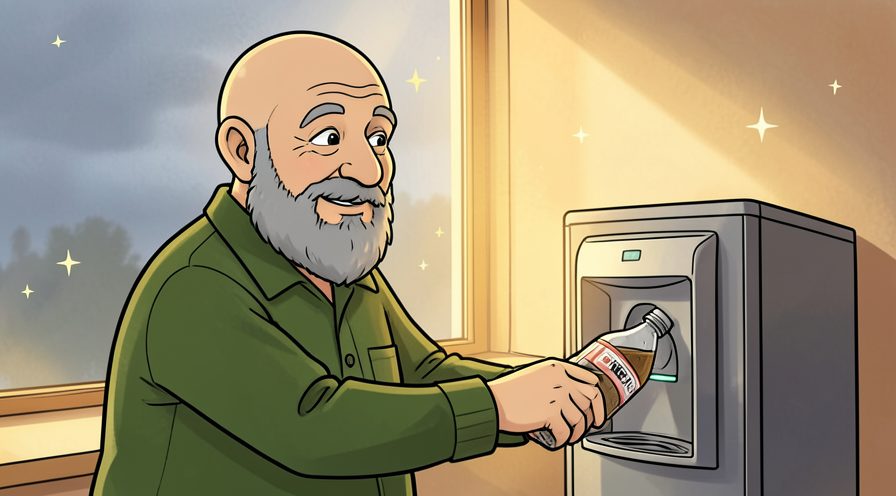
Step 14: Sip during the first ten minutes of exercise
Small amounts are easier than a large drink afterward. Keep the same order every time, since a fixed sequence is easier to repeat than a list of separate decisions.
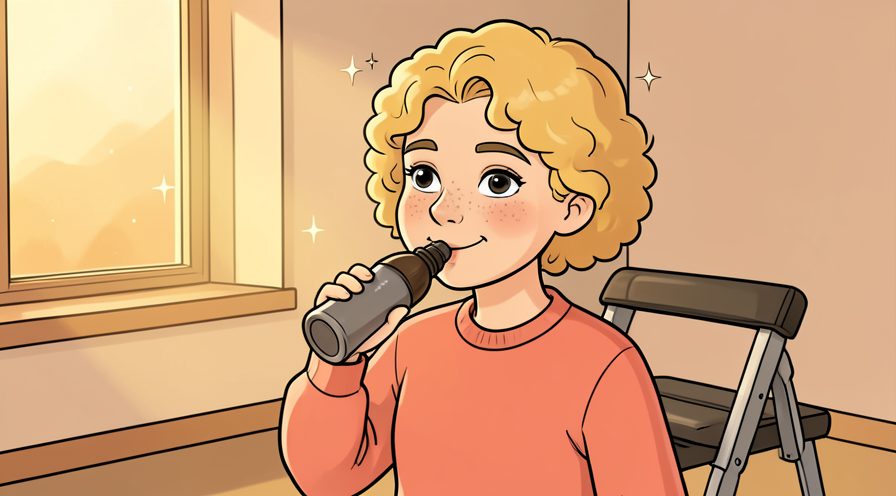
Step 15: Keep water within reach while travelling
A bottle in the bag side pocket beats buying a drink later. If you are unsure, do less than you think you need and check again; you can always repeat the step.

Step 16: Choose water by default with takeaway food
Swapping one sugary drink a day is a large change over a month. Choose the gentlest option that still works, then increase only if the result is not holding.
Keep going: How to Stretch Before Exercise uses the same illustrated format and is a good next read. More checklists live in the Health & Wellness category.

Method 3 of 3: Keep the Habit Working on Odd Days
Step 17: Add flavor if plain water bores you
A slice of lemon, cucumber, or mint keeps it sugar free. Use a light touch first; pressure and extra material are much easier to add than to remove.
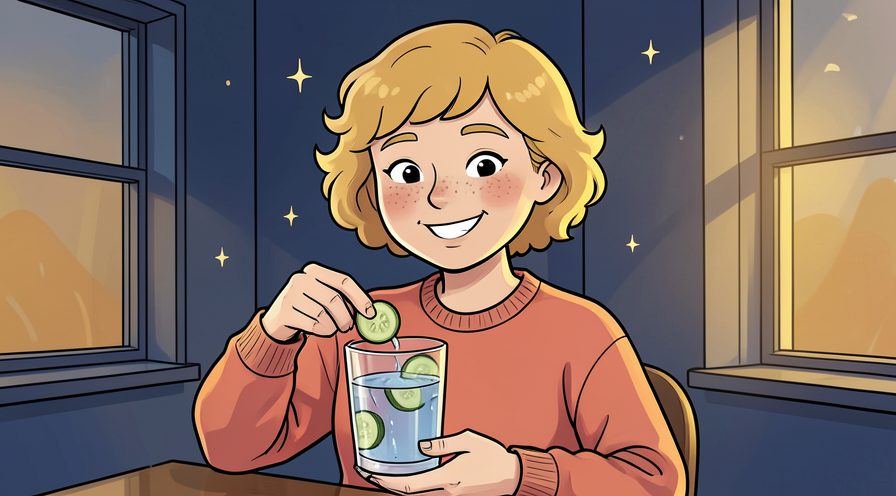
Step 18: Fix an unpleasant tap taste with a filter
Taste is a surprisingly common reason people underdrink. Put the tools back in the same place afterward, so the next session starts without a search.
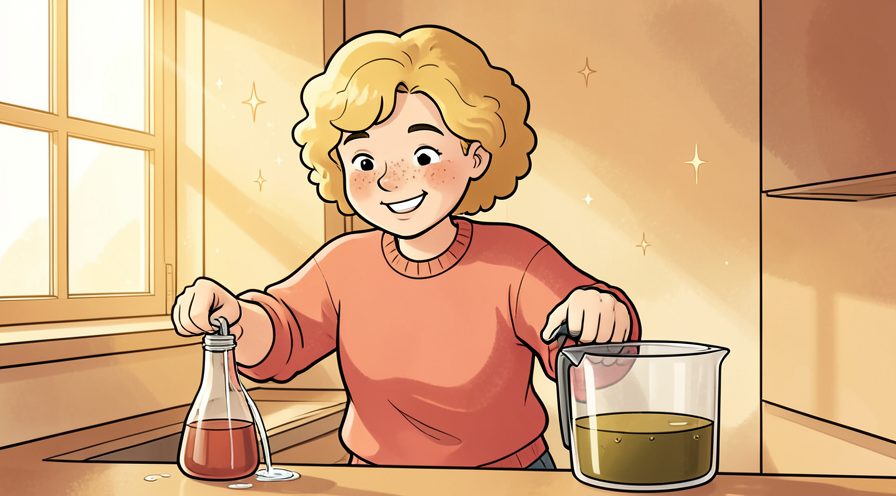
Step 19: Set one gentle mid afternoon reminder
A single nudge helps on the days your routine disappears. If conditions are different today, adjust one thing at a time and leave everything else unchanged.
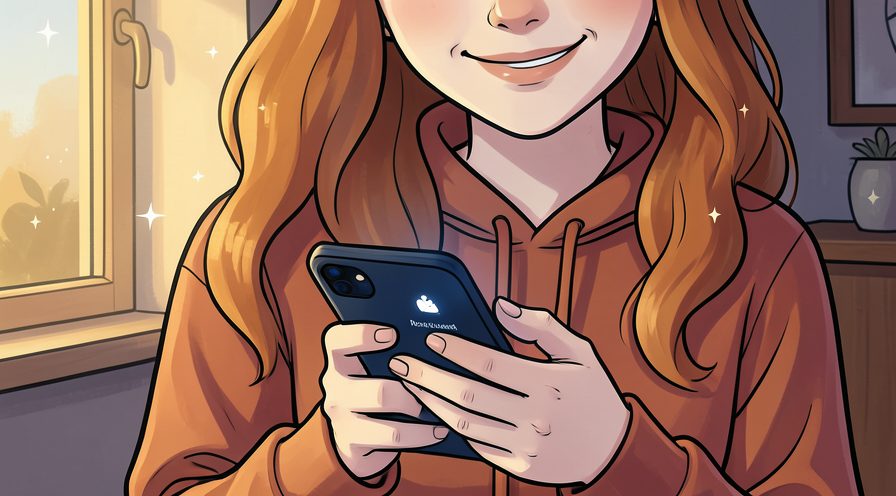
Step 20: Eat water rich foods at lunch
Soup, melon, tomatoes, and cucumber all contribute fluid. Give this stage a couple of minutes before moving on, because rushing here is the usual reason your water intake ends up uneven.

Step 21: Increase intake when you are feverish or unwell
Fluid needs rise with a fever, so keep a bottle close. Work in small passes and look at the result after each one, so a slip is easy to fix while it is still small.
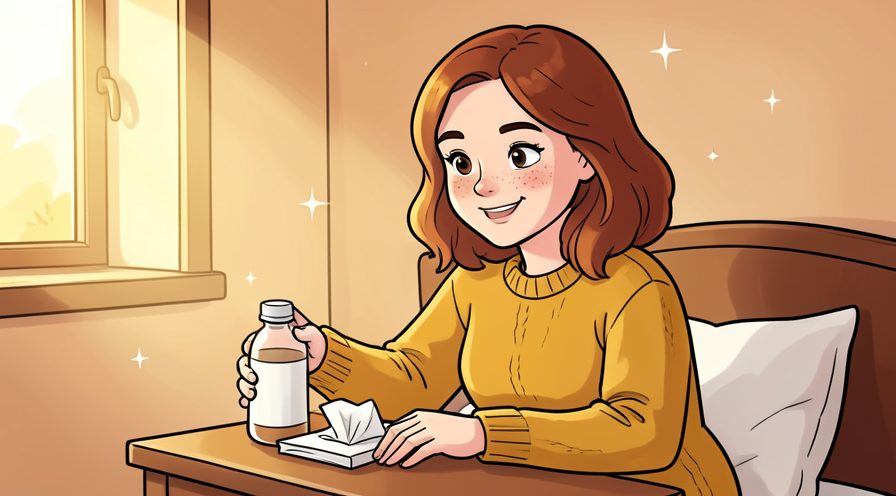
Step 22: Ease off late in the evening
Reducing large drinks before bed protects your sleep. Use a timer or a quick count rather than guessing, especially on your first few attempts.

Step 23: Use pale straw color as loose feedback
It is a rough guide rather than a rule to chase obsessively. When in doubt, pause and compare against the picture above before continuing.

Step 24: Watch for signs you are overdoing it
Headache and nausea after very large volumes mean slow down. Photograph or jot down the finished stage once, which gives you a reference for the next attempt.

Step 25: Plan for flights and long drives
Bring an empty bottle through security and fill it after. Keep the same order every time, since a fixed sequence is easier to repeat than a list of separate decisions.
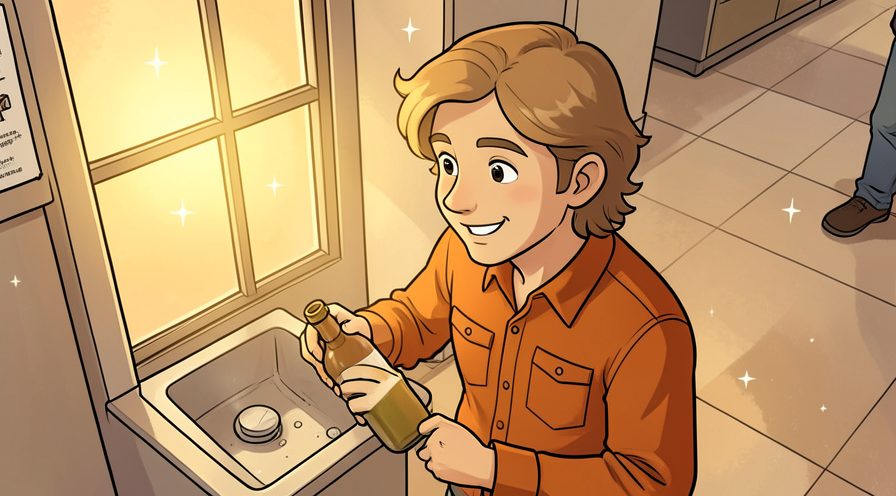
Step 26: Keep a spare bottle in the car or bag
A backup removes the excuse when the main one is empty. Let it settle for a moment before judging the result, since the first impression often changes.
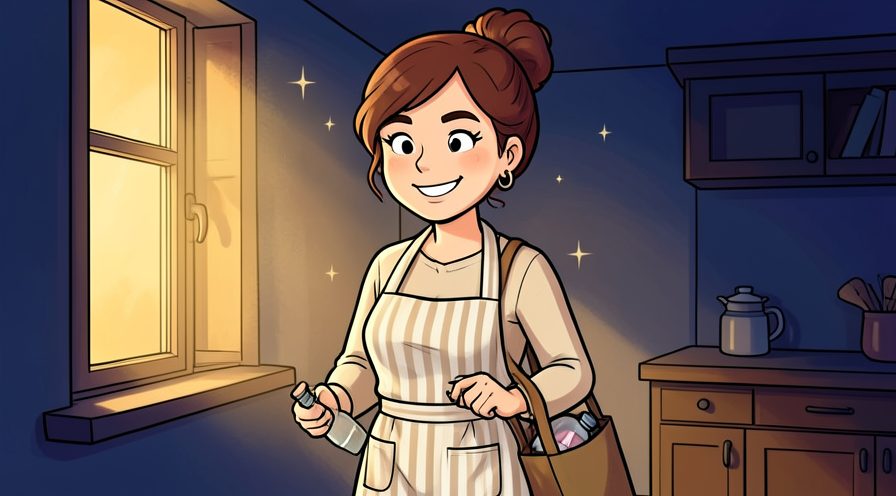
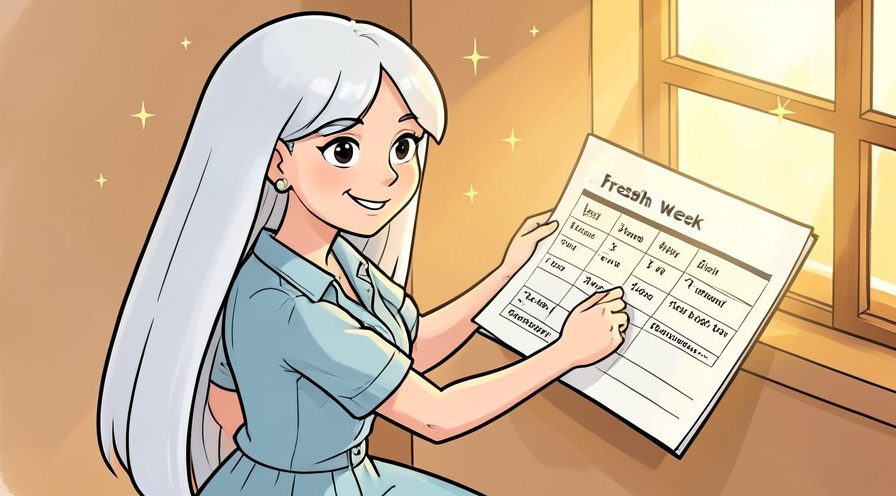
Step 27: Review the tick sheet once a week
Look for the day that consistently fails and attach a new cue there. A slightly imperfect result here is fine and can be corrected later; a rushed fix usually costs more time.
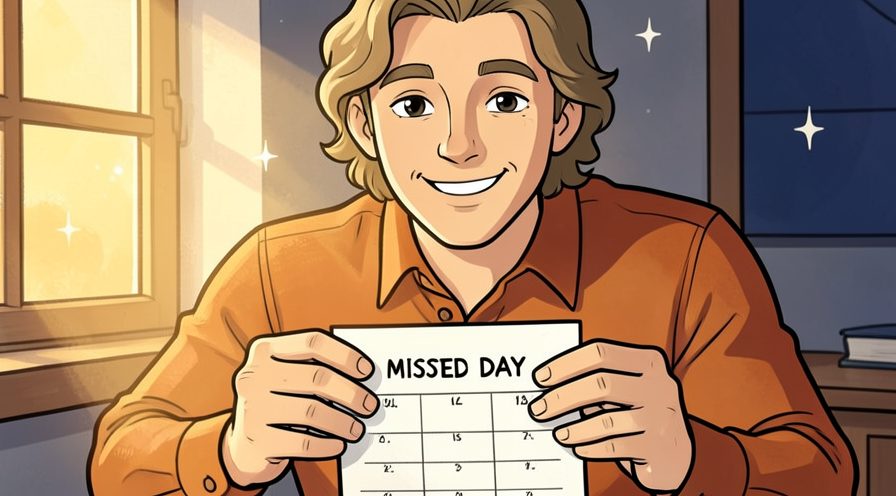
Step 28: Reset after a missed day without catching up
Simply return to the next cue instead of forcing extra volume. Check the edges and the parts you cannot see easily; those are where most beginners miss something.
Keep going: How to Sleep Better at Night uses the same illustrated format and is a good next read. More checklists live in the Health & Wellness category.
Tips
- A bottle with measurements makes progress visible without any app.
- If plain water feels boring, a slice of citrus or a splash of unsweetened tea changes it without adding sugar. For another walkthrough, see How to Start Running as a Beginner.
- Foods such as soup, fruit, and vegetables contribute fluid, so you do not need to drink every millilitre.
Warnings
- Do not force very large volumes in a short time, since that can dilute blood sodium dangerously. Official guidance: U.S. Centers for Disease Control and Prevention.
- If you have kidney, heart, or liver disease, or take a diuretic, ask a clinician what fluid target is right for you.
Frequently asked questions
How much water do I need? Thirst and urine color are practical guides for most healthy adults, and needs rise with heat and exercise.
Does coffee count? Partly, since moderate caffeinated drinks still contribute fluid.
Is a gallon a day necessary? No, many people need far less, and very high intakes are not automatically better.
References
- U.S. Centers for Disease Control and Prevention — sleep and sleep disorders. https://www.cdc.gov/sleep/
- NIH National Heart, Lung, and Blood Institute — sleep health. https://www.nhlbi.nih.gov/health/sleep
- National Sleep Foundation — sleep hygiene guidance. https://www.sleepfoundation.org/
- Mayo Clinic — healthy sleep habits. https://www.mayoclinic.org/healthy-lifestyle/adult-health/in-depth/sleep/art-20048379
- Sleep Research Society — sleep science. https://www.sleepresearchsociety.org/
Every guide is reviewed against its sources. See our editorial policy.


Reader comments
0 so farFinished this guide? Tell other readers what worked, what didn't, and what you would change.