The first week of running feels hard mostly because the cardiovascular system improves faster than tendons and bones. Going out fast three days in a row often ends with shin pain and a stopped habit. A run-walk structure keeps the effort low enough that you finish each session wanting to come back.
You will set up the basics, follow a four-week progression, and learn the small recovery checks that keep a new routine going.
How to use this guide
Work through the illustrated steps in order. Every step has its own picture, so you can check what a finished stage should look like before you move on. If you only have a minute, skim the Quick steps box above and come back for the details.
Related guides
- How to Drink More Water Every Day
- How to Improve Your Posture at a Desk
- How to Stretch Before Exercise
- How to Sleep Better at Night
- Browse all Health & Wellness guides
- All HowCompass guides
Trusted external resources
- U.S. Centers for Disease Control and Prevention — sleep and sleep disorders
- NIH National Heart, Lung, and Blood Institute — sleep health
- National Sleep Foundation — sleep hygiene guidance
A note on sources
We check each guide against the official resources listed in References at the end of this article. External links open in a new tab; the related guides above stay on this site.
Quick steps
- Get fitted shoes and pick a flat route you can repeat
- Alternate one minute of jogging with two minutes of walking
- Keep three sessions a week with a rest day between them
Things you'll need
- Well fitting running shoes
- Comfortable moisture wicking socks
- A phone or watch with a timer
- A flat loop route
- A water bottle
- A simple training log
Step-by-step
Method 1 of 2: Set Up a Safe First Month
Step 1: Check your starting point honestly
Note how far you can walk comfortably and use that as the baseline for week one. When in doubt, pause and compare against the picture above before continuing.

Step 2: Get fitted at a running shop
Try a few pairs and jog in place, choosing the pair that feels comfortable immediately. Read the label or the guidance for your running once before acting, since small differences matter here.

Step 3: Buy socks that do not bunch or hold sweat
Blisters end more beginner plans than fatigue does. A slightly imperfect result here is fine and can be corrected later; a rushed fix usually costs more time.

Step 4: Pick a flat repeatable loop
A route without hills or road crossings lets you focus on effort instead of traffic. Work in small passes and look at the result after each one, so a slip is easy to fix while it is still small.

Step 5: Choose three nonconsecutive days
Put a rest or easy walk day between every run while your legs adapt. Let it settle for a moment before judging the result, since the first impression often changes.
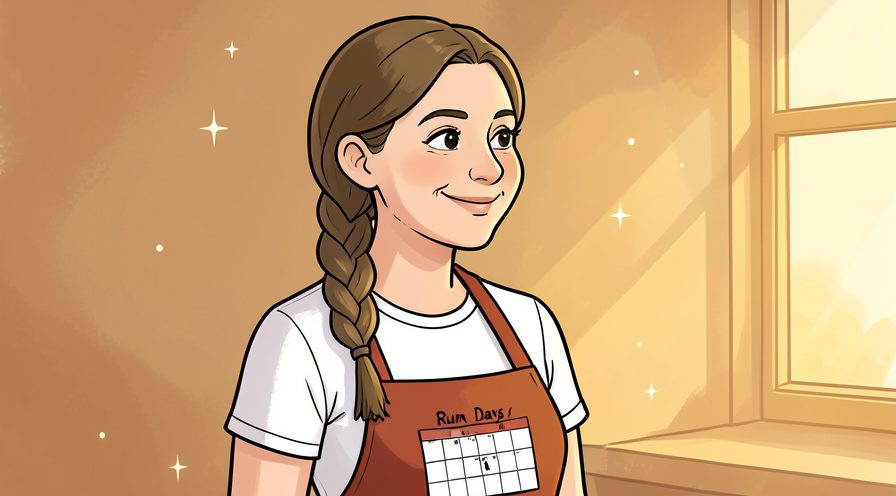
Step 6: Set a fixed time of day
A consistent slot turns the session into a habit rather than a daily decision. Choose the gentlest option that still works, then increase only if the result is not holding.

Step 7: Walk five minutes to warm up
Start every session with easy movement before any jogging. If conditions are different today, adjust one thing at a time and leave everything else unchanged.

Step 8: Learn the talk test
Jog only as fast as you can hold a short conversation, then slow down if you start gasping. Note what you changed, because the same adjustment usually applies the next time you work on your running.

Step 9: Start with one minute jogging and two walking
Repeat that cycle eight times and finish the session with a cool down walk. Use a timer or a quick count rather than guessing, especially on your first few attempts.

Step 10: Log duration rather than distance
Time on your feet is a safer measure than pace for the first month. Put the tools back in the same place afterward, so the next session starts without a search.
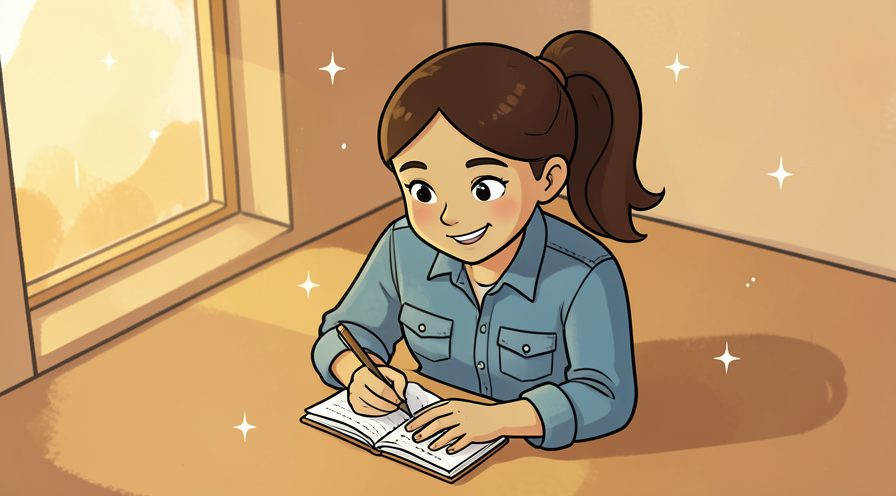
Step 11: Cool down with a slow five minute walk
Ending gradually avoids the light headed feeling that comes from stopping abruptly. Keep the same order every time, since a fixed sequence is easier to repeat than a list of separate decisions.

Step 12: Book the next three sessions now
Put them in the calendar so the routine survives one bad weather day. Repeat the same motion at a steady pace rather than varying it, which keeps the finish consistent.
Keep going: How to Improve Your Posture at a Desk uses the same illustrated format and is a good next read. More checklists live in the Health & Wellness category.
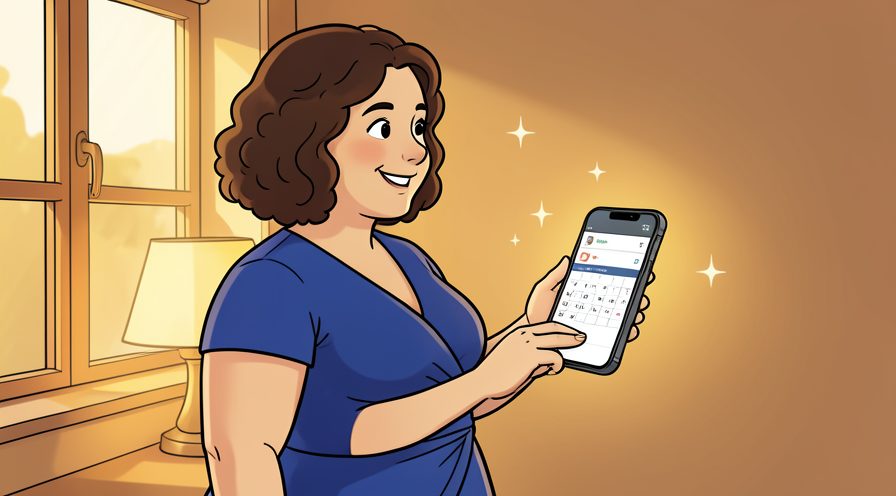
Method 2 of 2: Progress Without Getting Hurt
Step 13: Repeat week one twice if it feels hard
Staying at the same interval for another week is normal and prevents early setbacks. Photograph or jot down the finished stage once, which gives you a reference for the next attempt.
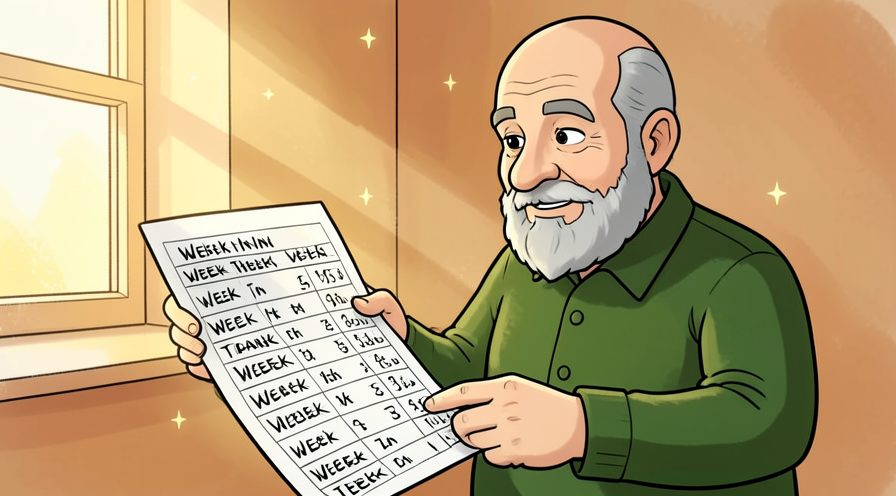
Step 14: Add thirty seconds of jogging per week
Increase only one variable at a time, so your legs can absorb the change. Check the edges and the parts you cannot see easily; those are where most beginners miss something.

Step 15: Keep at least two full rest days
Tissue adapts on the easy days, not during the run itself. Keep everything you might need within reach before starting, so you are not searching mid-step.
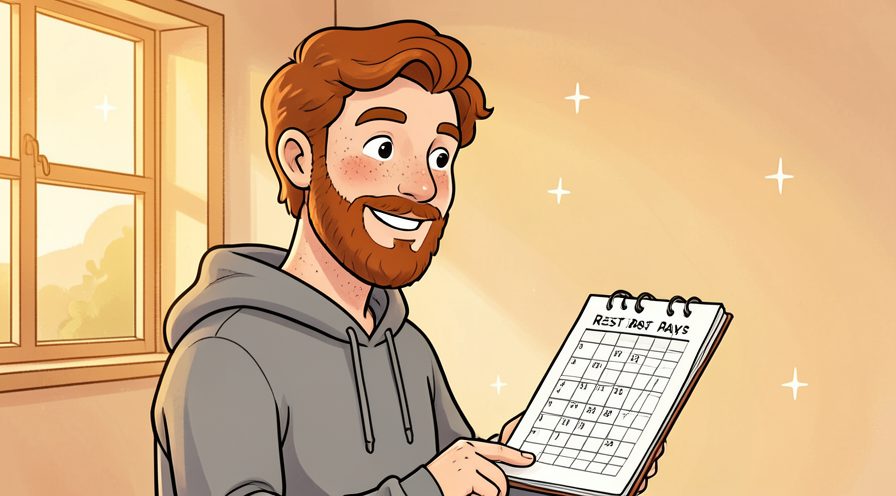
Step 16: Notice the difference between effort and pain
Dull tired muscles are fine, while sharp or one-sided pain means stop. Use a light touch first; pressure and extra material are much easier to add than to remove.

Step 17: Shorten the session at the first sign of a flare
Cutting a run by five minutes is cheaper than losing two weeks. Finish with a quick check of the whole area rather than only the part you just handled.

Step 18: Run on the flattest surface available
A track or smooth path is kinder than cambered roads and uneven grass. Give this stage a couple of minutes before moving on, because rushing here is the usual reason your running ends up uneven.

Step 19: Increase weekly time by no more than about ten percent
Small jumps keep the injury risk far lower than a big jump after one good week. If you are unsure, do less than you think you need and check again; you can always repeat the step.
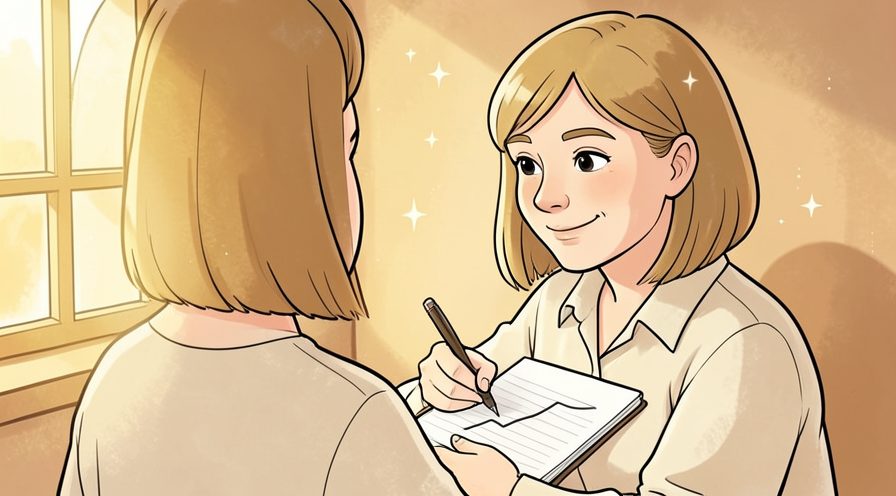
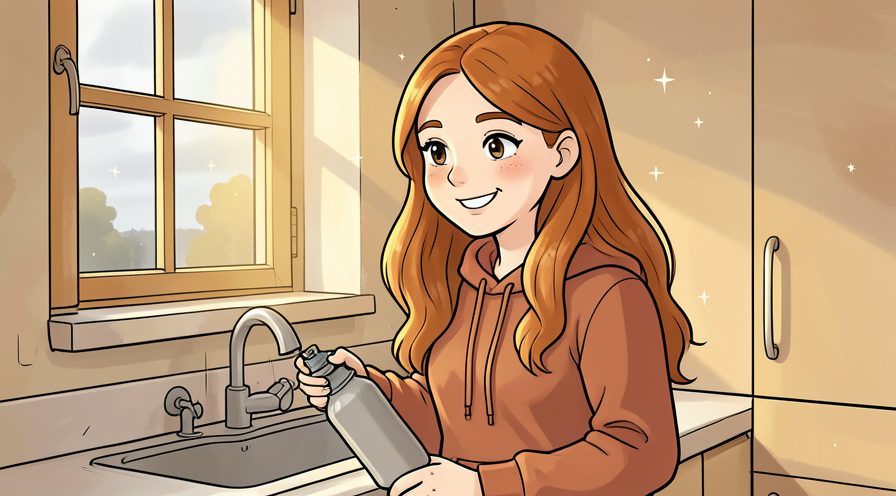
Step 20: Drink water before you leave on warm days
Short beginner sessions rarely need mid-run fluids if you start hydrated. Stop and tidy up as soon as this part is done, so the next stage starts from a clear surface.

Step 21: Stretch gently after the cool down
Focus on calves and hips with easy static holds once muscles are warm. Use a light touch first; pressure and extra material are much easier to add than to remove.

Step 22: Replace shoes when the cushioning feels flat
Worn midsoles change your stride long before the uppers look old. Choose the gentlest option that still works, then increase only if the result is not holding.

Step 23: Celebrate a non-scale milestone
Running ten minutes continuously or finishing four weeks in a row both count. Note what you changed, because the same adjustment usually applies the next time you work on your running.

Step 24: Plan the next four weeks before the first ends
A visible next step keeps the habit going after the beginner phase. A slightly imperfect result here is fine and can be corrected later; a rushed fix usually costs more time.
Keep going: How to Stretch Before Exercise uses the same illustrated format and is a good next read. More checklists live in the Health & Wellness category.
Tips
- If you cannot say a full sentence while jogging, slow down until you can, because that is the pace that builds endurance.
- Keep the first route identical for a month, so improvements in time are real rather than a change in hills. For another walkthrough, see How to Drink More Water Every Day.
- Warm up with a five minute walk instead of stretching cold muscles.
Warnings
- Stop for sharp or one-sided pain and rest rather than pushing through, since stress injuries worsen quickly in the first weeks. Official guidance: U.S. Centers for Disease Control and Prevention.
- Check with a clinician before starting if you have a heart, joint, or breathing condition.
Frequently asked questions
How many days a week should a beginner run? Three nonconsecutive days is plenty, with walking or rest between sessions.
How long until I can run thirty minutes straight? Most run-walk plans reach it in six to eight weeks, and going slower usually gets you there faster.
Do I need special shoes? You need shoes that fit comfortably and suit your gait, not the most expensive model.
References
- U.S. Centers for Disease Control and Prevention — sleep and sleep disorders. https://www.cdc.gov/sleep/
- NIH National Heart, Lung, and Blood Institute — sleep health. https://www.nhlbi.nih.gov/health/sleep
- National Sleep Foundation — sleep hygiene guidance. https://www.sleepfoundation.org/
- Mayo Clinic — healthy sleep habits. https://www.mayoclinic.org/healthy-lifestyle/adult-health/in-depth/sleep/art-20048379
- Sleep Research Society — sleep science. https://www.sleepresearchsociety.org/
Every guide is reviewed against its sources. See our editorial policy.


Reader comments
0 so farFinished this guide? Tell other readers what worked, what didn't, and what you would change.