This is a practical walkthrough of rotect Your Privacy in a Browser, written for someone doing it for the first time. Every step has its own illustration and one concrete sentence about why that stage matters.
How to use this guide
Work through the illustrated steps in order. Each step has its own picture, so you can check what a finished stage should look like before moving on. If you are short on time, skim the Quick steps box first.
What the pictures show
Every illustration depicts one real action from the step above it, drawn in the same warm 2D style so the sequence is easy to follow from top to bottom.
Trusted external resources
- Microsoft Support — Windows help and troubleshooting
- Microsoft Learn — Windows documentation
- Microsoft Windows — official product guidance
Related guides on this site
- How to Take a Screenshot on Windows and Mac
- How to Organize Browser Tabs and Bookmarks
- How to Export Your Data from an App
- How to Speed Up a Slow Windows PC
- Browse all Technology guides
- All HowCompass guides
Who this guide is for
This walkthrough assumes you have never tried rotect your privacy in a browser before. If you already know the basics, jump to the later method for the checks and fixes that keep the result consistent.
A short recap
Set up properly, work in small passes, check once in daylight, and put everything away. That is the whole of your browser — the pictures above simply show what each of those four stages looks like in practice.
Quick steps
- Choose the simplest option for a saved checklist
- Follow the same order every time with an extension list
- Gather the details about a note about your browser
- Replace a vague note in a saved checklist with a specific one
- Set a review date for the privacy settings
Things you'll need
- the privacy settings
- an extension list
- a password manager
- a notebook for settings
- a spare cable
Step-by-step
Method 1 of 2: Make your browser Look Consistent
Step 1: Choose the simplest option for a saved checklist
A calm first pass sets the tone for the whole session with your browser. Begin with less than you think you need; you can always add more to your browser.
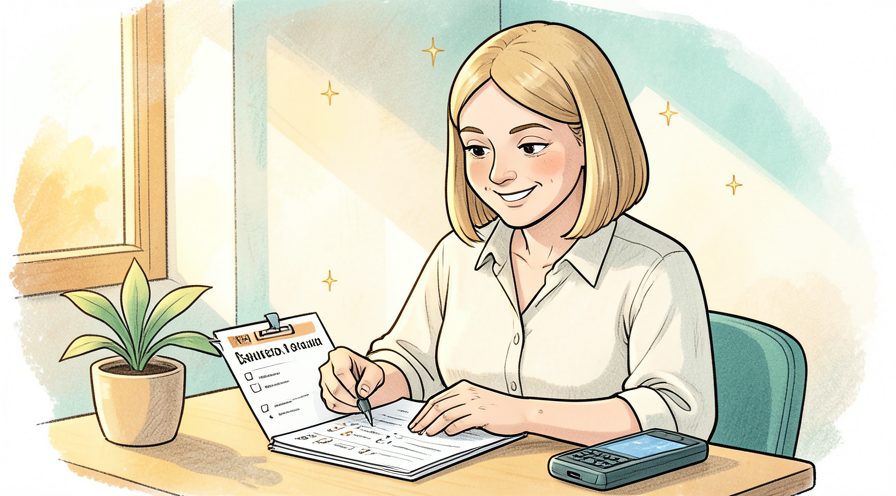
Step 2: Write down what you want from a password manager
A quick dry run with no material shows you where your hands will need to go for your browser. Note the starting condition so you can tell whether the change to your browser actually helped.
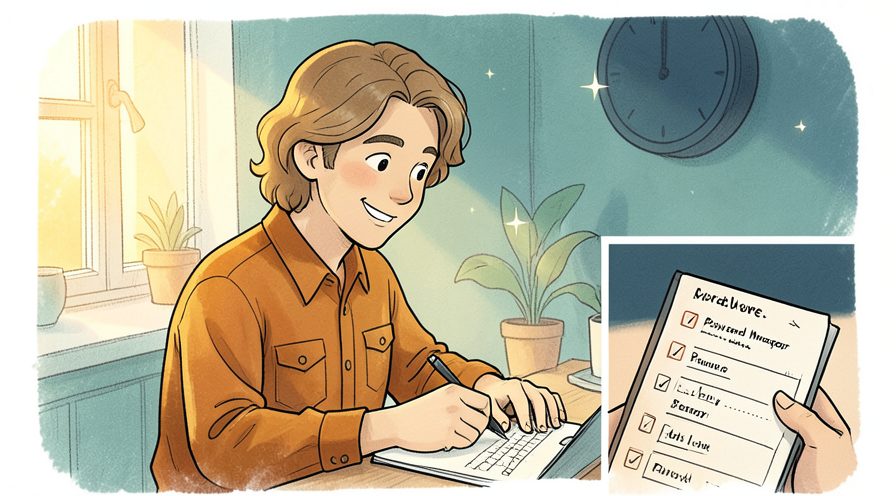
Step 3: Set aside a quiet ten minutes for the privacy settings
Check the condition of your tools now, while fixing a problem with your browser is still easy. Note the starting condition so you can tell whether the change to your browser actually helped.

Step 4: Save your progress on a saved checklist after each change
Pause when the result starts to look right; overshooting is the common error with your browser. Small repeated movements give a far more even result on your browser than one big push.
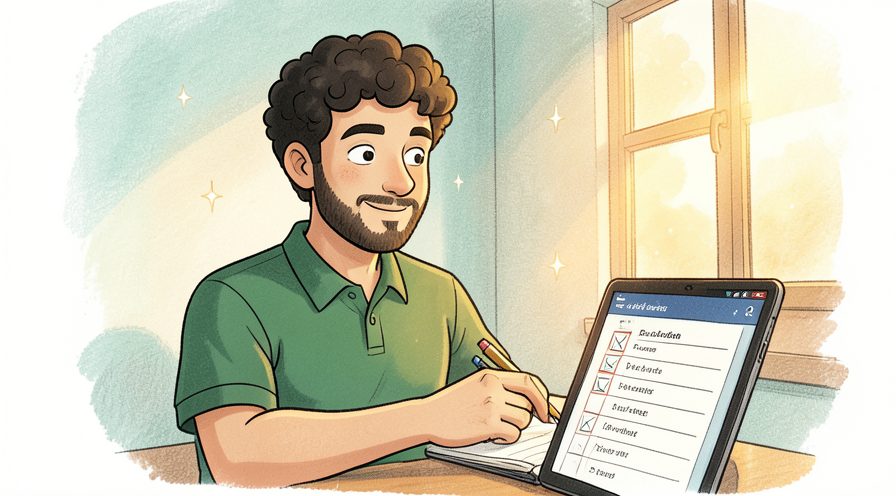
Step 5: Group related items within the privacy settings
Keep your eyes on the part you are working on, not the finished idea of your browser. Check the clock rather than guessing; timing is the usual hidden variable in your browser.

Step 6: Follow the same order every time with an extension list
A light touch first is safer, because extra pressure is easy to add to your browser. Move slowly through corners and edges, which is where work on your browser usually goes wrong.

Step 7: Ask whether a password manager still matches the goal
If two checks disagree, trust the slower one when working on your browser. A quick comparison with the picture above keeps your browser on track.

Step 8: Look for one inconsistent entry in an extension list
Stop checking once the result is good enough; overworking your browser is its own mistake. Stop as soon as the result looks right; extra work often makes it worse.

Step 9: Note what changed in a password manager
Mark the spot rather than trusting memory when something about your browser seems off. If two checks disagree, trust the slower one when working on your browser.

Step 10: Share the finished the privacy settings if needed
Close the loop with a quick check that nothing has been left out of your browser. Repeat the same motion at a steady speed for a more even finish.
Keep going: How to Organize Browser Tabs and Bookmarks uses the same illustrated format. More checklists are in the Technology category.

Method 2 of 2: Do your browser with What You Already Have
Step 11: Gather the details about a note about your browser
Work at a comfortable height, because leaning over your browser makes every movement less precise. Put anything fragile to one side before the main work on your browser begins.

Step 12: Clear anything outdated from a password manager
Note the starting condition so you can tell whether the change to your browser actually helped. Keep the instructions in sight, because the first attempt at your browser is mostly about sequence.
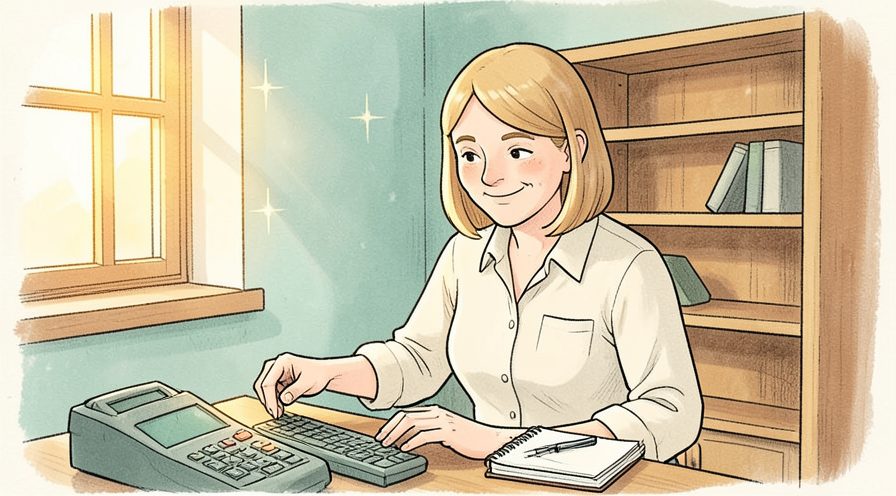
Step 13: Keep the wording of an extension list short
Change one thing at a time, otherwise you will not know what fixed your browser. Pause when the result starts to look right; overshooting is the common error with your browser.

Step 14: Keep a written record of the privacy settings
Keep your eyes on the part you are working on, not the finished idea of your browser. Change one thing at a time, otherwise you will not know what fixed your browser.
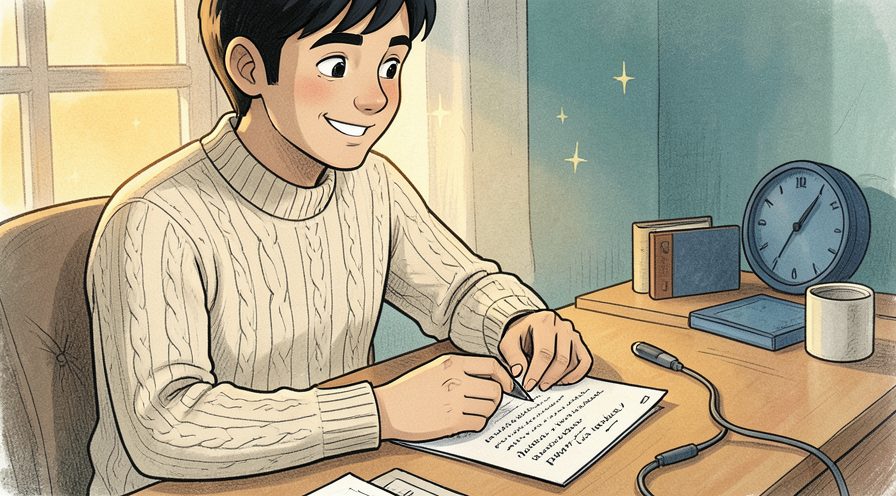
Step 15: Move the older entries out of a password manager
Take a breath between passes so your hands stay steady on your browser. A light touch first is safer, because extra pressure is easy to add to your browser.

Step 16: Pause and reread an extension list halfway
Take a breath between passes so your hands stay steady on your browser. Keep your eyes on the part you are working on, not the finished idea of your browser.
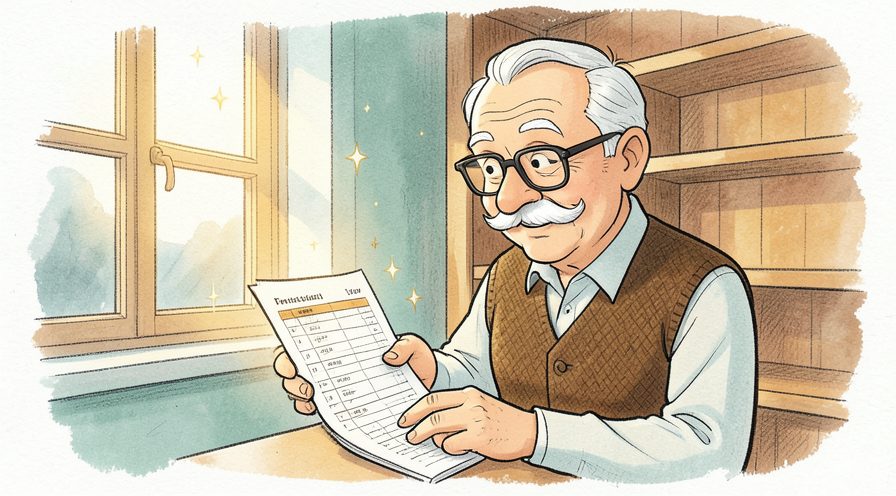
Step 17: Replace a vague note in a saved checklist with a specific one
Keep your eyes on the part you are working on, not the finished idea of your browser. Write down one thing that surprised you; it is usually the useful part.

Step 18: Mark anything unclear about a password manager
Stop checking once the result is good enough; overworking your browser is its own mistake. Use a timer instead of guessing, especially on your first attempt.

Step 19: Test an extension list once more before moving on
Give it a moment to settle, since the first impression of your browser often changes. Do not fix a cosmetic detail until the main structure of your browser is sound.

Step 20: Write one line about the privacy settings in your notes
Write down the one thing you would do differently with your browser next time. Clean the tools before anything dries on them, or the next session with your browser starts badly.
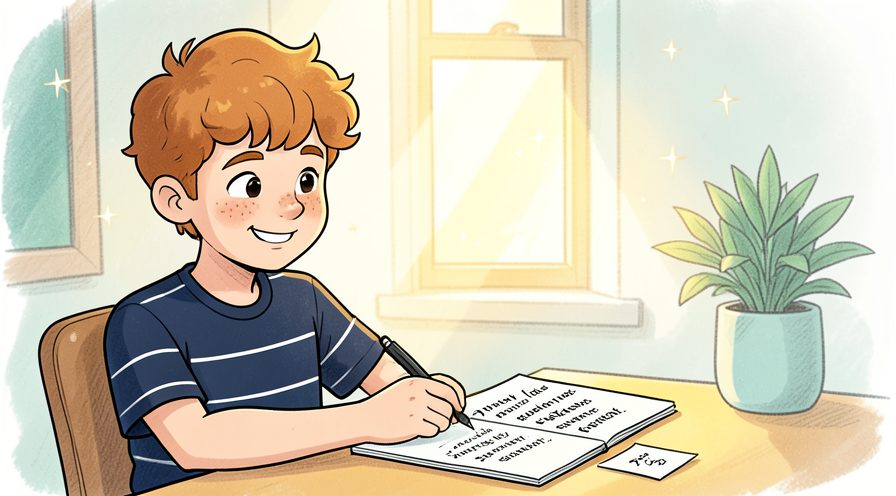
Step 21: Label the final version of an extension list
Tidy the surrounding area as well, because a clear finish makes your browser feel complete. Note the date so you can tell how long the result with your browser really lasted.

Step 22: Set a review date for the privacy settings
Note the date so you can tell how long the result with your browser really lasted. Close the loop with a quick check that nothing has been left out of your browser.
Keep going: How to Export Your Data from an App uses the same illustrated format. More checklists are in the Technology category.

Tips
- Stop as soon as the result looks right; extra work often makes it worse.
- Check the parts you cannot see easily, not just the front. For another walkthrough, see How to Take a Screenshot on Windows and Mac.
- Keep the finished result somewhere you will see it, which makes the next attempt easier.
- Work in daylight when you can, since small differences are easier to see.
- Use a timer instead of guessing, especially on your first attempt.
Warnings
- Check that the area is stable and dry before you begin. Official guidance: Microsoft Support.
- If a result looks wrong after two attempts, take a break rather than repeating blindly.
Frequently asked questions
How do I keep your browser consistent between attempts?
Follow the same order, use the same timer, and keep the one-line note the final step recommends.
Where can I check the official guidance on rotect Your Privacy in a Browser?
The References section at the end links to the authoritative sources used to check this guide, and the trusted resources block links three of them directly.
Can a complete beginner do rotect Your Privacy in a Browser?
Yes. Every method starts from zero and the pictures show what each finished stage of your browser should look like.
Do I need special equipment for rotect Your Privacy in a Browser?
No. The supplies list sticks to ordinary household items, and each step says what you can substitute for your browser.
References
- Microsoft Support — Windows help and troubleshooting. https://support.microsoft.com/en-us/windows
- Microsoft Learn — Windows documentation. https://learn.microsoft.com/en-us/windows/
- Microsoft Windows — official product guidance. https://www.microsoft.com/en-us/windows/
- NIST — cybersecurity fundamentals. https://www.nist.gov/
- CISA — cyber hygiene for home users. https://www.cisa.gov/
Every guide is reviewed against its sources. See our editorial policy.


Reader comments
0 so farFinished this guide? Tell other readers what worked, what didn't, and what you would change.