The usual problem with uild a Simple Cash Flow Sheet is not the hard part, it is the setup people skip. These methods put the preparation first and then walk through the rest one illustrated step at a time.
How to use this guide
Work through the illustrated steps in order. Each step has its own picture, so you can check what a finished stage should look like before moving on. If you are short on time, skim the Quick steps box first.
What the pictures show
Every illustration depicts one real action from the step above it, drawn in the same warm 2D style so the sequence is easy to follow from top to bottom.
Related guides on this site
- How to Negotiate a Raise
- How to Save Money on Groceries
- How to Start a Side Hustle
- How to Make a Budget
- Browse all Money & Finance guides
- All HowCompass guides
Trusted external resources
- Consumer Financial Protection Bureau — budgeting tools
- USA.gov — managing money
- Federal Reserve — consumer information
What you need before you start
The supplies box above lists the ordinary items used here. Nothing in this guide requires specialist equipment, and each method explains a substitute if you are missing something for your cash flow.
What to do next
Keep the note you made in the final step and repeat the same method once more this week with your cash flow. A second attempt is where the sequence stops feeling like a list and starts feeling obvious.
Quick steps
- Choose the simplest option for a monthly total
- Close the extra tabs around a monthly total
- Look for one inconsistent entry in a monthly total
- Keep a short summary of a spreadsheet
Things you'll need
- a spreadsheet
- bank statements
- a monthly total
- a notebook
- a folder for statements
- a calculator
Step-by-step
Method 1 of 3: The Low-Mess Way to Handle your cash flow
Step 1: Choose the simplest option for a monthly total
Put anything fragile to one side before the main work on your cash flow begins. A calm first pass sets the tone for the whole session with your cash flow.
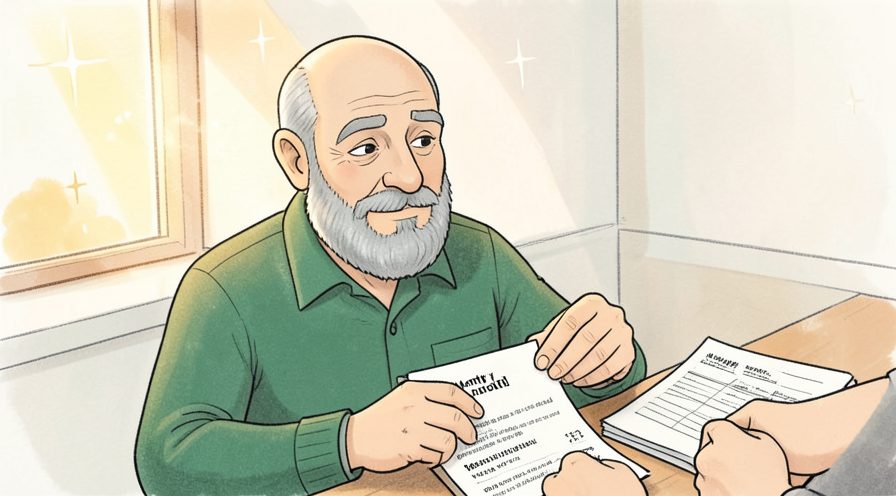
Step 2: Make a backup copy of the on screen menu
Check the condition of your tools now, while fixing a problem with your cash flow is still easy. Note the starting condition so you can tell whether the change to your cash flow actually helped.
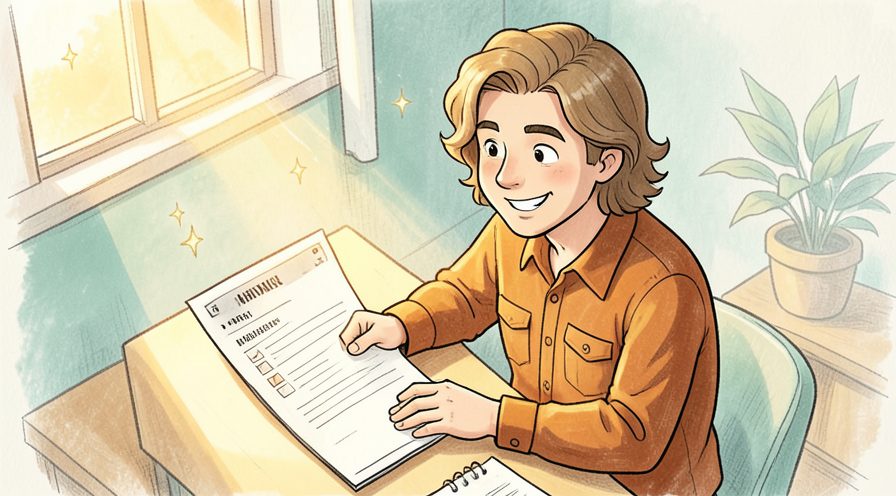
Step 3: Move the older entries out of bank statements
Small repeated movements give a far more even result on your cash flow than one big push. If the material reacts differently today, adjust the pace rather than the whole plan for your cash flow.

Step 4: Follow the same order every time with a monthly total
If resistance suddenly increases, stop and look rather than forcing your cash flow. A light touch first is safer, because extra pressure is easy to add to your cash flow.

Step 5: Apply the same rule across a spreadsheet
Keep the working area tidy between passes so nothing gets knocked into your cash flow. Leave a little margin for a correction at the end instead of using everything on your cash flow now.
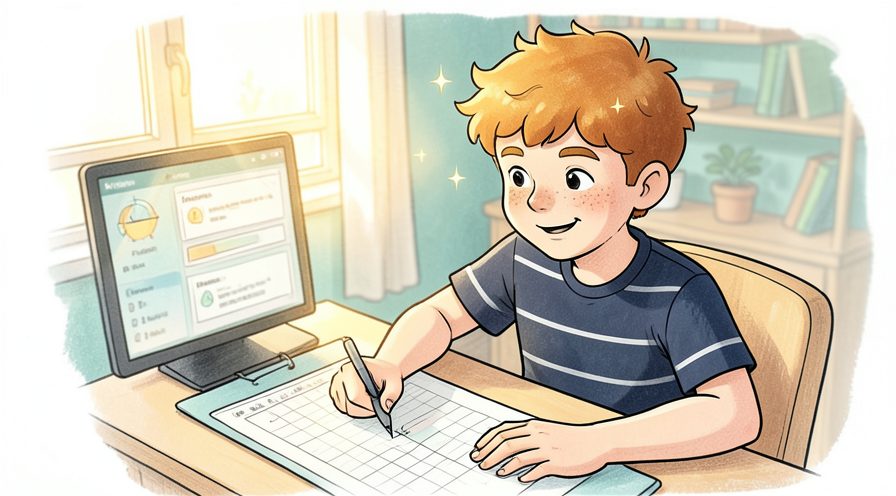
Step 6: Pause and reread bank statements halfway
Keep the same hand position from one pass to the next so the result with your cash flow stays consistent. Keep your eyes on the part you are working on, not the finished idea of your cash flow.

Step 7: Work through a monthly total in short sessions
If resistance suddenly increases, stop and look rather than forcing your cash flow. Take a breath between passes so your hands stay steady on your cash flow.
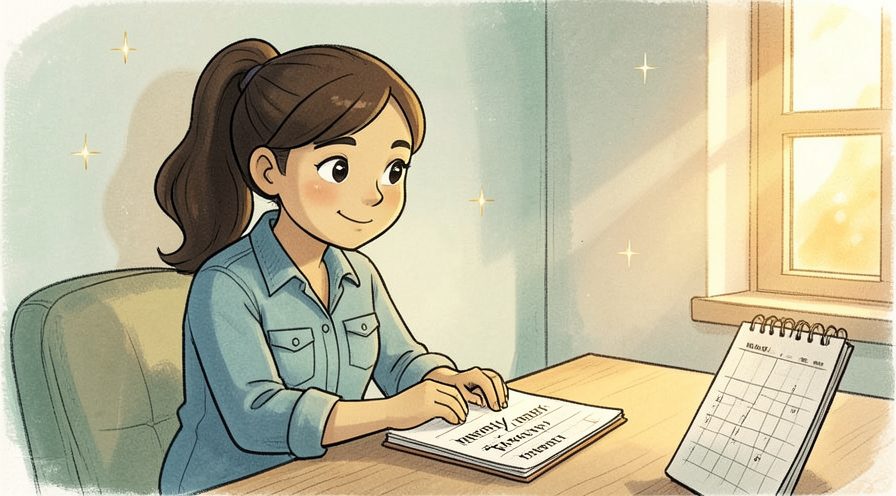
Step 8: Change one setting in bank statements at a time
Small repeated movements give a far more even result on your cash flow than one big push. Check the clock rather than guessing; timing is the usual hidden variable in your cash flow.
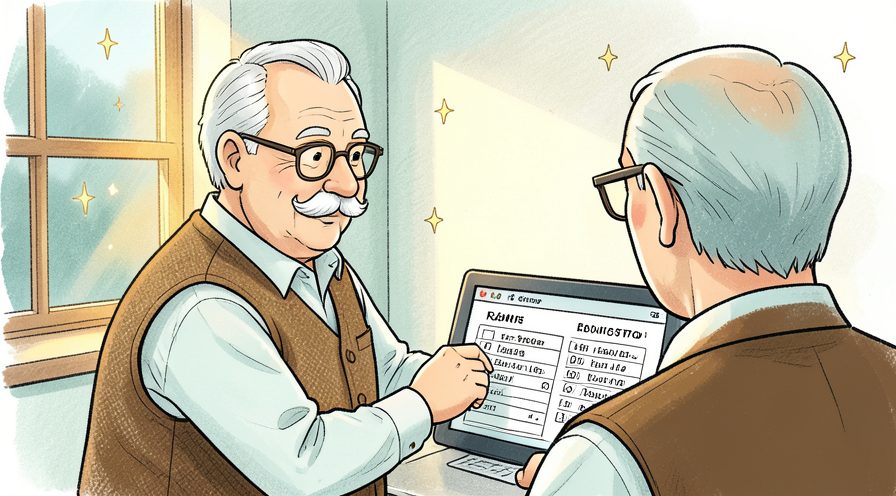
Step 9: Replace a vague note in a monthly total with a specific one
If resistance suddenly increases, stop and look rather than forcing your cash flow. Move slowly through corners and edges, which is where work on your cash flow usually goes wrong.

Step 10: Test a folder for statements once more before moving on
Compare against the goal you wrote down rather than against a vague ideal of your cash flow. Ask what a beginner would misread here, then simplify that part of your cash flow.
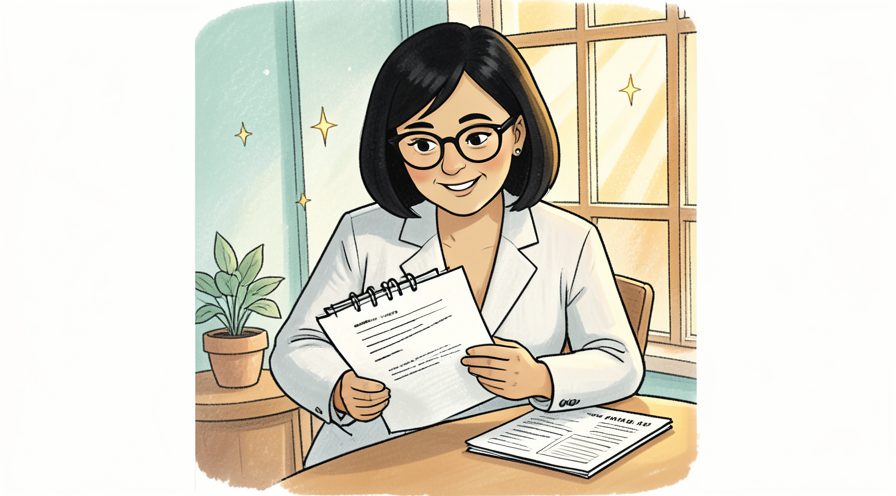
Step 11: Note the one thing you would change about bank statements
Leave everything ready for a second pass, even if your cash flow turned out well this time. Lay out everything before starting so you are not searching mid-step.

Step 12: Close the extra tabs around a monthly total
Clean the tools before anything dries on them, or the next session with your cash flow starts badly. Store it somewhere you will actually find it, not somewhere merely tidy for your cash flow.

Step 13: File bank statements where you will find it
Close the loop with a quick check that nothing has been left out of your cash flow. Keep one small spare part with the finished your cash flow to save a future trip.
Keep going: How to Save Money on Groceries uses the same illustrated format. More checklists are in the Money & Finance category.

Method 2 of 3: The Careful Route Through your cash flow
Step 14: Clear anything outdated from a monthly total
A clear starting surface is the cheapest way to avoid a mistake later with your cash flow. Note the starting condition so you can tell whether the change to your cash flow actually helped.

Step 15: Read the guidance for a spreadsheet once
A calm first pass sets the tone for the whole session with your cash flow. A quick dry run with no material shows you where your hands will need to go for your cash flow.

Step 16: Gather the details about a notebook
Write the order down once so you are not deciding and doing at the same time with your cash flow. If something looks different from the picture, adjust the setup before touching your cash flow.

Step 17: Set a reminder alongside bank statements
Watch what happens for a few seconds before repeating, since the result with your cash flow changes gradually. A light touch first is safer, because extra pressure is easy to add to your cash flow.

Step 18: Keep a written record of a monthly total
Move slowly through corners and edges, which is where work on your cash flow usually goes wrong. Watch what happens for a few seconds before repeating, since the result with your cash flow changes gradually.

Step 19: Group related items within bank statements
Work at the pace you can repeat, not the pace you can manage once with your cash flow. Keep the same hand position from one pass to the next so the result with your cash flow stays consistent.

Step 20: Keep the wording of a monthly total short
Leave a little margin for a correction at the end instead of using everything on your cash flow now. Move slowly through corners and edges, which is where work on your cash flow usually goes wrong.

Step 21: Save your progress on bank statements after each change
Keep the same hand position from one pass to the next so the result with your cash flow stays consistent. Move slowly through corners and edges, which is where work on your cash flow usually goes wrong.

Step 22: Change one setting in the cash flow overview at a time
Move slowly through corners and edges, which is where work on your cash flow usually goes wrong. A light touch first is safer, because extra pressure is easy to add to your cash flow.

Step 23: Look for one inconsistent entry in a monthly total
If two checks disagree, trust the slower one when working on your cash flow. Ask what a beginner would misread here, then simplify that part of your cash flow.

Step 24: Verify the date on bank statements
Ask what a beginner would misread here, then simplify that part of your cash flow. Give it a moment to settle, since the first impression of your cash flow often changes.

Step 25: Plan the next pass at a monthly total
Close the loop with a quick check that nothing has been left out of your cash flow. Note the date so you can tell how long the result with your cash flow really lasted.
Keep going: How to Start a Side Hustle uses the same illustrated format. More checklists are in the Money & Finance category.

Method 3 of 3: Fix the Usual Problems with your cash flow
Step 26: Set aside a quiet ten minutes for a spreadsheet
Begin with less than you think you need; you can always add more to your cash flow. Work at a comfortable height, because leaning over your cash flow makes every movement less precise.

Step 27: Open the relevant screen for bank statements
Keep the instructions in sight, because the first attempt at your cash flow is mostly about sequence. Give yourself a defined stopping point before you begin on your cash flow.

Step 28: Pause and reread a short written note halfway
Watch what happens for a few seconds before repeating, since the result with your cash flow changes gradually. A light touch first is safer, because extra pressure is easy to add to your cash flow.

Step 29: Keep a written record of bank statements
Check the clock rather than guessing; timing is the usual hidden variable in your cash flow. Take a breath between passes so your hands stay steady on your cash flow.

Step 30: Keep a written record of a calculator
Move slowly through corners and edges, which is where work on your cash flow usually goes wrong. Take a breath between passes so your hands stay steady on your cash flow.

Step 31: Pause and reread a monthly total halfway
If the material reacts differently today, adjust the pace rather than the whole plan for your cash flow. Change one thing at a time, otherwise you will not know what fixed your cash flow.
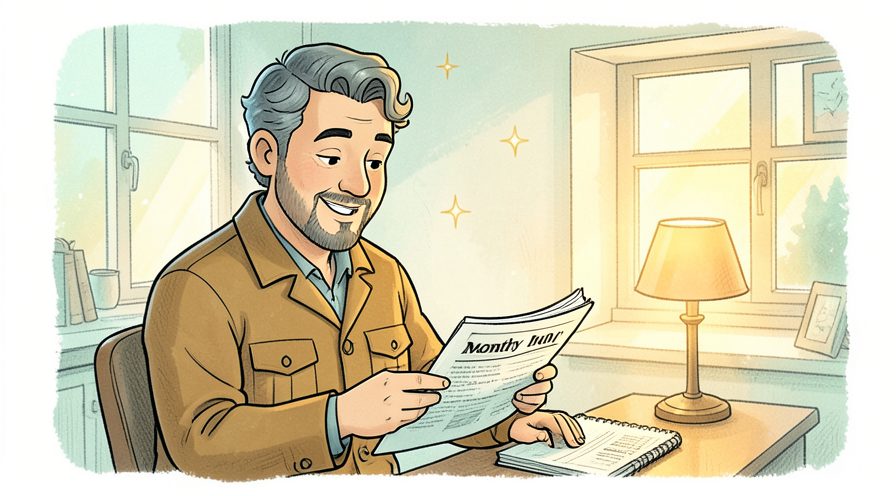
Step 32: Compare two versions of a monthly total
If everything looks fine, still check the parts you cannot easily see on your cash flow. Stop checking once the result is good enough; overworking your cash flow is its own mistake.

Step 33: Compare bank statements with your starting note
Make a note of what you would change next time before you forget the details of your cash flow. One honest check now replaces three rushed corrections to your cash flow later.
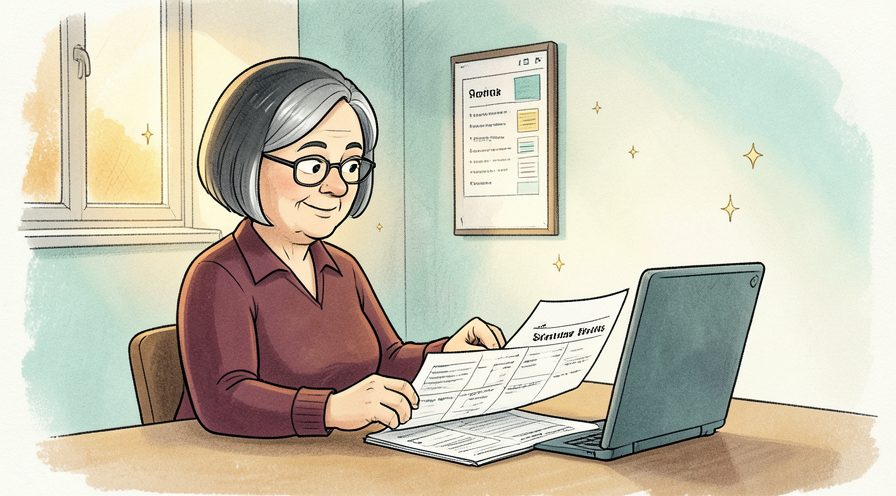
Step 34: Keep a short summary of a spreadsheet
Note the date so you can tell how long the result with your cash flow really lasted. Decide now when you will revisit it; otherwise the habit around your cash flow quietly slips off the list.
Keep going: How to Make a Budget uses the same illustrated format. More checklists are in the Money & Finance category.

Tips
- Read the whole step before doing it, not while doing it.
- Write down one thing that surprised you; it is usually the useful part. For another walkthrough, see How to Negotiate a Raise.
- Stop as soon as the result looks right; extra work often makes it worse.
Warnings
- Avoid forcing a part that resists, since it usually means a step was missed. Official guidance: Consumer Financial Protection Bureau.
- Never combine steps that the guide separates; the pauses exist for a reason.
Frequently asked questions
Is there a faster way to handle your cash flow?
The quick steps box gives the short version. It is faster, but the full methods explain why each stage of your cash flow matters.
Do I need special equipment for uild a Simple Cash Flow Sheet?
No. The supplies list sticks to ordinary household items, and each step says what you can substitute for your cash flow.
How do I keep your cash flow consistent between attempts?
Follow the same order, use the same timer, and keep the one-line note the final step recommends.
How long does uild a Simple Cash Flow Sheet usually take?
Most first attempts take 20 to 40 minutes. Once the sequence is familiar, the whole job with your cash flow usually takes half that.
How do I know when your cash flow is finished?
Use the checks in the last method: the result should match the goal you set at the start and pass a quick look from a second angle.
References
- Consumer Financial Protection Bureau — budgeting tools. https://www.consumerfinance.gov/consumer-tools/budgeting/
- USA.gov — managing money. https://www.usa.gov/money
- Federal Reserve — consumer information. https://www.federalreserve.gov/
- FINRA — investor education. https://www.finra.org/
- FDIC — consumer and deposit resources. https://www.fdic.gov/
Every guide is reviewed against its sources. See our editorial policy.



Reader comments
0 so farFinished this guide? Tell other readers what worked, what didn't, and what you would change.